









The Rise of Virtual Fashion: Dressing Your Digital Avatar in Style
Fashion has consistently been a fundamental aspect of self-expression, developing in tandem with changes in culture and advancements in technology. Now, virtual fashion has become its new domain. Virtual fashion is changing the way people engage in digital environments, especially in the United States, by allowing them to outfit digital avatars in creative and exclusive styles. As the metaverse grows in popularity, metaverse clothing and virtual garments are becoming crucial for expressing identity and creativity in digital spaces.
What is Virtual Fashion?
Virtual fashion is a new way of approaching clothing that signifies a significant change in our mindset. This fashion is different from traditional clothing because it is made in the digital realm using complex 3D software. These virtual clothes are worn by avatars to enhance their appearance on social media or in virtual worlds like the metaverse, games, and AR apps.
The beauty of virtual fashion lies in its limitless creativity. Designers are no longer constrained by the physical laws of fabric, tailoring, or manufacturing. This has given rise to bold, avant-garde designs that push the boundaries of imagination. For instance, digital-only fashion house DRESSX offers collections that users can “wear” in their online presence, creating stunning visuals for photos or avatars. Similarly, Tribute Brand specializes in futuristic garments that merge fashion with cutting-edge technology.
In addition to creativity, virtual fashion also fulfills consumers’ increasing need for self-expression in digital environments. By customizing avatars with personalized, extravagant clothing, individuals can differentiate themselves in the busy digital world, expressing their personalities in ways that are rarely achievable with physical attire.
The Role of Digital Avatars in Virtual Fashion
Digital avatars have become central to this fashion, serving as visual representations of users in online worlds. Whether in social platforms, video games, or the metaverse, avatars are no longer generic figures; they are extensions of personal identity, enabling individuals to communicate who they are through virtual clothing.
Gaming platforms such as Fortnite and Roblox have adopted this trend by providing a wide range of customization choices for digital avatars. Gamers have the option to buy unique clothing, jewelry, and skins to improve the look of their avatars. This pattern has led to a flourishing economy, where individuals are investing actual money to purchase digital apparel. For example, Roblox has a vast array of virtual clothing designs made by players, establishing itself as a central place for customizing avatars and expressing oneself in the virtual world.
In the broader metaverse, avatars play an even more significant role. As immersive digital environments continue to grow, avatars are no longer just a fun element—they are a means of social interaction, status signaling, and community building. Metaverse clothing becomes an important tool for individuals to express their style and differentiate themselves. Luxury brands have taken notice, creating high-end digital collections for avatars, which allow users to flaunt their fashion sense in exclusive virtual spaces.
Avatars, therefore, are the canvas for virtual fashion’s artistry, and as digital environments become increasingly sophisticated, the demand for innovative virtual clothing will only rise.
Technologies Driving Virtual Fashion
The rapid evolution of virtual fashion is underpinned by a suite of groundbreaking technologies, including AR, VR, AI, and blockchain.
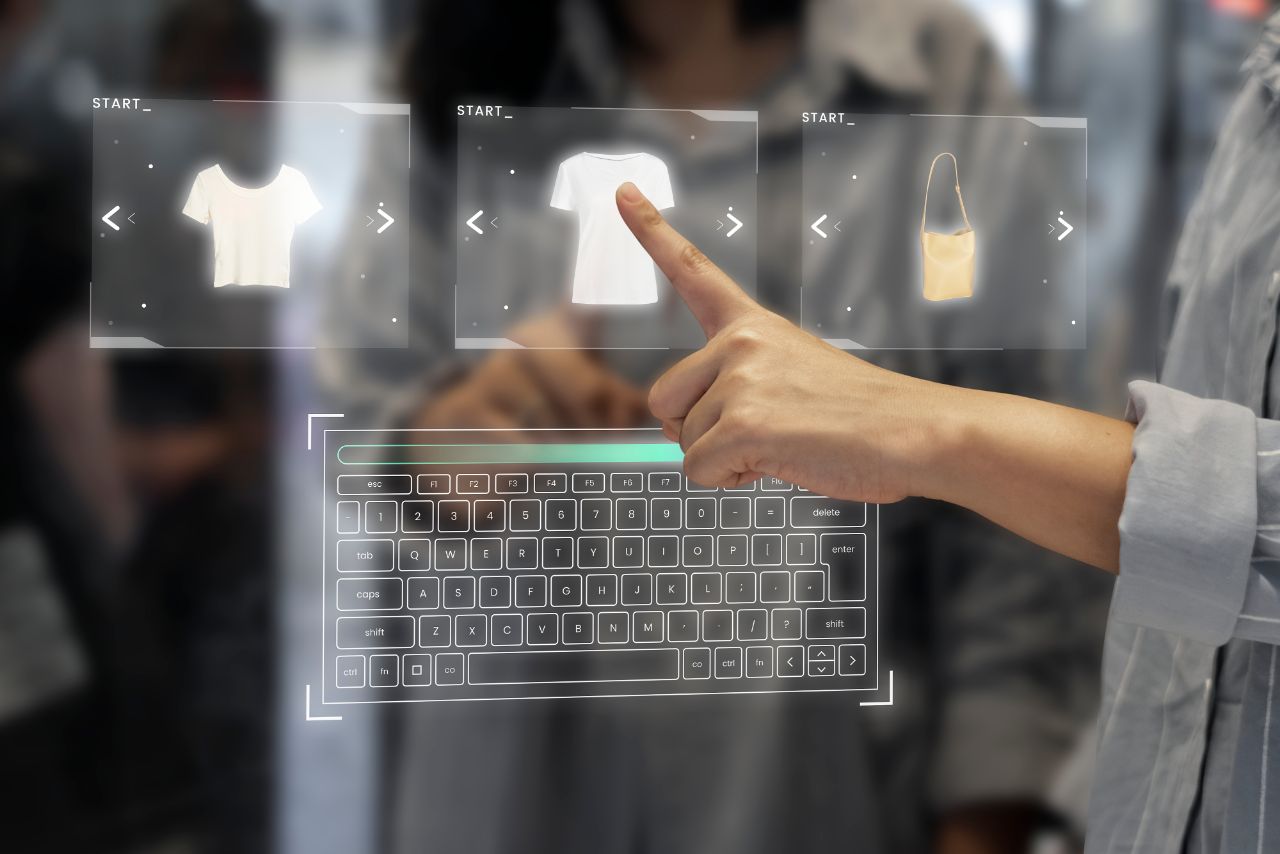
AR technology allows users to superimpose virtual clothing onto their real-life pictures, resulting in incredibly realistic virtual try-ons that blend the boundaries between physical and digital fashion. Virtual reality enhances this experience by placing users in 3D spaces where they can engage with their avatars and discover digital closets in real-time. For example, VR fashion shows enable designers to display their collections to a worldwide audience without any limitations.
AI is another critical enabler, assisting in the design and customization of virtual clothing. AI algorithms can analyze user preferences, body types, and even online behavior to recommend or design personalized digital garments. This not only enhances user satisfaction but also pushes the boundaries of what virtual fashion can achieve.
Blockchain and NFTs have introduced the concept of ownership and exclusivity in virtual fashion. NFTs allow users to purchase, trade, and own unique digital fashion pieces, giving value to metaverse clothing. Virtual marketplaces like Decentraland and The Sandbox have embraced blockchain technology, offering platforms where users can buy limited-edition digital garments for their avatars. This convergence of fashion and blockchain is transforming virtual fashion into a lucrative investment opportunity.
The Market for Virtual Fashion: Who is Buying?
The primary audience for virtual fashion comprises younger, tech-savvy generations, particularly Gen Z and Millennials. These demographics are deeply immersed in digital spaces, from gaming platforms to metaverse environments, and they view digital avatars as an extension of their real-world identity. Virtual fashion allows them to express themselves creatively and stand out in the online communities they value.
The attraction of this fashion for young users is its affordability and easy accessibility. Although traditional luxury brands are usually unaffordable, their digital versions provide a more reachable starting point. A virtual item of a Gucci handbag for an avatar can be acquired for much less than its real-life cost, which may reach thousands of dollars.
Luxury brands and mainstream retailers alike are tapping into this market. Balenciaga, for example, partnered with Fortnite to create exclusive digital outfits, while Nike introduced “Cryptokicks,” its line of NFT-based virtual sneakers. These collaborations are not just marketing gimmicks; they reflect the growing recognition of virtual fashion as a legitimate industry.
Moreover, gamers are among the biggest consumers of virtual fashion. Platforms like Roblox reported billions of dollars in user spending on virtual goods in recent years, much of which goes toward clothing for avatars. This demonstrates that virtual fashion is not a niche trend but a mainstream movement.
Sustainability and Virtual Fashion
One of the most compelling arguments for virtual fashion is its potential to address the environmental issues associated with traditional fashion. The fashion industry is one of the largest polluters globally, contributing to water waste, greenhouse gas emissions, and textile waste. Virtual fashion offers an alternative that eliminates the need for physical materials, manufacturing, and transportation.
Digital clothing does not need fabric, dye, or water, thus significantly decreasing its environmental footprint. Moreover, virtual fashion decreases the need for fast fashion by enabling consumers to try out different styles online, thus reducing the amount of waste generated. A person can buy a digital outfit to use on the internet without having to get a tangible one, meeting the need for novelty without the environmental impact.
That said, virtual fashion is not without its challenges. The blockchain technology underpinning NFTs, for instance, can be energy-intensive, raising questions about its sustainability. However, as the industry adopts greener technologies, the overall environmental footprint of virtual fashion remains significantly lower than its physical counterpart.

Challenges and Criticisms of Virtual Fashion
While virtual fashion offers numerous benefits, it also faces significant challenges. One major concern is accessibility. High-quality virtual fashion items, especially those tied to NFTs, can be expensive, creating a digital divide where only wealthier users can afford premium virtual clothing.
Moreover, there are ethical considerations regarding the environmental effects of blockchain technology and NFTs, especially in relation to energy usage. Critics believe that the sustainability claims of digital fashion are weakened by the carbon footprint of blockchain technology, but there are ongoing attempts to create more efficient systems.
Another challenge is the lack of widespread understanding and adoption. While younger generations are quick to embrace virtual fashion, older audiences may find the concept alien or unnecessary. Bridging this generational gap will be crucial for the industry’s long-term success.
The Future of Virtual Fashion
The future of virtual fashion is bright, with endless possibilities for innovation and growth. As the metaverse continues to evolve, virtual fashion will become even more integral to digital life. The blending of physical and digital fashion—where consumers can purchase a real-world garment alongside its virtual counterpart—will likely become a standard practice.
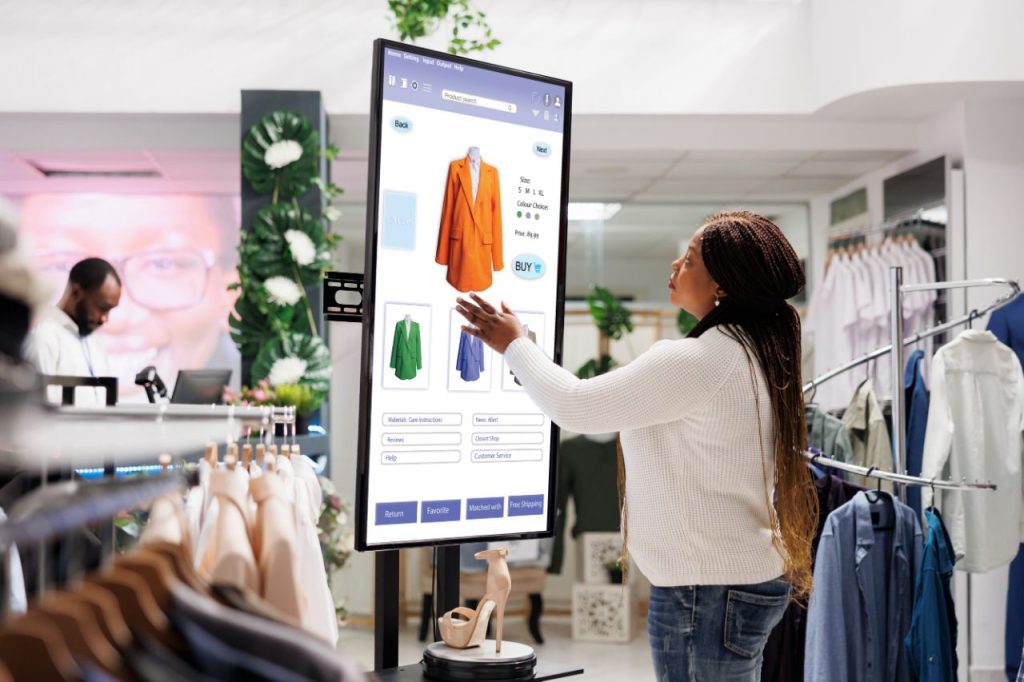
Furthermore, progress in AR and VR technology will lead to enhanced shopping experiences, enabling users to engage with virtual clothing collections in incredibly lifelike environments. Brands that adopt these technologies and give importance to inclusivity will succeed in the competitive virtual fashion industry.
Ultimately, virtual fashion is poised to transform not only how we dress in digital spaces but also how we think about fashion itself. By offering a sustainable, creative, and innovative alternative to traditional clothing, it represents the future of self-expression.
Conclusion
Virtual fashion represents a significant change in our interaction with style, technology, and identity, rather than just a temporary fad. American consumers have exciting chances to experiment with creativity and sustainability through the emergence of digital avatars and metaverse clothing. With the industry’s growth, virtual fashion will blur the lines between the digital and physical worlds, reshaping fashion through innovation.