









Reviving the Past: The Resurgence of Traditional Crafts in Modern Fashion
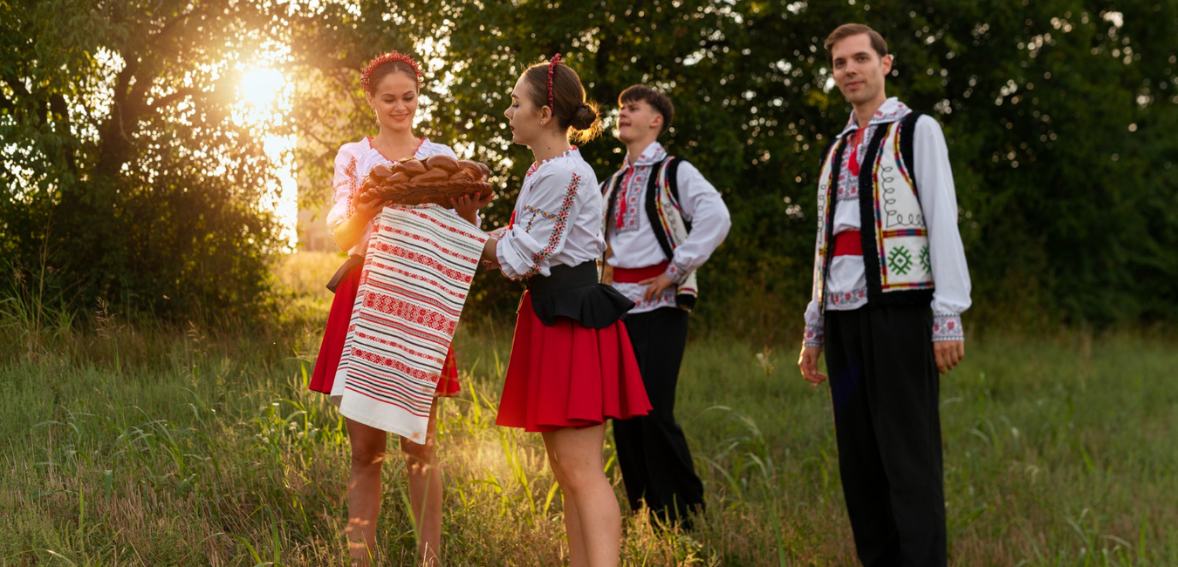
Fashion, as a constantly changing art, has discovered fresh significance in honoring heritage and traditional artistry. As interest in authenticity and sustainability increases, traditional crafts are undergoing a cultural revival, finding their place in modern wardrobes. Heritage fashion, defined by handcrafted clothing and traditional methods, has transitioned from being a historical artifact to a dynamic element of contemporary fashion storytelling. Modern consumers are attracted to items that narrate a story—a link to culture, heritage, and personal identity.
This resurgence is not only a tribute to craftsmanship but also a response to the fast fashion era’s environmental and ethical concerns. Artisans and designers are collaborating to breathe life into age-old practices, ensuring these skills are preserved for generations.
The Artisanal Renaissance: Bringing Heritage to the Forefront
Artisanal techniques, often passed down through generations, are at the heart of this revival. Techniques such as hand weaving, embroidery, and block printing have become pivotal in redefining modern fashion. These methods, which require meticulous effort and unparalleled skill, stand in stark contrast to mass production.
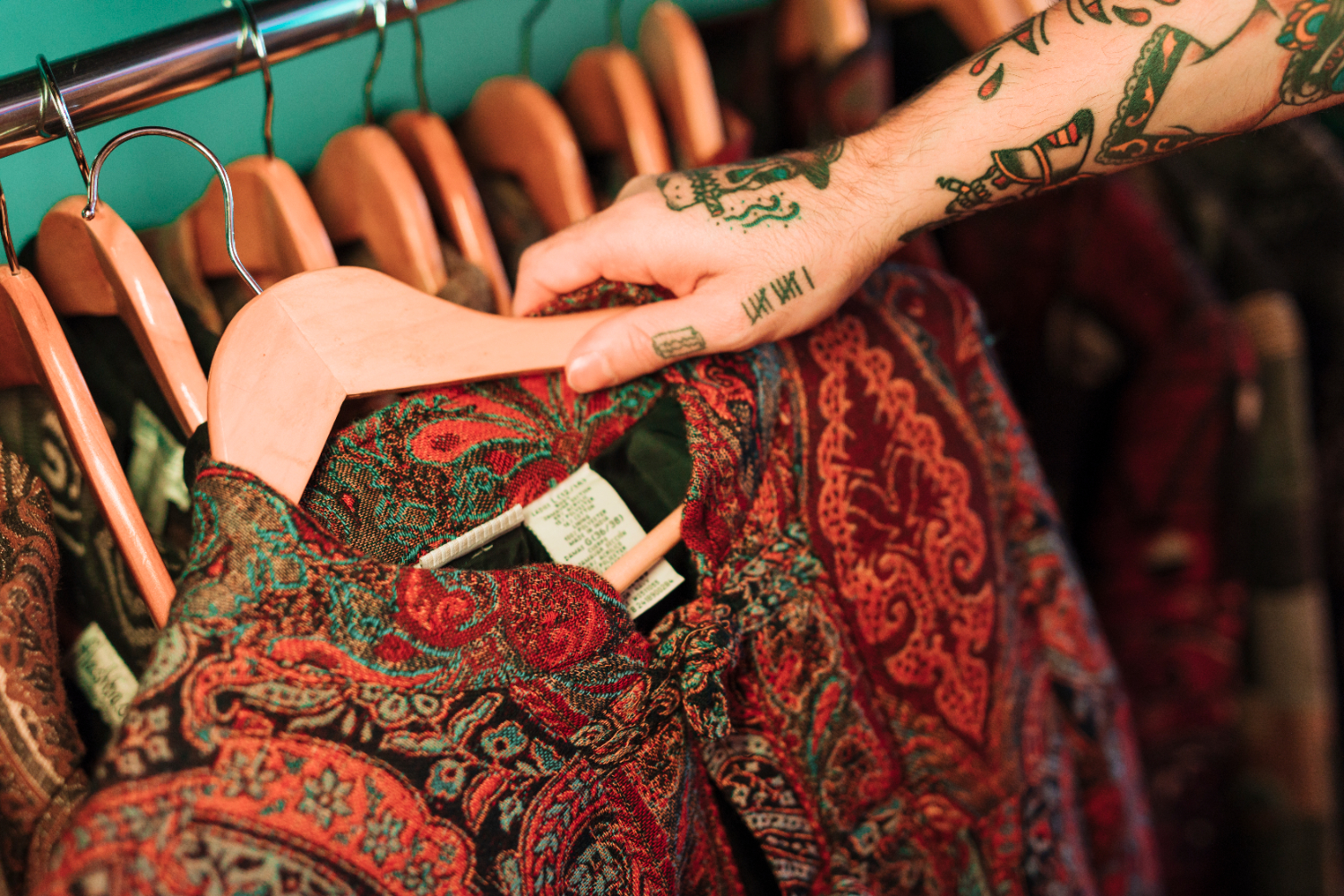
Brands such as Bode, recognized for their patchwork aesthetics and reused vintage materials, alongside Gucci, noted for their embroidered features and elaborate ornamentation, demonstrate the harmony between luxury and traditional artistry. Through the integration of artisanal elements into their collections, designers highlight the importance of handcrafted clothing and the stories that accompany them.
The appeal of these techniques lies in their authenticity. A handwoven scarf or an embroidered dress carries the essence of its maker—the imperfections that make it unique. In a world dominated by uniformity, heritage fashion offers individuality and a sense of connection. This shift towards artisanal methods is not only a stylistic choice but a sustainable one, as these practices often use natural dyes and eco-friendly materials.
Moreover, this renaissance extends beyond aesthetics. The intricate process behind each piece highlights the labor-intensive effort involved, drawing attention to the human aspect of fashion. By supporting these techniques, consumers are indirectly championing the preservation of cultural heritage and the livelihood of skilled artisans.

Traditional Crafts Across Cultures: A Global Perspective
Every culture boasts unique crafts that have shaped its identity. From India’s intricate kantha stitching and vibrant bandhani dyeing to Japan’s precise sashiko embroidery and indigo dyeing, traditional craftsmanship reflects a rich tapestry of history and culture.
In Africa, the use of bold prints and hand-dyed techniques such as batik and kente weaving tells stories of tribal heritage and community. South America’s alpaca wool garments and Panama hats showcase the skill and resources indigenous to the region. Meanwhile, Europe’s lace-making and fine tailoring traditions have found their way into high fashion.
Globalization has enabled these crafts to cross borders. Designers are teaming up with artisans globally, producing collections that honor cultural diversity. This cultural renaissance emphasizes the significance of maintaining these crafts while ensuring they resonate with today’s audience. Additionally, it creates economic opportunities for artisans, safeguarding the persistence of their essential skills.
The global perspective also sheds light on the interconnectedness of cultures through fashion. For instance, Moroccan zellige patterns and Indian block prints have inspired modern textile designs, showing how traditional techniques can evolve while staying true to their roots. These influences are breaking barriers, encouraging a global appreciation for the artistry behind handmade garments.
Sustainability Through Tradition: An Eco-Conscious Approach
The fashion industry’s environmental impact has spurred a shift towards sustainable practices, and traditional craftsmanship is at the forefront of this movement. Handmade garments, by their nature, consume less energy compared to machine-based production. Additionally, they often rely on locally sourced, biodegradable materials, reducing the carbon footprint.
For example, handloom weaving requires little electricity, whereas natural dyeing methods avoid the dangerous chemicals typically present in synthetic dyes. Artisanal methods prioritize longevity, urging buyers to choose classic items over fleeting fashion fads. This is consistent with slow fashion principles, encouraging thoughtful purchasing and minimizing waste.
Consumers are becoming increasingly aware of the ecological benefits of heritage fashion. By choosing handmade garments, they support both the environment and the livelihoods of artisans. The marriage of tradition and sustainability underscores the relevance of cultural revival in today’s eco-conscious world.
Furthermore, sustainable fashion backed by traditional craftsmanship serves as a counter-narrative to fast fashion’s negative impact. By celebrating slower production cycles and quality over quantity, this approach promotes a harmonious balance between human creativity and environmental stewardship.
The Role of Technology in Preserving Traditional Crafts
While traditional crafts are rooted in heritage, modern technology plays a significant role in their preservation and adaptation. Digital platforms enable artisans to reach a global audience, showcasing their work and connecting directly with consumers. Social media, e-commerce, and crowdfunding have empowered craftsmen to sustain their art and share their stories.
Moreover, technology aids in the recording and digital preservation of traditional methods, guaranteeing their survival over time. Virtual classes, web-based workshops, and learning materials assist younger generations in understanding and valuing these skills. Moreover, advancements such as 3D printing and laser cutting are merging with conventional techniques, producing hybrid designs that reflect contemporary aesthetics.
Designers and brands are leveraging technology to scale production without compromising the essence of craftsmanship. This synergy between tradition and innovation ensures that artisanal techniques remain relevant and accessible, bridging the gap between the past and the present.
Another critical aspect is how technology amplifies storytelling. Videos of artisans at work or detailed narratives about the history of specific crafts allow consumers to connect emotionally with their purchases. This digital storytelling enriches the value of heritage fashion and fosters deeper appreciation among modern audiences.
The Modern Consumer: Driving the Demand for Heritage Fashion
The resurgence of traditional crafts in modern fashion is largely driven by changing consumer preferences. Today’s buyers are more informed and intentional, seeking products that align with their values. Handmade garments and artisanal techniques resonate with consumers looking for authenticity, sustainability, and exclusivity.
Millennials and Gen Z, in particular, are leading this cultural revival. They value experiences over possessions, and owning a piece of heritage fashion offers a tangible connection to culture and craftsmanship. Social media platforms have also amplified the appeal of heritage fashion, with influencers and celebrities endorsing artisanal pieces, making them aspirational.
The rising demand for handmade garments is encouraging more brands to incorporate traditional craftsmanship into their collections. By prioritizing quality over quantity, these brands are reshaping the fashion industry, moving away from fast fashion’s fleeting trends.
Moreover, consumer habits are changing in favor of ethical buying. Consumers today evaluate the story behind their buys, preferring products that reflect ethical labor practices and ecological responsibility. This trend reinforces the significance of traditional craftsmanship in contemporary fashion, guaranteeing its pertinence in a swiftly evolving market.

Challenges and Opportunities in Reviving Traditional Crafts
While the resurgence of traditional crafts is promising, it comes with challenges. Artisans often face issues such as lack of recognition, insufficient funding, and competition from mass-produced goods. Preserving these crafts requires investment in education, infrastructure, and fair trade practices.
The possibilities are immense. Governments, non-profits, and private entities are stepping in to assist artisans via initiatives and funding. Partnerships between designers and artisans are promoting innovation and preserving cultural authenticity. Ethical consumerism is generating a demand for heritage fashion, motivating artisans to carry on with their craft.
Addressing these challenges requires a collective effort from consumers, brands, and policymakers. By valuing traditional craftsmanship, we can ensure its survival and growth in a modern context.
Moreover, integrating traditional crafts into mainstream fashion education can cultivate a new generation of designers who appreciate and respect these techniques. This holistic approach ensures that the legacy of traditional craftsmanship endures, offering endless creative possibilities for future innovators.
Conclusion
The resurgence of classic crafts within contemporary fashion goes beyond a simple trend; it represents a shift towards cultural renewal and sustainability. Handcrafted clothing and traditional methods link us to our heritage, providing a significant choice against mass manufacturing. Heritage fashion honors diversity, craftsmanship, and the timeless allure of tradition.
As consumers, our choices have the power to shape the industry. By embracing traditional craftsmanship, we not only preserve cultural heritage but also contribute to a more sustainable future. The fusion of past and present in fashion is a testament to the timeless appeal of artistry, proving that true style transcends time.
Ultimately, the revival of traditional crafts in modern fashion serves as a reminder of the beauty and value inherent in slow, thoughtful creation. It bridges the gap between generations, ensuring that the stories of our ancestors continue to be told through the language of fashion, inspiring a deeper connection to our shared cultural heritage.