






Gender Norms and Cultural Shifts in Fashion: A Global Perspective
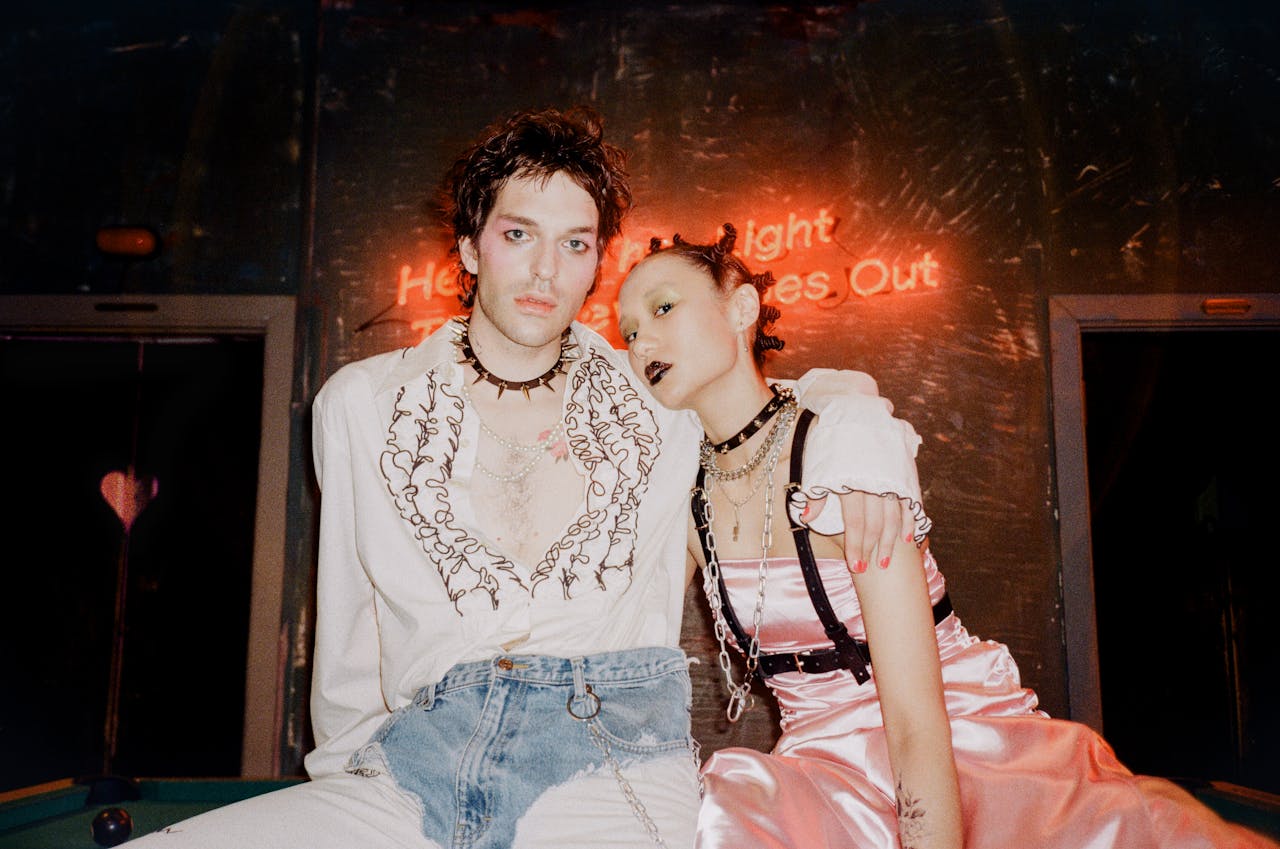
Fashion has consistently mirrored society, adapting to cultural standards, economic shifts, and changing views on identity. A significant change in recent years has been the collapse of strict gender norms in apparel. Around the globe, unisex apparel and gender-neutral styles are on the rise, defying conventional norms and promoting inclusivity. This transition represents not merely a change in fashion but a wider trend towards gender equality and personal expression.
The Evolution of Gender Norms in Fashion
Fashion extends beyond mere attire; it acts as a medium of expression, showcasing the values and beliefs of a community. As cultural viewpoints change, fashion standards also shift, dismantling conventional gender boundaries and reshaping individual expression. Nowadays, numerous people perceive fashion as a form of self-expression instead of conforming to traditional gender norms, thereby intensifying the movement towards inclusivity and liberation in clothing.
Historical Context
Throughout history, clothing has been used to signify gender roles, status, and identity. In many ancient civilizations, men and women wore similar garments, such as tunics and robes, with little distinction between genders. However, as societies developed, fashion became more gender-specific. The introduction of trousers for men and dresses for women became the norm in many cultures.
During the 19th and early 20th centuries, strict gender norms dictated what was deemed appropriate attire. Women were expected to wear skirts and corsets, while men adhered to suits and trousers. These norms were deeply ingrained in social expectations, reinforcing gender roles and limiting self-expression.
Breaking Gender Barriers
The mid-20th century witnessed the beginning of a cultural shift in fashion. The women’s liberation movement, second-wave feminism, and LGBTQ+ advocacy played a crucial role in challenging restrictive dress codes. Icons like Marlene Dietrich and Katharine Hepburn popularized androgynous fashion, making trousers acceptable for women. Similarly, the rise of counterculture movements in the 1960s and 1970s saw men embracing longer hair, colorful garments, and more fluid silhouettes.
The Rise of Gender-Neutral Fashion
The shift towards gender-neutral fashion goes beyond merely clothing; it signifies a larger change in societal perceptions of gender identity and self-expression. As cultural standards change, fashion has emerged as a means to challenge binary expectations and promote a more inclusive perspective. This shift is apparent on fashion catwalks, in retail outlets, and in daily clothing choices, marking a new age of inclusivity and diversity.
Defining Gender-Neutral Fashion
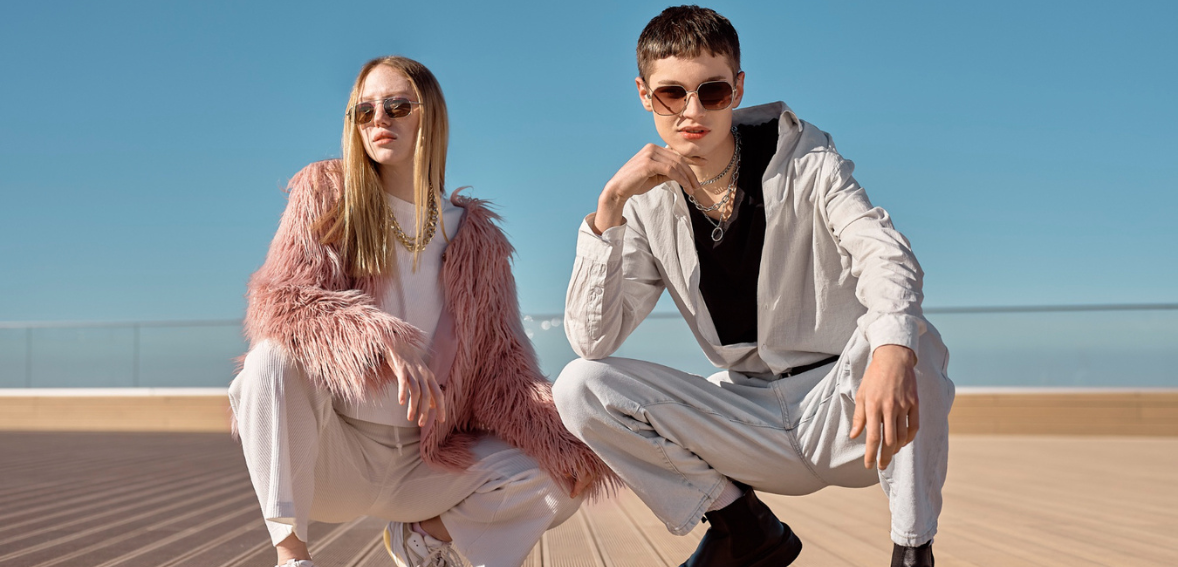
Gender-neutral fashion refers to clothing that is designed without a specific gender in mind. It moves away from traditional notions of masculinity and femininity, offering styles that can be worn by anyone regardless of gender identity. Unisex clothing, a major component of this movement, focuses on comfort, versatility, and inclusivity.
Cultural Shifts and Changing Attitudes
The growing acceptance of gender fluidity has fueled the demand for gender-neutral fashion. Younger generations, particularly Millennials and Gen Z, are challenging outdated ideas about clothing. According to various global studies, a significant percentage of young consumers prefer brands that offer gender-inclusive options, reflecting an overall cultural shift toward diversity and self-expression.
Fashion brands are responding to this demand by launching collections that defy traditional norms. High-profile designers, as well as mainstream retailers, are embracing unisex clothing, proving that fashion is no longer confined by outdated gender expectations.
Global Trends in Gender-Neutral Fashion
Gender-neutral clothing is becoming more and more popular around the world as designers and retailers adjust to changing social standards. This trend is seen in a variety of markets, from high-end couture to casual wear, indicating a move toward more inclusive and adaptable fashion options.
The Role of High Fashion
Luxury fashion houses and high-end designers have been at the forefront of this movement. Renowned designers such as Alessandro Michele for Gucci and Rick Owens have blurred gender lines in their collections. Runway shows now feature models wearing fluid silhouettes, oversized garments, and pieces that transcend traditional male or female categories.
Streetwear and Everyday Wear
Beyond high fashion, streetwear has played a crucial role in popularizing gender-neutral fashion. Brands like Adidas, Nike, and Supreme have introduced unisex clothing lines, emphasizing functionality over gender-specific designs. Hoodies, oversized t-shirts, sneakers, and denim have become wardrobe staples for people of all genders.
Regional Perspectives
Different parts of the world have embraced unisex clothing in their unique ways:
- Western Countries: The United States and Europe have seen a surge in gender-neutral fashion, with celebrities and influencers driving the trend. Brands like Stella McCartney and Telfar are championing inclusivity in their designs.
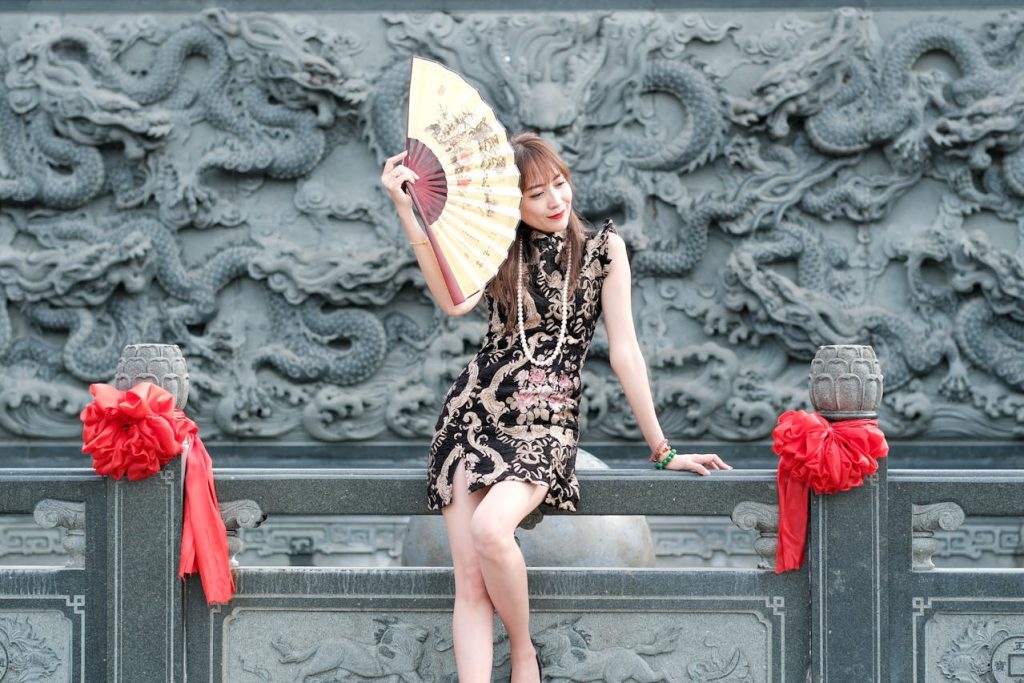
- Asia: Countries like South Korea and Japan have long celebrated androgynous fashion, particularly in pop culture. K-pop idols often wear clothing that blends masculine and feminine styles, influencing fashion trends globally.
- Middle East & South Asia: While traditional attire remains prevalent, younger generations are gradually adopting more fluid styles. Some designers are integrating gender-neutral elements into cultural garments, showcasing a fusion of tradition and modernity.
The Role of Media and Celebrities
Famous personalities and influencers have played a major role in the growth of gender-neutral fashion. Musicians such as Harry Styles, Billie Eilish, and Jaden Smith have pushed against gender norms by donning skirts, baggy clothes, and classic feminine styles. Their impact has motivated fans to adopt fashion free from the limitations of gender labels.
Social media platforms like Instagram, TikTok, and YouTube have also played a key role in promoting unisex clothing. Fashion bloggers and influencers showcase how gender-neutral fashion can be stylish and accessible, further normalizing the trend.
Challenges and Criticisms
As the gender-neutral fashion movement gains traction, it faces various obstacles that hinder its widespread acceptance. While younger generations embrace inclusivity, older, more traditional demographics often struggle with the departure from conventional gender norms. Societal expectations, ingrained beliefs, and resistance to change continue to shape the discourse around fashion and gender, making it a complex and ongoing cultural shift.
Resistance to Change
Despite its growing popularity, gender-neutral fashion still faces resistance from conservative societies and traditional fashion industries. Critics argue that unisex clothing lacks individuality or that it challenges cultural and religious values. However, many designers and activists continue to push for broader acceptance and inclusivity.
Commercialization and Authenticity
Certain brands have faced accusations of using gender-neutral fashion as a marketing tactic instead of a true dedication to inclusivity. Consumers are progressively demanding authenticity, pushing brands to guarantee that their dedication to diversity goes further than clothing collections to include workplace policies and representation in advertising.
The Future of Gender-Neutral Fashion
The continued growth of gender-neutral fashion suggests that its influence will extend beyond just apparel. As more brands adopt inclusive designs, society is gradually moving toward a world where clothing is based on comfort, utility, and personal preference rather than outdated gender norms. This movement is reshaping the fashion industry, impacting not only designers and retailers but also consumer expectations and cultural perceptions.
Sustainable and Inclusive Fashion
Sustainability is becoming a major focus in the fashion industry, and gender-neutral clothing aligns with this shift. Unisex clothing often prioritizes minimalism, reducing excessive production and waste. Many brands are combining inclusivity with sustainability, creating timeless pieces that can be worn by anyone.
Technological Innovations
Improvements in fashion technology, including AI-based design and 3D printing, are enabling more customization in gender-neutral clothing. Shoppers can now customize apparel to match their style choices, further dismantling gender norms.
Shaping Cultural Narratives
As cultural shifts continue, gender-neutral fashion is likely to become a standard rather than a trend. Schools, workplaces, and social institutions are gradually adapting to more inclusive dress codes, reinforcing the idea that clothing should be about self-expression rather than societal expectations.
The Economic Impact of Gender-Neutral Fashion
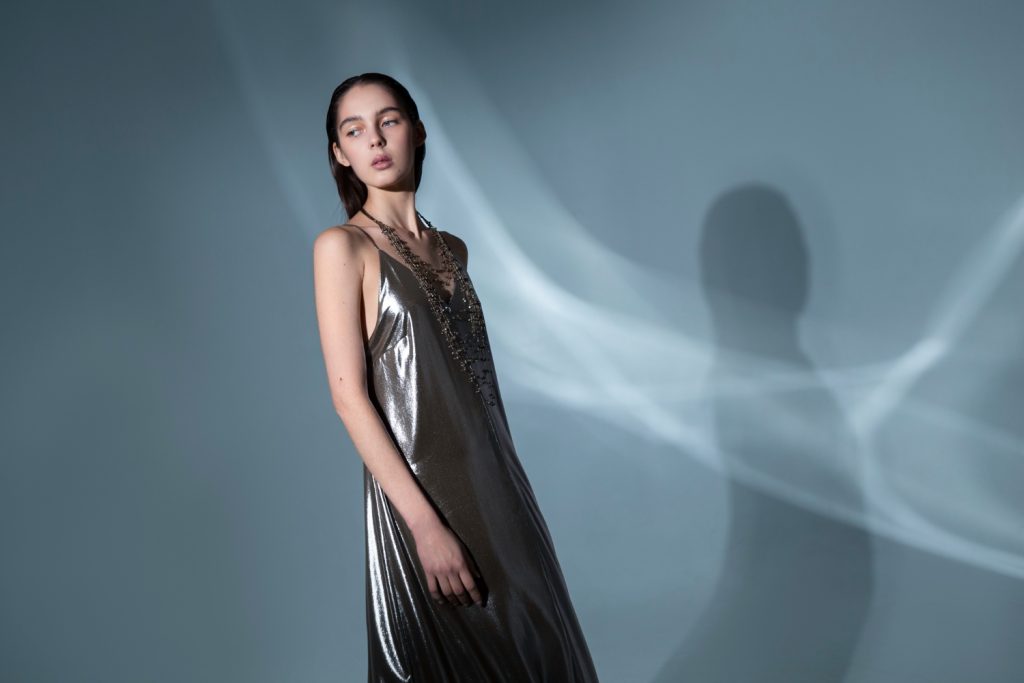
As gender-neutral fashion gains momentum, it is also reshaping the global fashion economy. Retailers and brands are increasingly investing in unisex clothing lines to meet consumer demand. This shift is leading to more inclusive shopping experiences, with stores adopting gender-neutral sections rather than segregating clothing by gender. As a result, fashion brands that embrace inclusivity are experiencing significant financial growth, proving that gender-neutral fashion is not just a trend but a lucrative industry transformation.
Psychological and Social Benefits of Gender-Neutral Fashion
The psychological and social advantages of being able to dress however one pleases are significant. It enables people to express who they truly are without worrying about criticism. For non-binary people in particular, many psychologists contend that gender-neutral clothing might help boost self-esteem and lower anxiety. Additionally, adopting inclusive fashion promotes a more tolerant society in which individuals are assessed on their moral qualities rather than their outward looks.
Conclusion
Fashion continually evolves as a reflection of societal values, and the emergence of gender-neutral clothing signifies a notable cultural change. Worldwide, people are adopting unisex attire and questioning conventional gender standards. Although obstacles still exist, the shift towards inclusive fashion is gaining traction, fueled by evolving perspectives, media impact, and a wish for self-expression. As we progress, gender-neutral fashion will keep transforming the way people dress, breaking barriers and encouraging inclusivity worldwide.