











What is Sustainable Fashion and Why It’s the Future?
In a world where fast fashion dominates, the need for sustainable fashion has never been more urgent. Sustainable fashion mostly focuses on materials not harmful to the environment, ethics regarding production, and less waste, so it will be beneficial for both the consumers and the environment equally.
This article explains what sustainable fashion is, its benefits, and how it transforms the future world of fashion.
What Is Sustainable Fashion?
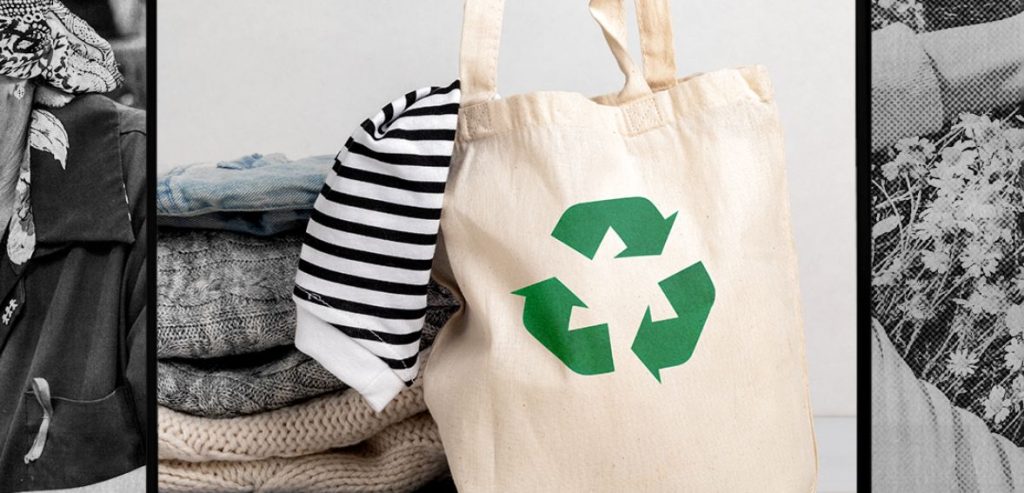
Sustainable fashion is the manufacturing of clothes, accessories, and footwear in ways that minimize environmental impact and promote ethical practices. Sustainable fashion mainly focuses on eco-friendly materials, honest labor conditions, reduction of waste, and longer durability to create a more responsible and ethical fashion industry.
Features of Sustainable Fashion
- Eco-friendly Materials – organic cotton, hemp, bamboo, recycled fabrics or biodegradable dyes.
- Ethical Production- fair wage, safe place of work, as well as no exploitation is ensured.
- Waste Reduction- slow fashion, upcycling, and circular fashion models will help save waste from reaching the landfill
- Carbon Footprint Awareness- wasteful use of energy, water, and bad emissions is to be reduced.
Sustainable fashion is not a trend but a turn to a more responsible and ethical way of clothing production and consumption.
Advantages of Sustainable Fashion to the Fashion Industry

The positive shift towards a more responsible fashion with the help of sustainable fashion has brought several benefits for the Industry and the environment:
1. Minimized Environmental Footprint
It can help in reducing pollution during the production process, consumes less water, and carbon emissions are reduced. The production of organic materials and biodegradable fabric reduces waste and degradation of the environment due to harmless processes of such productions.
2. Ethical and Fair Labor Practices
Brands adopting sustainability imply safe working conditions, fair wages, and ethical treatment of workers. All these features increase the reputation of the brand and leave a good influence on the global supply chain.
3. Long Term Cost Effectiveness
The materials and processes in sustainability may be investment intensive, but they assure better durability as well as efficient waste management that consequently reduces the long-term cost to the brand and consumers as well.
4. Innovation in Markets and Growth
Sustainable fashion has boosted several innovative approaches such as technology, recycling methods, and production efficiency. Sustainable fashion brands attract new customer segments and a competitive edge in the market.
5. Consumer Expectation and Brand Loyalty
With the Growing awareness of environmental issues and fast fashion, customers are more driven toward ethical fashion. Clear transparency in sourcing and production enhances trust in customers leading to a more better and stronger customer loyalty and brand value.
6. Future Proofing vs Regulatory Compliance
The government has strict environmental laws with labor force standards. The brands that practice sustainable fashion are way ahead in the competitive market.
7. Moving Toward a Circular Loop
Sustainable fashion is based on recycling, upcycling, and used markets. Instead of relying on fast fashion, it makes the whole process more circular, reusing the same material rather than waste.
Future of Fashion Industry: Sustainable Fashion

Sustainable fashion is not a trend but a growing future. It’s the one leading the way in how things are produced, consumed, and innovated for the industry. As consumers demand more ethical production, sustainable fashion brands are adapting to create a greener and more responsible future with ethical labor practices.
1. Eco-friendly Materials & Circular Fashion
The fashion industry is leaning into organic cotton, hemp, bamboo, and recycled textiles. Methods like Circular fashion, repairing, reusing, and recycling are the fastest-growing aspects of a sustainable business model.
2. Ethical Production and Fair Wages
Sustainable practices have brought worker safety, fair wages, and humane working conditions onto brands’ tables. Ethical sourcing and the importance of clear and transparent supply chains are fast emerging as responsible fashion’s new mantra.
3. Sustainable Technology & Innovative
Technology associated with 3D printing, AI-based design, biodegradable fabrics, and waterless dyeing techniques are driving this sustainability aspect. This innovation in the industry is reducing waste along with the carbon footprint of the industry.
4. Consumer Awareness & Responsible Shopping

With the growing awareness of environmental issues, modern consumers are shifting more towards responsible fashion leading to the rise of slow fashion, thrift shopping, and rental clothing platforms.
5. Government Regulations & Industry Standards
The Government’s introduction to environmental laws and labor stands are enforcing the Brands to adopt more transparent production practices, reduce emissions, limit waste, and adopt ethical labor practices. These Compliance and regulations are shaping the future of Sustainable fashion practices.
6. Digital Transformation & AI in Fashion
Virtual try-ons and AI-driven supply chain management make sustainable fashion more accessible and efficient for consumers.
Challenges of Sustainable Fashion

Sustainable fashion is the future of the industry but it has its own sets of challenges that need to be addressed by the brands and consumers :
1. Increased Production Costs
The use of sustainable materials and responsible manufacturing processes would incur additional costs. Sustainable fabrics such as organic cotton or recycled textiles cost more than regular ones, this makes sustainable fashion untouchable for budget-bound consumers.
2. Sustainable Materials Not Widely Available
Low volume availability of organic, biodegradable, and recycled material remains a growing challenge. The growing demand for Sustainable fabric is rising each day and supply chains need to scale up to meet industry needs efficiently.
3. Consumer Perception & Affordability
Sustainable fashion seems costly or out of trend for most consumers. Cheap alternatives to fast-fashion make it hard for sustainable brands to compete in the growing market.
4. Greenwashing & Lack of Transparency
Brands claiming they are sustainable but have not conducted any such practice, a recent tactic known as greenwashing has led to reputation issues for ethical sustainable brands. Without clear transparency, the marketplace has an extremely difficult time differentiating between a completely sustainable brand and misleading marketing promises.
5. Complexity In Supply Chain Management
Sustainable fashion can only prevail if it leads to a fair wage, no carbon footprint, and low or no wastage. Managing these complexities makes things very cumbersome and expensive for being executed globally among several other countries and manufacturers.
6. Slow Consumer Acceptance
Many consumers favor convenience and affordability before sustainability even though they have gained much awareness lately. Some measures such as education and awareness are required to change shopping habits and change them to a more mindful consumption.
7. Regulatory & Compliance Challenges
The regulatory compliance of global sustainable standards differs from one country to another Making it difficult for global brands to adopt any uniform standards of sustainable fashion practices.
Conclusion
Sustainable fashion is not a trend, but it’s the future of the fashion industry. Brands are changing the way clothes are designed, produced, and consumed in a more environment friendly way by using sustainable materials, ethically produced clothing, and minimizing waste. However, challenges like high costs, complexity of supply chains, and awareness among consumers can cause several issues for brands to compete in the market.
As more and more brands commit to responsible practice and consumers start deciding wisely, sustainable fashion will continue to evolve more positively leading to a more greenery and ethical fashion industry. The shift toward sustainability is not just necessary—it is the key to a better fashion industry.
FAQs
What is Sustainable Fashion?
Sustainable fashion is the use of environment-friendly materials, ethical production, and reducing waste in the environment. It advocates for fair wages, durable clothes, and responsible consumption.
Why does sustainable fashion matter?
Sustainable fashion has reduced pollution, the waste of water, and unethical labor practices in the fashion industry. Sustainable fashion advocates for durable clothing, fair trade, and low carbon footprints. All these give consumers a healthy environment and ethical labor conditions.
Is sustainable fashion cost-effective?
Sustaining clothing is more expensive in the initial phase because of ethical making and quality material. But it has proved to be cost-effective in the long run, as it has long-lasting durability. Prices are becoming cheaper with the increase in demand.