









Global Tapestry: How Cultural Traditions Shape Modern Fashion
Fashion is more than just clothing; it is a canvas that reflects history, identity, and culture. Across the globe, cultural traditions and heritage have significantly influenced modern fashion, weaving together a rich tapestry of styles that celebrate diversity. Let’s explore how traditional attire, indigenous textiles, and cultural preservation shape the contemporary fashion landscape, highlighting the enduring connection between the past and present.
The Legacy of Cultural Heritage in Fashion
Cultural heritage is a cornerstone of modern fashion. Designers often draw inspiration from their roots, blending traditional motifs and techniques with contemporary aesthetics. This fusion not only honors their lineage but also introduces global audiences to the beauty of diverse cultures.
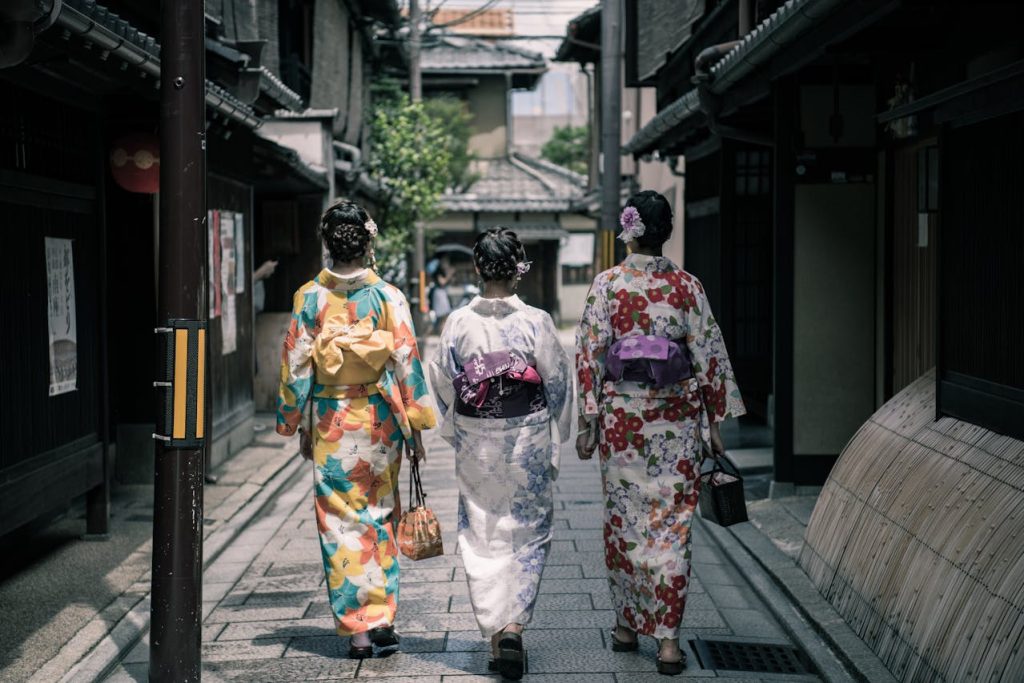
For example, India’s rich history of textile art, such as Banarasi silk and Chikankari embroidery, has found its way into high-end couture. Similarly, Japan’s kimono, a symbol of elegance and tradition, has inspired modern silhouettes and patterns in Western fashion. By incorporating these elements, designers preserve cultural identity while reimagining traditional attire for new contexts.
The impact of cultural heritage in fashion extends beyond aesthetics. It fosters a deeper appreciation for craftsmanship and the stories behind each piece. As more consumers become conscious of the origins of their clothing, they seek out brands that value cultural preservation. This shift not only empowers artisans but also ensures that indigenous textiles remain relevant in an ever-evolving industry.
Furthermore, cultural heritage provides a foundation for storytelling in fashion. Each traditional element carries historical significance, allowing designers to infuse their creations with deeper meaning. This narrative approach appeals to consumers seeking more than just superficial trends, solidifying cultural heritage as an enduring force in the industry.
Traditional Attire as a Source of Modern Trends
Traditional attire serves as a blueprint for many modern fashion trends. From the intricate beadwork of African garments to the bold patterns of Mexican huipiles, traditional attire offers endless inspiration for designers.
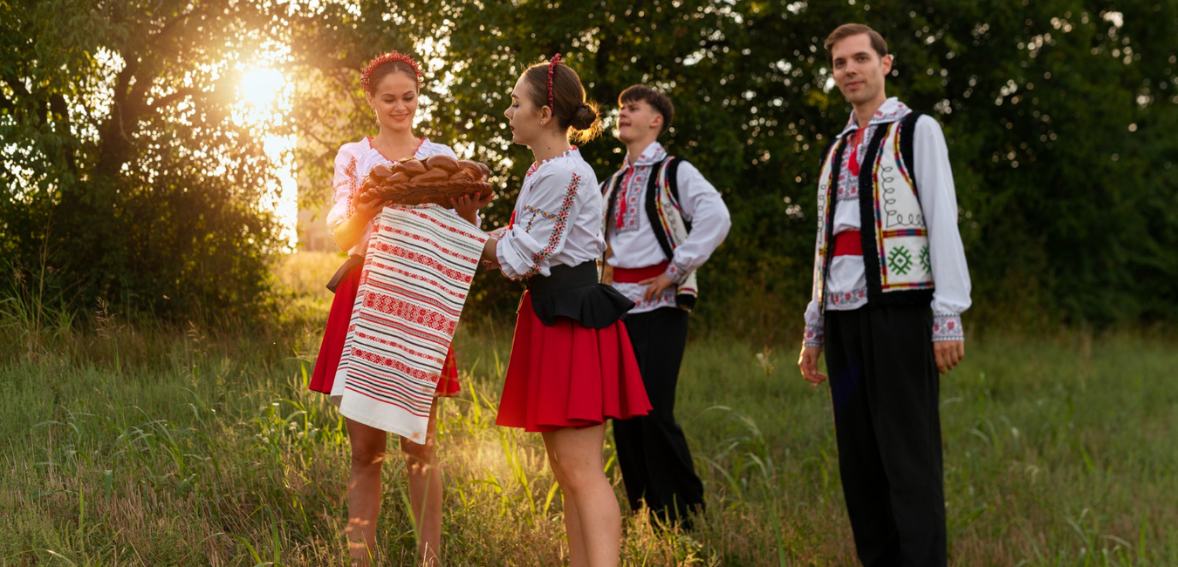
Take, for instance, the popularity of bohemian fashion. Its roots can be traced back to Eastern European folk costumes, which feature elaborate embroidery and flowing fabrics. Similarly, the Maasai’s vibrant shukas have influenced contemporary patterns in accessories and outerwear. These adaptations highlight how traditional attire transcends time, continually shaping the narrative of global fashion.
However, the appropriation of traditional attire has sparked debates about cultural sensitivity. While drawing inspiration is a celebration of heritage, it is essential to respect and credit the communities behind these creations. Ethical practices, such as collaborating with indigenous artisans, ensure that traditional attire is not merely a trend but a meaningful contribution to modern fashion.
Moreover, traditional attire’s influence extends to haute couture. Runway shows often showcase collections inspired by specific cultures, blending traditional craftsmanship with cutting-edge design. This blend of old and new exemplifies how traditional attire continues to inform and elevate global fashion.
Indigenous Textiles: The Heart of Sustainable Fashion
Indigenous textiles are more than just fabrics; they are a testament to the ingenuity and resilience of cultures. Handwoven, naturally dyed, and steeped in tradition, these textiles embody sustainable practices that modern fashion is now striving to adopt.
Peruvian alpaca wool, for example, is renowned for its warmth and durability, making it a staple in sustainable fashion collections. Similarly, the ikat technique, practiced in countries like Indonesia and India, creates intricate patterns that are both timeless and eco-friendly. By integrating these textiles into their designs, brands not only promote cultural preservation but also address environmental concerns.
The rise of slow fashion has further elevated the importance of indigenous textiles. Consumers are increasingly drawn to garments that tell a story and support ethical production. This trend has provided a platform for artisans to showcase their craft on a global stage, ensuring that their skills are passed down to future generations. As a result, indigenous textiles continue to shape modern fashion while championing sustainability.
In addition, indigenous textiles highlight the value of local resources. Many of these fabrics are made using techniques passed down through generations, relying on natural fibers and dyes that minimize environmental impact. This alignment with sustainable practices positions indigenous textiles as a key element in the future of ethical fashion.
The Role of Cultural Preservation in Fashion
Cultural preservation plays a pivotal role in ensuring that traditional craftsmanship and knowledge are not lost to time. Fashion acts as a bridge, connecting ancient practices with contemporary audiences and fostering a renewed interest in heritage.
Organizations and designers are working tirelessly to preserve cultural traditions through fashion. For example, initiatives like Fashion Revolution emphasize transparency and ethical sourcing, encouraging brands to honor the origins of their designs. Collaborations with indigenous communities, such as the Maasai’s partnership with luxury labels, highlight the value of cultural exchange and mutual respect.
Moreover, cultural preservation in fashion empowers marginalized communities. By investing in traditional craftsmanship, brands provide artisans with economic opportunities while preserving their cultural identity. This approach not only enriches the fashion industry but also promotes inclusivity and diversity.
Educational initiatives also play a crucial role in cultural preservation. Workshops, exhibitions, and fashion shows dedicated to traditional techniques help raise awareness and inspire the next generation of designers. By creating platforms for cultural exchange, these efforts ensure that traditional artistry remains a vibrant part of modern fashion.
Global Fashion: A Celebration of Diversity
Global fashion is a testament to the interconnectedness of cultures. By blending elements from different traditions, designers create unique pieces that resonate with a diverse audience. This celebration of diversity is evident in runway collections, streetwear, and even everyday clothing.
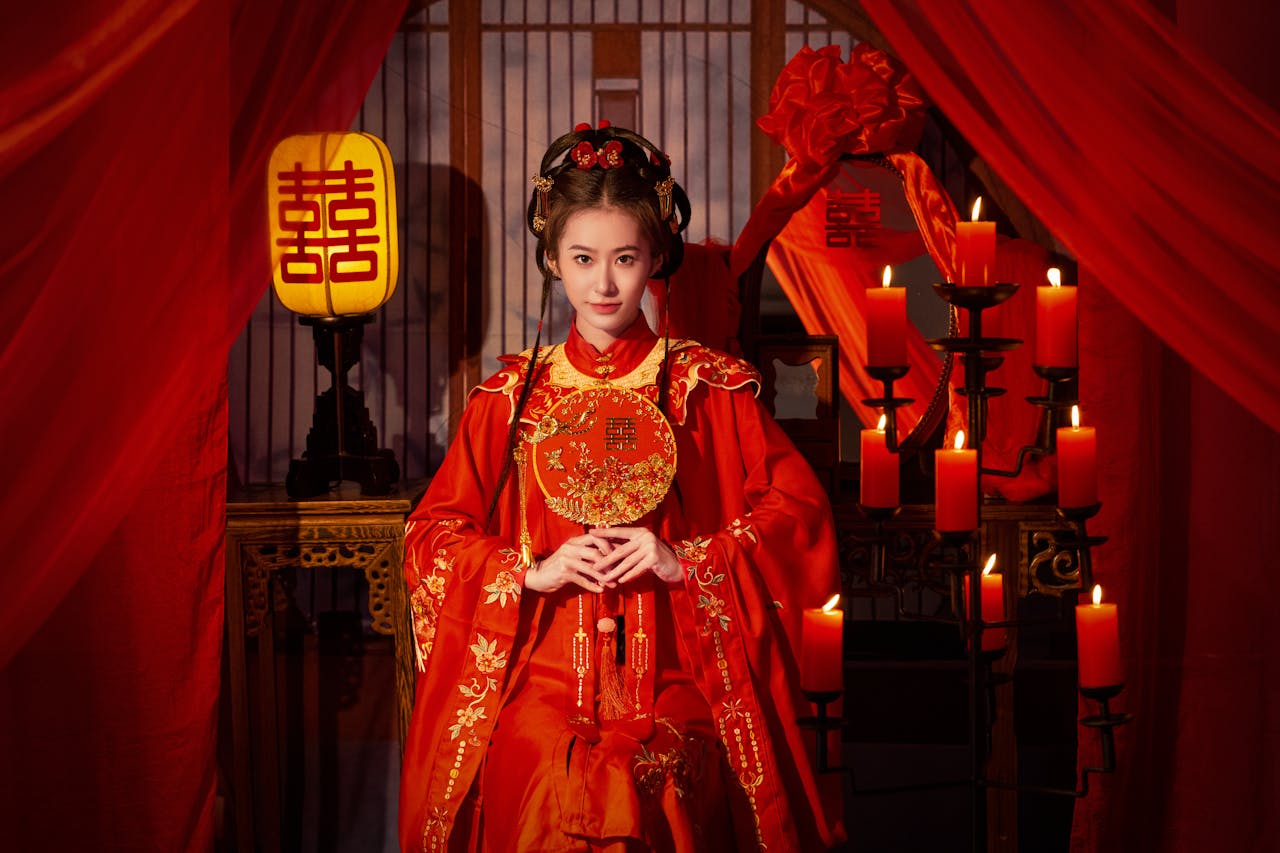
For instance, the fusion of Western tailoring with Eastern embroidery has given rise to a new wave of contemporary fashion. Designers like Naeem Khan and Guo Pei seamlessly integrate cultural elements into their creations, bridging the gap between tradition and modernity. This cross-cultural dialogue not only enriches the fashion world but also fosters understanding and appreciation among people from different backgrounds.
However, it is crucial to approach global fashion with sensitivity. While cultural exchange is a beautiful phenomenon, it should be rooted in respect and acknowledgment. Recognizing the origins of design elements ensures that the contributions of diverse cultures are celebrated rather than exploited.
Global fashion also highlights the universality of certain design elements. Patterns, techniques, and materials often find parallels across different cultures, showcasing our shared human creativity. By embracing these connections, the fashion industry promotes unity while celebrating individuality.
The Future of Cultural Heritage in Fashion
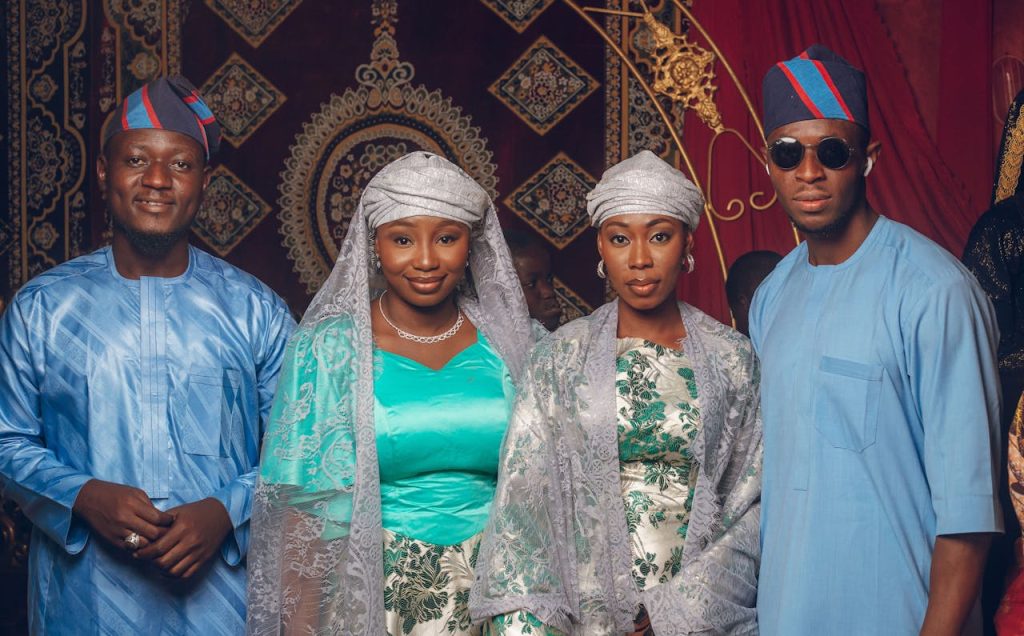
As the fashion industry evolves, the influence of cultural heritage continues to grow. With increasing awareness of sustainability and ethical practices, designers and consumers alike are embracing the value of tradition. This shift signals a promising future where cultural preservation and innovation coexist harmoniously.
Technology also plays a vital role in this transformation. Digital platforms provide artisans with a global audience, allowing them to showcase their work and connect with consumers directly. Virtual fashion shows and online marketplaces have further democratized access to traditional attire and indigenous textiles, ensuring that these treasures reach a wider audience.
Furthermore, younger generations are leading the charge in celebrating cultural heritage. Social media platforms have become powerful tools for sharing traditional designs and educating others about their significance. This renewed interest in heritage ensures that the stories behind each piece are not forgotten.
Ultimately, the fusion of cultural heritage and modern fashion is a celebration of humanity’s shared history. By honoring our roots and embracing diversity, we create a vibrant global tapestry that transcends borders and unites us through the art of fashion.
Conclusion
In conclusion, cultural traditions are the lifeblood of modern fashion, offering inspiration, identity, and purpose. From traditional attire to indigenous textiles, these elements shape the industry’s narrative while promoting cultural preservation. As we continue to celebrate our shared heritage, we pave the way for a fashion future that values inclusivity, sustainability, and respect for the global tapestry of traditions.