










How Technology is Powering Inclusive Fashion Innovation
Fashion has always followed societal change, sometimes leading, sometimes lagging behind. In the past, the industry was all about aesthetics, aspirational models and standard sizing. But as awareness around diversity and representation grew, the limitations of traditional fashion became harder to ignore. Especially for people with disabilities, different body shapes and gender nonconforming identities who were excluded from mainstream fashion solutions.
Inclusive fashion tech has opened the door to a new kind of style – one that puts comfort, accessibility and body positivity at the heart. From high tech tailoring to intelligent fabrics, technology is making it possible to design clothes for real people in the real world. Inclusivity is no longer a trend. It’s a necessity and technology is making it possible.
Innovations like 3D body scanning, adaptive clothing tech, AI personalization and AR are allowing brands to create better fits, cater to individual needs and go beyond outdated beauty standards.
Why Traditional Fashion Struggled with Inclusivity
For decades, fashion operated on a narrow framework. There were sample sizes, rigid gender categories, and a lack of representation in both design and marketing. People with disabilities, seniors, people with non-standard body types, or those requiring specific garment modifications were often left without clothing options that addressed their needs.
This wasn’t just about aesthetics. Ill-fitting clothes can limit confidence, freedom of movement, and even employment opportunities. For example, wheelchair users might find traditional pants bunch up or ride low when seated. People with dexterity challenges could struggle with buttons and zippers. These issues were rarely considered in mainstream fashion collections.
The core issue was scale. Traditional design and manufacturing methods weren’t equipped to deliver personalized or adaptive options affordably. However, with advances in inclusive fashion tech, brands are now able to approach design in more flexible and scalable ways.
3D Body Scanning: Precision Fit for Every Body
One of the most transformative tools in inclusive fashion today is 3D body scanning. This technology creates precise, three-dimensional representations of an individual’s body, allowing for highly accurate sizing and fit.
3D body scanning eliminates guesswork from garment production. It captures measurements from hundreds of data points across the body, taking into account natural posture, limb proportions, and movement dynamics. This level of detail empowers designers to create clothes that don’t just look good but feel good; on every shape and size.
This is especially important for plus-size consumers, people with scoliosis or limb differences, or anyone whose body proportions don’t match conventional sizing charts. Brands using 3D body scanning can offer personalized garments without the costs of bespoke tailoring. And with mobile-enabled scanning apps, consumers can even take body measurements from the comfort of home.
As this technology becomes more accessible, its adoption is likely to accelerate, making made-to-measure clothing more inclusive and mainstream than ever before.
Adaptive Clothing Technology: Designing for Function and Dignity
Adaptive clothing technology is another area where tech is rewriting the rules. At the end of the day, adaptive clothing is about functionality. It’s about meeting the needs of people with physical challenges without sacrificing style. For example, adaptive garments might have magnetic closures instead of buttons, Velcro instead of zippers or hidden openings for medical devices. While these features address specific functional needs, they now integrate into stylish silhouettes so wearers feel confident and seen.
Technology has played a big part in scaling this. CAD systems allow engineers and designers to test clothing designs digitally before production. Smart textiles that respond to temperature or moisture are also entering adaptive fashion making garments more comfortable and responsive.
Fashion and engineering combined means people of all ages and abilities can have wardrobe options that suit their lifestyle and personality. Adaptive clothing technology has gone way beyond a niche. It’s now part of the broader inclusive movement in fashion.

Artificial Intelligence and Personalization
AI is bringing new depth to inclusive fashion tech by helping brands personalize offerings like never before. AI-driven platforms can analyze customer preferences, body types, past purchases, and even online behavior to suggest products that fit both their bodies and tastes. This has two major benefits. First, it reduces returns caused by poor fit; an expensive and wasteful problem in online retail. Second, it makes shopping a less frustrating and more enjoyable experience, especially for customers who have felt underserved in the past.
By layering AI with 3D body scanning, retailers can build entire style profiles that cater to unique identities. Some startups even use AI to simulate how clothing would look on different body types, giving customers a realistic preview of fit and drape before purchase. As these technologies mature, personalization will move from being a luxury to an expectation. This shift is particularly empowering for communities that have long struggled to find clothing that works for them.
Augmented Reality and Virtual Try-Ons
Another exciting development in inclusive fashion is the use of AR. AR enables users to try on clothes virtually through smartphone apps or smart mirrors, removing physical limitations and allowing people of all sizes and shapes to preview their options in real time. This technology is especially helpful for people who may find in-store try-ons challenging; such as individuals using mobility aids, or those with anxiety around fitting rooms. By removing these physical and emotional barriers, AR gives people the freedom to shop at their pace, in their own space.
Some AR tools go beyond simple previews. They allow users to adjust the model’s size, shape, and height to better reflect their own bodies. When paired with 3D body scanning, AR can offer hyper-accurate try-ons that mimic fabric behavior and garment flow. This is where inclusive design meets digital experience. By bringing accessibility into the tech stack, AR is helping fashion brands connect more meaningfully with diverse audiences.
Inclusive Fashion in Gender Expression and Identity
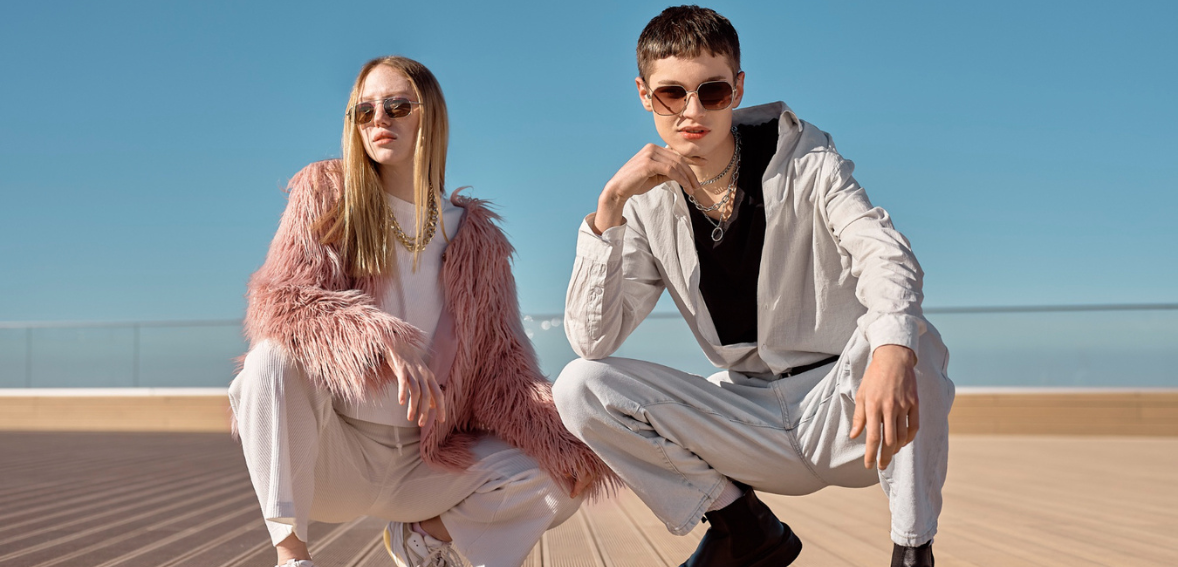
Inclusivity in fashion isn’t limited to physical dimensions. It also includes gender identity, personal expression, and cultural relevance. Traditional fashion often reinforced binary categories; men’s wear and women’s wear; with little space for those who identified outside of that framework. Technology is helping to change that. Brands are using AI to curate gender-fluid collections, while design tools enable faster prototyping of silhouettes that are not based on gendered expectations. These tools let designers focus on comfort, fit, and self-expression over conventional styling rules.
Inclusive sizing is another major win. Instead of segmenting clothes by gender, many digital-first fashion brands now label their items based on fit and measurements. This gives consumers freedom to choose what feels right for them, not what’s been predefined by a label. In the long term, inclusive fashion tech could normalize these flexible approaches across the industry, allowing for more equitable design processes and consumer experiences.
Sustainability and Custom Production
Inclusivity and sustainability are often seen as two separate goals but technology is helping to bring them together. With 3D body scanning and AI powered demand forecasting brands can produce in smaller batches reducing waste and overstock. Custom production means fewer returns and less landfill waste. In the past inclusive sizing meant holding excess inventory to accommodate different needs. But with made to order models and digital design brands can be more inclusive without compromising on eco friendly practices.
Tech enabled solutions like laser cutting, digital textile printing and pattern optimization reduce fabric waste during manufacturing. This means a more sustainable supply chain that supports both environmental goals and inclusive design. As customers become more aware of fashion’s impact on the planet this overlap between sustainability and accessibility will become more important.
Challenges and Limitations in Inclusive Fashion Tech
Despite these advances, there are challenges to be addressed. Not all brands have the budget to invest in adaptive clothing technology or 3D body scanning infrastructure. Many inclusive initiatives remain limited to niche brands or pilot programs. There’s also a learning curve. Designers need to be trained not just in technical skills but in understanding the lived experiences of those they aim to serve. Real inclusion comes from involving people with disabilities, body diversity, and non-binary identities in the design process itself.
Another concern is digital access. While technologies like AR and virtual try-ons are promising, they rely on devices and internet connections that not everyone may have. To be truly inclusive, fashion tech must also address these barriers. The road to accessible fashion is promising, but it requires ongoing investment, empathy, and collaboration across sectors.
The Role of Startups and Independent Designers
While large brands have the scale, many of the most exciting breakthroughs in inclusive fashion tech are coming from startups and independent designers. Free from legacy systems, these innovators are experimenting with on-demand production, sensor-based fabrics, and smart accessories. For example, some startups are using wearable sensors to create clothing that adjusts to body temperature or alerts users to posture issues. Others are exploring open-source design templates, allowing consumers to co-create or customize garments before ordering.
These agile approaches show how inclusivity can be achieved even with limited resources. As larger companies take note, we can expect more partnerships between tech firms, fashion houses, and inclusion advocates. The future of fashion may very well be shaped by these smaller, nimbler players who are not afraid to rethink the basics.
Education, Awareness, and the Consumer Shift
Technology alone cannot drive change. Education and awareness are just as important. As more consumers become informed about the possibilities of adaptive clothing technology and inclusive fashion tech, they begin to demand more from the brands they support. This consumer pressure is pushing companies to rethink their priorities. Many are investing in training programs for inclusive design, hosting focus groups with marginalized communities, and running transparency campaigns about their production methods.
The dialogue around inclusivity has also become more visible, with influencers, activists, and media platforms spotlighting inclusive fashion lines. This social momentum is critical in making sure innovation serves a real purpose and does not become just another buzzword.
Looking Ahead: The Future of Tech-Enabled Inclusive Fashion
The journey is far from over, but it’s clear that the fusion of fashion and technology is here to stay. As tools like 3D body scanning, AI personalization, AR try-ons, and adaptive clothing technology continue to evolve, they will shape a more inclusive, intelligent, and human-centered industry. In the future, consumers may no longer ask, “Does this come in my size?” or “Will this work with my mobility aid?” Instead, the expectation will be that fashion works for everyone by default. That is the promise of inclusive fashion innovation, and technology is making it possible.
Final Thoughts
Fashion has always been a tool for identity, creativity, and expression. But for too long, it was also a source of exclusion. Today, thanks to powerful tech innovations, that narrative is changing. From inclusive fashion tech platforms to adaptive clothing technology and 3D body scanning, the industry is on a path toward a more respectful, responsive, and realistic future. This transformation will take time, but the shift is real; and it’s happening now. For designers, brands, and consumers alike, the opportunity is not just to wear clothes that fit, but to feel seen, heard, and celebrated in every stitch.