







Fashion on Wheels: Inclusive Fashion for Wheelchair Users
Fashion is often seen as a reflection of personality, mood, and culture. It gives people a way to express themselves, experiment with identity, and feel confident in their own skin. But for a long time, an entire group of people has been left out of this conversation. Individuals who use wheelchairs have had to work around clothes that were not made with them in mind, often prioritizing comfort over style because the options were limited.
Thankfully, the industry is beginning to catch up. With growing awareness and advocacy, fashion for wheelchair users is gaining the spotlight it deserves. Designers are moving beyond traditional cuts and creating clothing that combines function, comfort, and aesthetics. Whether it’s through smart tailoring or adaptive wear that responds to real physical needs, inclusive fashion is becoming a space for innovation and equity.
The Importance of Designing for Seated Bodies
Most clothes are designed for standing and walking. For someone who spends most of their time seated, this causes problems that go beyond just being uncomfortable.
Discomfort Is More Than Just a Bother
A stiff waistband, a misplaced seam or a back pocket might seem like no big deal to someone who walks all day. But for wheelchair users, these can be major discomfort or even health issues like pressure sores. Sitting for long periods puts pressure on certain parts of the body, so fabric choice, seam placement and fit are crucial. That’s where seated clothing design comes in.
Standard Sizing Doesn’t Fit Everyone
Adaptive clothing challenges the idea that one size or shape fits all. The human body, especially when seated, changes shape and balance. Designs that take this into account usually have a higher back rise, different fabric tension zones and less bunching around the waist and thighs. This is the key to making fashion more functional for everyone.
Understanding Adaptive Wear
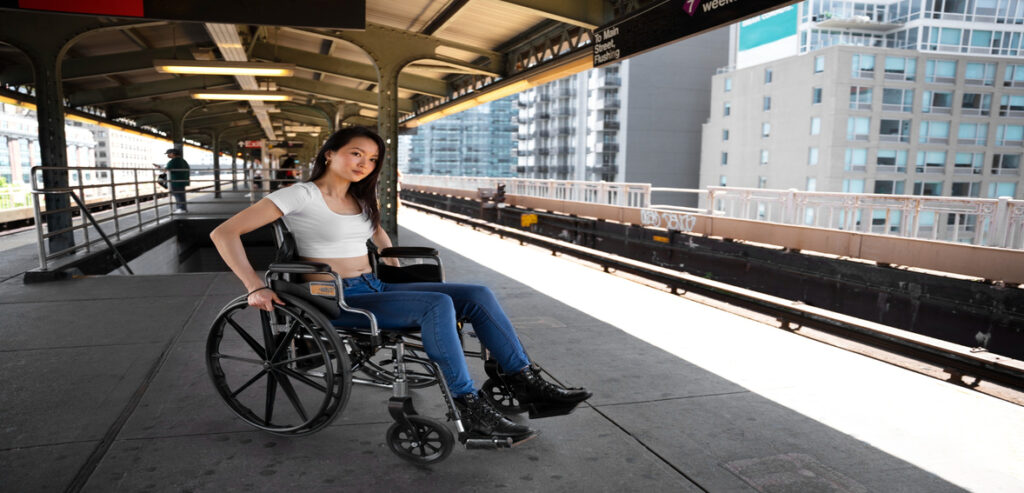
Adaptive wear is clothing developed specifically for people with disabilities. It integrates features that make dressing easier, more comfortable, and more independent, all without sacrificing the look and feel of modern fashion.
Blending Fashion and Function
Great adaptive wear doesn’t just serve a practical purpose, it also looks good. Think of jeans with side zippers for easier dressing, or dresses with magnetic fasteners that close quickly. These are fashionable, versatile pieces designed to suit seated life. Brands are now incorporating stretch fabrics, adjustable hemlines, and flat seams that eliminate skin irritation.
Promoting Independence Through Clothing
One of the biggest advantages of adaptive clothing is that it allows people to dress themselves more easily. By reducing the need for assistance, it fosters a sense of independence and autonomy. This is especially powerful for young adults and working professionals who want clothing that suits their lifestyle without extra steps or help.
Key Elements of Wheelchair-Friendly Clothing
Designing with mobility in mind involves attention to every detail. The clothes need to feel good when worn for long hours, but they also need to reflect style and personality.
Adjusted Waistbands and Seam Placement
Many wheelchair users prefer pants that have a higher back and a lower front, preventing the waistband from digging into the stomach or riding down in the back. Seamless or flat-seam construction helps avoid pressure points, which is essential for long periods of sitting.
Accessible Closures
Magnetic snaps, side zippers, and hook-and-loop fasteners are all useful alternatives to traditional buttons and zippers. These features are not just for convenience but for inclusion, particularly for those with limited hand mobility or muscle strength.
Fabric Choices Matter
Breathable, stretchy fabrics are vital. Stiff or non-stretchy materials can cause skin irritation or limit movement. Good seated clothing design makes use of cotton blends, spandex, and other soft materials that adapt to body movement without clinging too tightly or bunching awkwardly.
The Rise of Fashion for Wheelchair Users
As awareness grows so does the number of brands entering the adaptive space. What was once a niche is now visible in the bigger fashion industry.
Mainstream Brands Join In
Big fashion brands are launching adaptive lines that are all about inclusivity. From denim brands creating pants with adjustable features to retailers launching full adaptive collections, it’s clear the mindset is shifting. These are proof that fashion for wheelchair users isn’t a separate category but part of the bigger fashion movement.
Independent Designers Leading the Way
While big brands bring visibility, many of the most innovative ideas come from independent designers; often those with disabilities themselves. Their first hand experience of being a wheelchair user brings authenticity to their designs. They’re not only creating functional pieces but starting conversations about inclusivity in fashion.
Seated Clothing Design in Everyday Life
The success of any garment depends on how it performs in real life. Seated clothing design needs to go beyond the runway and into everyday wardrobes.
Clothing for Work and Social Events
Whether it’s a professional blazer that sits well against a wheelchair back or a party dress that flatters in a seated pose, adaptive clothing must be versatile. The same person may need clothes that transition from a work meeting to an evening outing, without looking like they were designed for purely medical reasons.
School and Campus Life
For students, comfort and self-expression go hand in hand. Adaptive school uniforms or casualwear need to support mobility while also helping students feel confident and included. With more colleges becoming accessible, fashion must follow suit to meet these changing environments.
Adaptive Fashion and Mental Well-Being
Wearing clothes that fit and look good has a big emotional impact. Confidence starts with how we feel in our own skin and clothes play a big part in that.
Being Seen
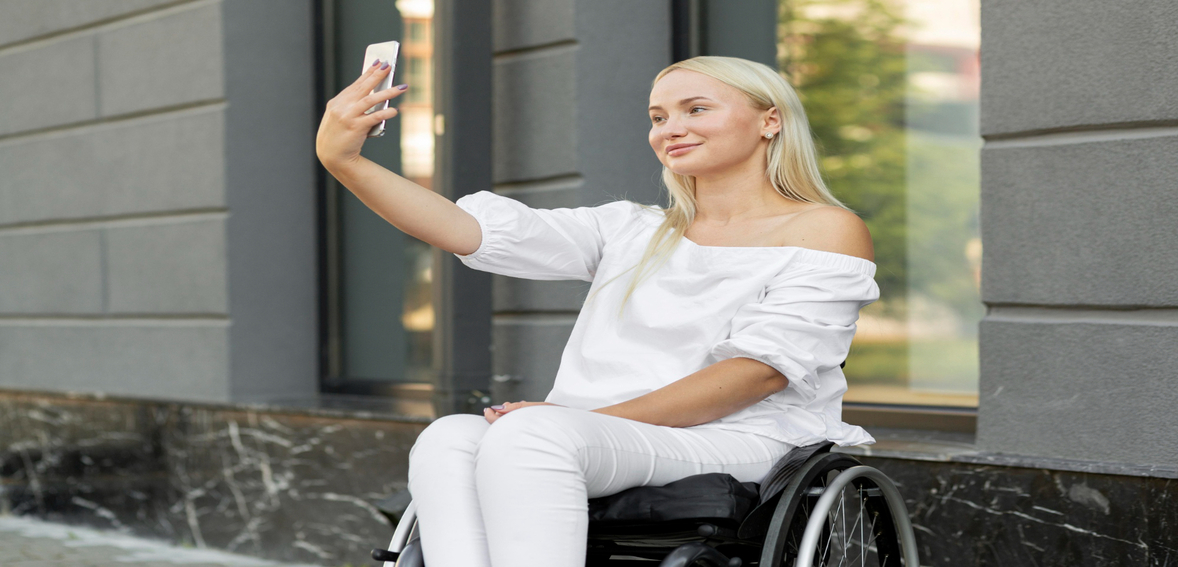
For years wheelchair users were barely represented in fashion advertising or design. Now that’s changing. Campaigns are featuring models who use wheelchairs and that’s a big message: you are seen and your needs matter.
Clothes as Confidence
When someone wears an outfit that fits and reflects who they are, it boosts confidence and mood. For wheelchair users access to that kind of clothing is powerful. It helps them show up as themselves in all areas of life – school, work, social circles and more.
Technology’s Role in Adaptive Wear
Innovation in fashion is not just about creative fabrics or cuts. Technology is playing an important role in designing better adaptive wear.
3D Body Scanning and Custom Fit
New tools like 3D body scanning allow designers to create personalized fits for wheelchair users, taking into account posture, pressure points, and unique physical needs. This makes it possible to offer clothes that feel truly tailored without the high price tag of custom tailoring.
Digital Clothing Design
Software tools now help designers model how clothing will look and behave on seated bodies before a single fabric is cut. This shortens production cycles and allows for more experimentation, leading to better, faster innovation in fashion for wheelchair users.
Shopping Experience and Accessibility
Accessibility in fashion goes beyond the clothes themselves. The way people shop also affects their experience with adaptive fashion.
Online Stores with Inclusive Interfaces
For many wheelchair users, shopping online is easier than navigating physical stores. But even online shopping must be inclusive. Websites should have screen-reader compatibility, easy-to-navigate layouts, and clear product descriptions that mention adaptive features.
In-Store Accessibility Matters Too
Retailers who want to be inclusive should ensure their physical locations are accessible. This includes wide aisles, fitting rooms that accommodate wheelchairs, and staff trained to assist with dignity and respect.
Inclusive Fashion Is Not Just a Trend
The growing demand for adaptive clothing is not a passing phase. It reflects a deeper shift in how we view accessibility, dignity, and inclusion.
The Push for Industry Standards
Advocacy groups and fashion organizations are beginning to push for formal standards in seated clothing design and adaptive wear. This will help guide brands and ensure consistency in what they offer, making it easier for consumers to find clothes that suit their needs.
Beyond Clothing: A Cultural Movement
What we wear is often tied to how we are perceived. When fashion for wheelchair users becomes part of mainstream collections, it signals a cultural move toward equality. It says that everyone deserves to feel stylish and comfortable, regardless of their mobility.
Future of Adaptive Wear
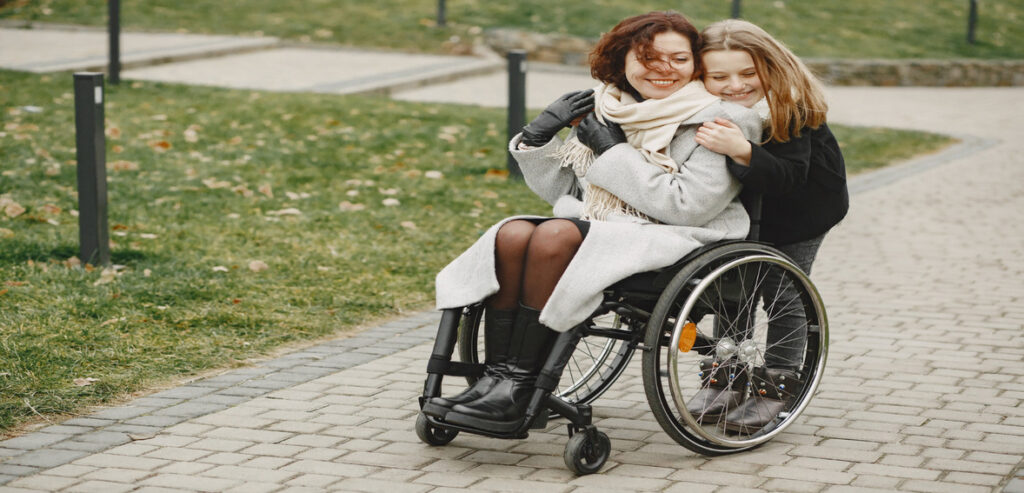
In the next few years we will see even more innovation in the adaptive fashion space. With new designers, better tech and more voices from the community the future looks good.
Customisable, Modular Clothing
The future may hold even more flexible options, like modular clothing that adapts to different situations, changing sleeve lengths, detachable panels or built in assistive features like pressure sensors.
More Collaboration
Collaboration between disability advocates and fashion houses will ensure authenticity at every stage of the design process. Real life feedback from users will continue to drive better solutions, keeping adaptive wear grounded in real needs not assumptions.
Conclusion
Inclusive fashion is about more than making clothes that fit different bodies. It’s about designing with empathy, listening to lived experiences, and offering choices that reflect individuality. For those who use wheelchairs, clothing should never be a compromise between function and style. The rise of fashion for wheelchair users, the evolution of adaptive wear, and the smart innovations in seated clothing design show that fashion is moving toward a more inclusive and thoughtful future. When everyone is considered in design, everyone wins.
Frequently Asked Questions
What is the difference between adaptive wear and regular clothing?
Adaptive wear is specifically designed to meet the needs of individuals with physical or cognitive disabilities. It includes features like magnetic closures, higher back rises, adjustable openings, and flat seams to accommodate seated posture and limited mobility. Regular clothing is generally created with standing, able-bodied users in mind, which can make it uncomfortable or impractical for wheelchair users.
Why is seated clothing design important for wheelchair users?
Seated clothing design takes into account the unique body posture and pressure points experienced by wheelchair users. Traditional clothes often cause bunching, discomfort, or even pressure sores when worn in a seated position. Clothing designed for sitting ensures a better fit, more comfort, and greater mobility throughout the day without compromising on appearance.
Are there affordable fashion options available for wheelchair users?
Yes, the market for fashion for wheelchair users has grown in recent years, and more brands; both mainstream and independent; are offering affordable options. While custom adaptive wear used to be expensive, increased demand and better technology have helped reduce costs. Many online retailers now provide stylish, functional pieces at accessible prices.