




Micro vs. Mega: Which Influencers Truly Shape Fashion Trends?
The fashion world thrives on influence. For decades, magazines, celebrities, and designers determined what people wore and how they styled themselves. Today, however, social media has reshaped that dynamic entirely. Platforms like Instagram, TikTok, and YouTube have given rise to influencers who dictate what is fashionable in real time. From everyday styling tips to global runway-inspired outfits, these influencers have become trendsetters with unprecedented power. Yet, within this new order, an important debate arises: are micro influencers fashion leaders who drive grassroots style movements, or do mega influencers style choices hold the true sway over global audiences?
The answer is not as straightforward as one might assume. Both groups play distinct but overlapping roles in shaping fashion trends. While mega influencers command millions of followers and often partner with luxury brands, micro influencers thrive in niche style communities, connecting with audiences through authenticity and relatability. Understanding the differences between these two types of influence is essential for brands, consumers, and the industry as a whole.
The Power of Micro Influencers in Fashion Trends
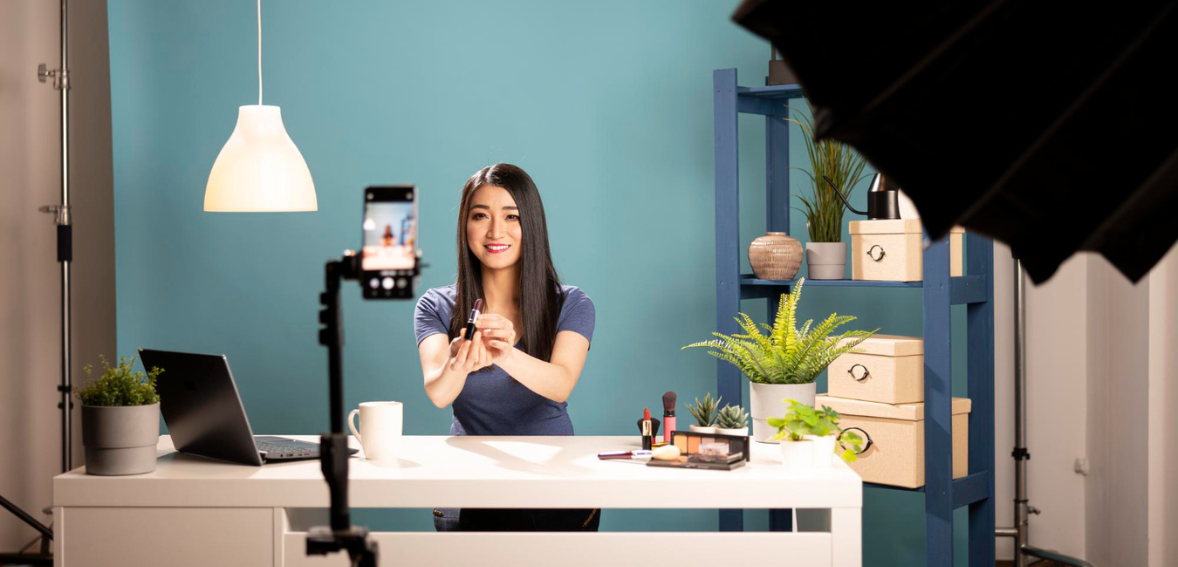
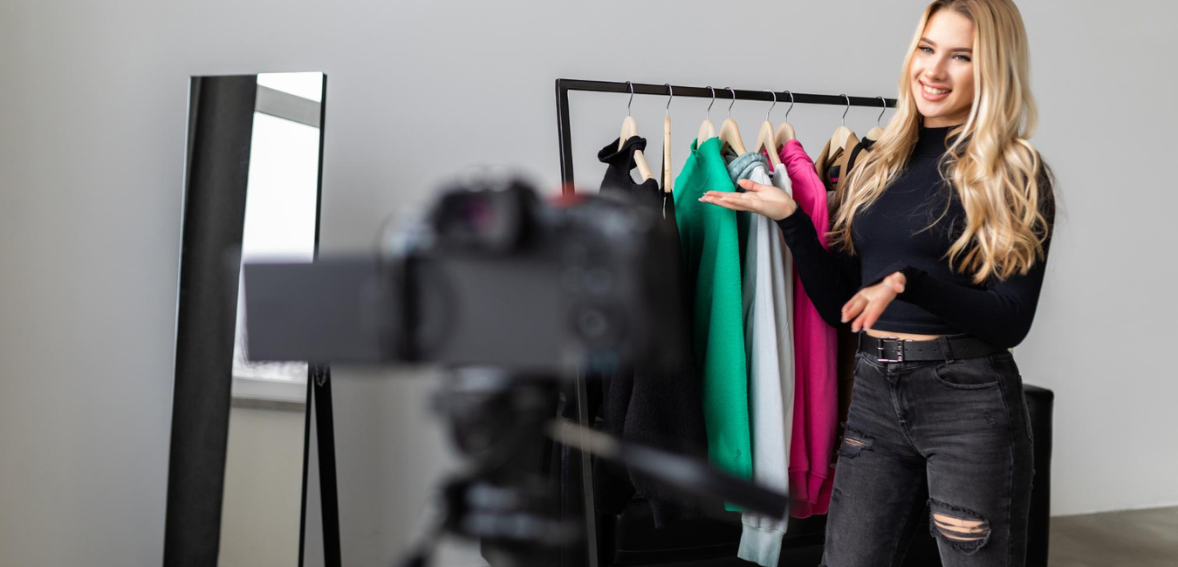
Micro influencers’ fashion strategies rely on intimacy and trust. With follower counts ranging from a few thousand to around one hundred thousand, they may not rival celebrities in numbers, but their impact comes from closer connections with their communities. These influencers are often everyday people who share their outfits, styling tips, or thrift store finds in ways that resonate with relatable audiences. Their followers engage deeply because the content feels approachable rather than aspirational.
In many cases, micro influencers become trend incubators within niche style communities. Whether it is vintage lovers, sustainable fashion advocates, or subcultures like streetwear enthusiasts, these influencers set microtrends that often grow into larger movements. Because their audiences trust them, recommendations carry more weight than highly polished campaigns. For brands, working with micro influencers can mean more targeted reach and higher engagement rates. This makes them valuable allies in an industry where authenticity is increasingly prized over perfection.
The Reach of Mega Influencers in Style
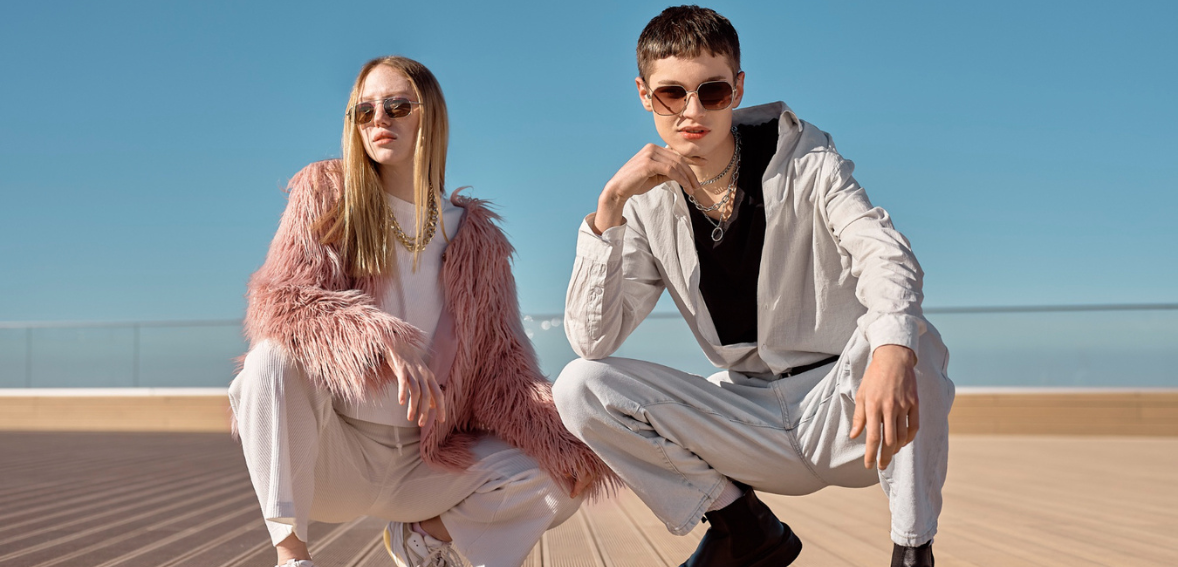
On the other end of the scale are mega influencers. With millions of followers, these are often celebrities, top models or global digital creators. They own the platforms with high production value, brand partnerships and aspirational lifestyles. Mega influencer style can create overnight trends, making specific looks or items mainstream in an instant.
Unlike micro influencers, mega influencers appeal to broad audiences, often crossing borders and cultures. A single post from a mega influencer wearing a new handbag or sneakers can create huge demand, sometimes selling out products in hours. Their collaborations with fashion houses also merge digital influence with traditional fashion systems. Micro influencers create grassroots trends, mega influencers globalise them, so what starts in small style communities ends up in the mainstream.
Niche Style Communities as Fashion Laboratories
Niche style communities are where innovation happens in fashion. They form around specific aesthetics like goth fashion, cottagecore or sustainable styling. Within them micro influencers are the stars, sharing looks that would never hit the runways of Paris or Milan but resonate with smaller audiences. The experimentation in these spaces is where new trends are born.
Interestingly mega influencers often draw from the same spaces. A style that starts in a subculture catches the eye of a celebrity or influencer with millions of followers and suddenly it’s global. This is how the two are connected. Micro influencers create authenticity and originality, mega influencers scale it. So micro influencers fashion content is where trends are born and mega influencers style platforms where trends go global.
Authenticity Versus Aspiration
One of the biggest differences between micro and mega influencers is the type of content they create. Micro influencers focus on relatability. Their followers feel like they’re getting advice from a friend, not a sales pitch. That’s what makes them valuable in niche style communities where trust and personal expression is key. Micro influencers fashion choices highlight affordability, accessibility and sustainability so they appeal to a wide audience.
Mega influencers style personas are built on aspiration. Their followers admire their glamorous lives, expensive wardrobes and exclusive brand collaborations. That can be inspiring but also creates distance. Not everyone can be a celebrity attending a luxury fashion show but many can adopt a styling tip from a micro influencer showing how to mix high street with thrifted finds. The dynamic between authenticity and aspiration is why both types of influencers are needed to shape fashion.
Engagement Rates and Influence Depth
In marketing and trend analysis, numbers don’t always tell the whole story. Mega influencers have big reach, but their engagement rates are often lackluster compared to micro influencers. A micro influencer with 20,000 followers might get more comments, likes and direct messages than a mega influencer with 2 million followers. This is because micro influencers have stronger relationships within their niche communities.
Brands are realising that micro influencer fashion content drives purchasing behaviour more than celebrity endorsements. It’s because a follower is more likely to try a product recommended by someone who feels like a peer. Meanwhile mega influencer campaigns still have visibility, so brands get awareness and prestige. Together they create a layered ecosystem where micro influencers build loyalty and mega influencers broadcast mass appeal. Both engagement and reach matter, but in different ways.
The Economics of Micro and Mega Collaborations
Financial influencer marketing also plays a part. Working with micro influencers fashion figures is often more cost effective, so smaller brands can work with multiple people across different style niches. This spreads the risk and taps into different audiences so campaigns feel diverse and inclusive. Micro collaborations are perfect for emerging brands that want grassroots support before scaling up.
On the other hand mega influencer style partnerships are expensive but deliver immediate global exposure. A luxury brand will spend millions on one collaboration knowing the visibility will reinforce their prestige. These collaborations often blur the lines between digital and traditional media, appearing in social feeds and fashion mags. The financial divide between micro and mega influencers is the same as the divide between accessibility and exclusivity in fashion. Brands must weigh up their goals when choosing who to work with.
Trend Creation Versus Trend Amplification
A big difference between micro and mega influencers is how they contribute to the fashion cycle. Micro influencers are trendsetters. They introduce new aesthetics, promote sustainable options or show styles that haven’t been seen in mainstream media. Within their niche style communities they set the tone for what’s to come. Micro influencers fashion movements spread organically, build credibility as they gain momentum.
Meanwhile mega influencers style platforms amplify. They take emerging ideas and project them to millions. A micro influencer may popularise a certain type of upcycled jacket but it becomes a mainstream sensation only after a mega influencer wears it to a big event. This is the layered system of influence: micro sets the pace and mega scales it up. Both are needed for a trend to go from nowhere to everywhere.
The Role of Social Media Algorithms
Social media decides which influencers set the fashion trends. Algorithms reward engagement and micro influencers win because their followers engage more. A viral TikTok from a micro influencer in a niche community can reach millions beyond their original audience, that’s how fast grassroots content spreads.
At the same time algorithms favor consistency and high production value, areas where mega influencers style creators excel. Their content dominates feeds and they stay visible even if their engagement rates are lower. That’s why both types of influencers thrive online. Micro influencers fashion voices can surprise algorithms with authenticity, mega influencers sustain visibility with professional, brand backed campaigns. Together they keep the digital fashion ecosystem diverse and fun.
Consumer Perspectives on Trust and Influence
From the consumer’s perspective trust is the key to influence. People go to micro influencers for fashion advice because they seem real, unfiltered and often affordable. In niche style communities followers feel micro influencers share honest opinions not scripted promotions. This is what gives micro influencers their longevity in fashion.
Mega influencers style endorsements are viewed with suspicion. While they may be admired for their glamour, audiences know many mega partnerships are sponsored. But that doesn’t diminish their ability to drive sales especially for luxury where brand association is more important than authenticity. The consumer perspective highlights the duality of influence: trust and relatability vs aspiration and prestige. Both are important in shaping fashion trends.
Case Studies in Fashion Influence
Here are a few real world examples of the micro and mega influencer play. The rise of sustainable fashion brands has been driven by micro influencers in the eco-conscious style communities. They show thrifted outfits, upcycled clothing and transparent production practices and create momentum for ethical consumption. These grassroots movements later get picked up by mega influencers who bring them to the global stage.
Similarly luxury collaborations thrive on the weight of mega influencers style authority. When a celebrity endorses a collection it gets instant visibility and desirability. But even in those cases the groundwork for the trend often starts with smaller influencers in their communities. These case studies show that the relationship between micro and mega is not competitive but complementary. Each plays a role in the bigger fashion ecosystem and proves that influence operates at multiple levels at once.
The Future of Fashion Influence
Looking ahead, the divide between micro and mega influencers will likely blur as the industry continues to evolve. Brands are increasingly adopting hybrid strategies, working with both grassroots voices and global icons. Micro influencers fashion campaigns will remain critical in building credibility, especially in niche style communities, while mega influencers style endorsements will ensure visibility at scale.
The future may also see greater emphasis on authenticity as consumers demand transparency in brand partnerships. Micro influencers will continue to thrive by staying true to their communities, while mega influencers may adapt by showing more unfiltered, personal content. Together, they will shape an industry that values diversity, inclusivity, and accessibility alongside prestige. The balance between micro and mega influence will define the next chapter in how fashion trends are created, shared, and embraced worldwide.
The Impact of Influencer Collaborations on Brands
Collaborations between influencers and fashion brands have become one of the most defining strategies of the digital age. When micro influencers fashion content creators partner with emerging labels, the impact is usually targeted but powerful. Their recommendations often lead to higher conversion rates because followers see the partnership as genuine and relatable. A micro influencer promoting a sustainable clothing line within niche style communities brings immediate credibility to the brand, especially among eco-conscious audiences.
For mega influencers style collaborations, the effect is global visibility. When a celebrity launches a limited-edition line with a luxury brand, the buzz extends across media platforms, reaching audiences far beyond social media. These collaborations often create high demand and reinforce a sense of prestige. However, they can also attract criticism if perceived as purely commercial. The contrasting outcomes highlight the importance of aligning partnerships with influencer authenticity and audience expectations. Ultimately, collaborations show how influencers at every level are integral to brand storytelling, with micro voices delivering relatability and mega voices offering scale.
Shaping Consumer Buying Behavior
One of the clearest outcomes of influencer culture is its effect on how people shop. Micro influencers fashion creators play a key role in promoting affordability and accessibility. They often showcase how to style thrifted pieces or combine budget-friendly items with trendy staples, giving audiences practical ways to adopt new looks. Their relatability drives followers to make confident purchases, knowing the influencer is presenting realistic styling.
In contrast, mega influencers style personas shape aspirational buying behavior. When a mega influencer showcases a luxury bag or high-end collaboration, it sparks desire even if followers cannot immediately afford the item. Many consumers save up, buy similar products, or engage in aspirational window shopping. Meanwhile, in niche style communities, consumer behavior is more values-driven. Followers may prioritize ethical production, secondhand shopping, or unique aesthetics, often inspired by micro voices. Collectively, these influences shift the way people perceive fashion consumption; from practical everyday styling to aspirational investment pieces; demonstrating how influencer categories complement one another in shaping behavior.
The Role of Storytelling in Fashion Influence
Storytelling has always been central to fashion, and influencers have redefined how these stories are told. Micro influencers fashion storytelling often feels personal, weaving in experiences about thrifting, sustainability, or finding confidence through style. Within niche style communities, these narratives create belonging and inspire followers to see fashion as an extension of identity rather than just consumption. Their posts may not feature expensive production but resonate deeply due to their authenticity.
Meanwhile, mega influencers style storytelling focuses on aspirational journeys. They share experiences from attending fashion weeks, partnering with iconic designers, or showcasing global travel looks. These stories carry glamour and exclusivity, positioning fashion as a lifestyle. While the approaches differ, both forms of storytelling are crucial. Micro voices inspire through relatability, and mega voices inspire through aspiration. Together, they ensure fashion remains dynamic, offering both everyday practicality and high-end fantasy. This balance highlights the role of storytelling as a bridge between creators and consumers, making influence more than outfits; it becomes a narrative about values, lifestyle, and identity.
Future Challenges for Micro and Mega Influencers
Despite their impact, influencers face challenges as the industry matures. For micro influencers fashion, scaling influence without losing authenticity is difficult. As they gain more followers and brand deals, audiences may question whether they remain relatable. Maintaining trust within niche style communities requires careful balance, as over-commercialization risks alienating loyal followers.
For mega influencers style leaders, challenges include maintaining credibility and keeping audiences engaged in an oversaturated market. Consumers are increasingly critical of paid promotions and want transparency. Additionally, mega influencers must adapt to rapidly changing platforms and shifting consumer preferences. Both groups also face pressure from new technologies like AI-generated fashion content and the rise of digital-first fashion brands. As the landscape evolves, micro and mega influencers will need to innovate while staying true to their roots. For micro voices, that means staying grounded in authenticity, and for mega voices, it means blending scale with more relatable narratives. These challenges will shape the future of influencer culture and determine who continues to set fashion’s agenda.
Conclusion
The influence of micro and mega influencers in fashion lies not in competition but in their complementary roles. Micro influencers drive authenticity, relatability, and niche creativity, fostering grassroots style communities where trends originate. Mega influencers, by contrast, excel at amplifying these ideas, transforming them into global movements. Together, they form the dual engines of modern fashion influence; micro influencers building trust and originality, and mega influencers spreading trends to the mainstream. For both brands and consumers, recognizing this balance is essential to navigating fashion’s dynamic ecosystem. In today’s digital era, fashion influence is collaborative, shared across scales, and constantly evolving.