








Religious Attire and Fashion: Modesty, Expression, and the Changing Landscape of Faith-Based Style
Fashion has consistently served as a strong medium for personal expression, embodying unique identities, cultures, and convictions. Among the various factors influencing fashion, religion significantly affects what is deemed appropriate, modest, and respectful. Throughout the years, religious clothing has transformed from rigid traditional outfits to contemporary versions, effortlessly merging spirituality and style.
The Significance of Religious Attire
Religious attire has long been a symbol of devotion, discipline, and cultural identity. Different faiths have their own dress codes, which are deeply rooted in religious teachings and societal norms. Whether it is the hijab in Islam, the turban in Sikhism, the habit in Christianity, or the kippah in Judaism, these garments serve both spiritual and cultural purposes.
Religious attire is often seen as a way to maintain modesty, a principle emphasized in many faiths. However, it is also a form of cultural expression that connects individuals to their heritage. As societies evolve, the interpretation of religious clothing continues to adapt, balancing traditional values with modern aesthetics.
Modest Fashion: A Growing Trend
The goal of modest fashion is to embrace a personal style that is consistent with one’s values and beliefs, not just to cover up. It enables people to follow current fashion trends and still express their faith. People now feel free to try out looks that are a reflection of their cultural background and their current identities thanks to the acceptance of modest fashion. By layering, accessorizing, or selecting particular textiles, modest fashion has developed into a flourishing sector that combines innovation and tradition.
The Shift Towards Modern Modesty
Modest fashion has gained immense popularity in recent years, moving beyond religious communities to mainstream fashion. The term “modest fashion” refers to clothing that provides full coverage while still being stylish and trendy. It appeals to individuals who prefer dressing conservatively without compromising on style.
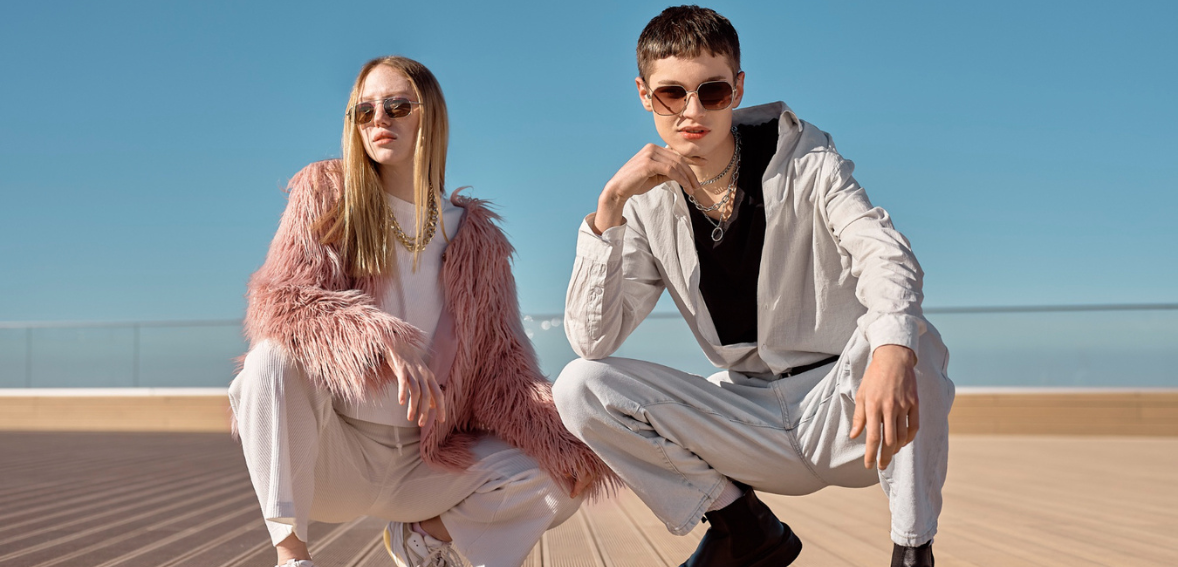
The demand for modest fashion has led to a booming industry, with major brands and designers creating collections that cater to faith-conscious consumers. From maxi dresses to loose-fitting tunics, the options for modest fashion are diverse and inclusive. This shift has also led to an increase in the representation of modestly dressed models in fashion campaigns, further normalizing faith-based styles.
The Role of Social Media and Influencers
Social media has played a crucial role in popularizing modest fashion. Influencers and bloggers from different faith backgrounds showcase their unique styles, making religious attire more accessible and fashionable. Platforms like Instagram and TikTok are filled with content on how to style hijabs, layer outfits, and incorporate cultural elements into everyday wear.
Faith-based fashion influencers not only promote modest clothing but also challenge stereotypes associated with religious attire. They highlight how modest fashion can be both trendy and empowering, encouraging more people to embrace their religious identity through fashion.
Faith and Fashion: A Harmonious Blend
The relationship between faith and fashion has always been complex, with clothing reflecting one’s spiritual identity and personal beliefs. Religious clothing is seen by some as a sign of devotion, but by others as a potent way to embrace both tradition and modernity. As a result of striking a balance between religious duty and individuality, the fashion industry is changing and faith-based fashion is now celebrated in creative and inclusive ways rather than being restricted to strict interpretations.
The Hijab and Its Evolving Trends
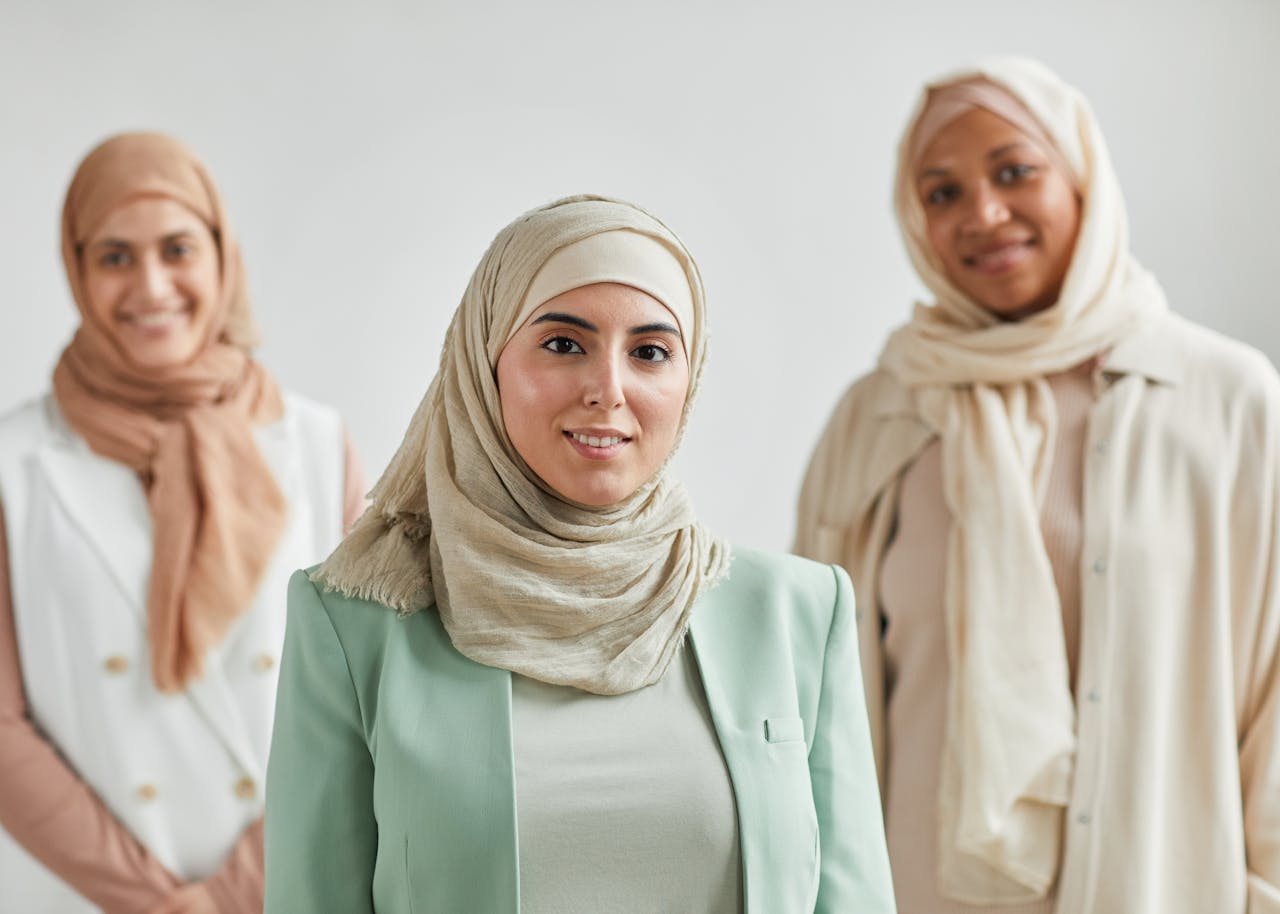
The hijab, a headscarf worn by many Muslim women, is a prominent example of the intersection between faith and fashion. Traditionally seen as a religious obligation, the hijab has undergone a transformation in recent years, becoming a fashion statement as well.
Hijab trends now include a variety of fabrics, colors, and styling techniques, allowing for individual expression while maintaining modesty. Fashion designers worldwide have embraced the hijab, incorporating it into high-fashion collections and global campaigns. The growing acceptance of hijabi models on runways and in advertisements signifies a progressive change in the fashion industry, where religious attire is not seen as restrictive but as a source of inspiration.
Other Religious Attire in Fashion
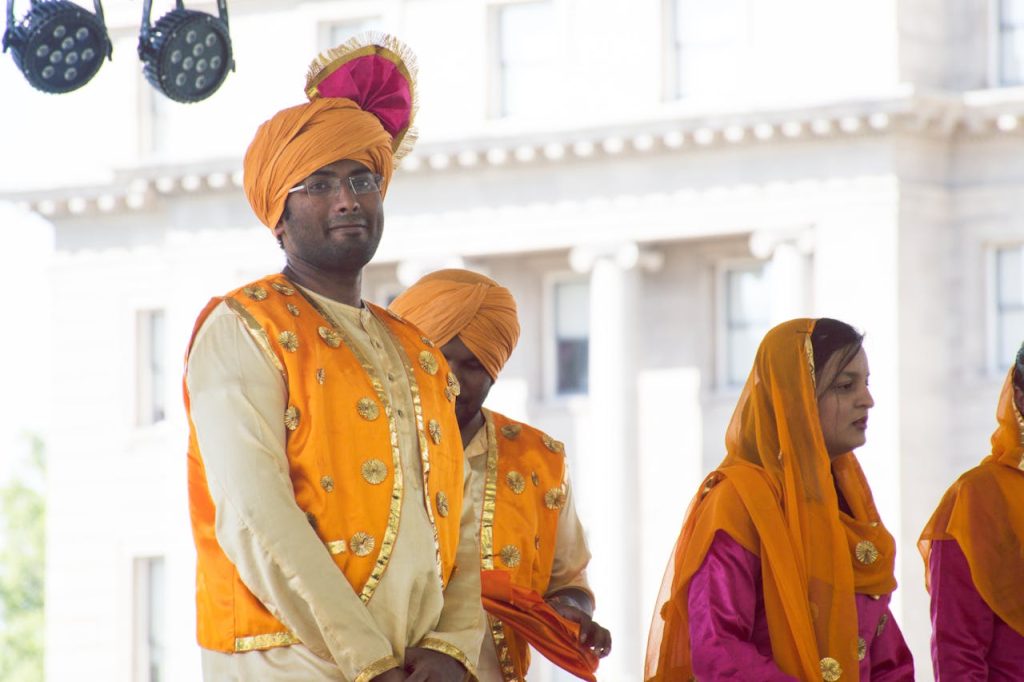
Beyond the hijab, other religious garments have also gained prominence in the fashion industry. The Sikh turban, traditionally a symbol of faith and honor, is now being styled in contemporary ways. Similarly, Christian habits and Jewish head coverings are being reinterpreted to align with modern fashion sensibilities while preserving their religious significance.
The incorporation of religious attire into mainstream fashion highlights the adaptability of faith-based clothing. While some critics argue that religious attire should not be commercialized, others believe that this evolution helps in breaking stereotypes and fostering inclusivity.
The Cultural Expression of Modest Fashion
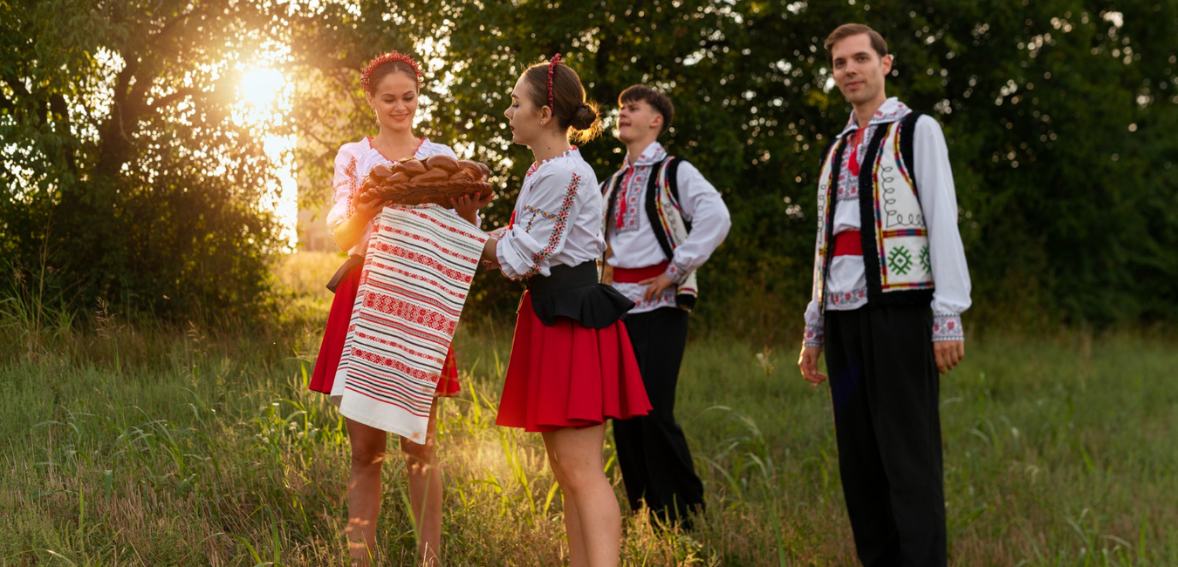
Modest fashion is a form of cultural and personal expression as well as a way to uphold religious principles. People from different backgrounds express their identity, heritage, and beliefs through their clothes. Through particular fabric selections, embroidery designs, or classic silhouettes, modest fashion acts as a link between modern fashion and religious beliefs. Modest fashion is a major trend in today’s varied fashion scene because of this fusion, which enables people to embrace contemporary trends while remaining true to their heritage.
Representation and Diversity in Fashion
Fashion has the power to shape perceptions and influence societal norms. The increasing representation of modest fashion in global campaigns signifies a shift toward diversity and inclusion. More brands are recognizing the importance of catering to consumers from different religious and cultural backgrounds.
Diverse representation allows individuals to see themselves reflected in the fashion industry, making faith-based clothing more accepted and celebrated. This shift is not just about aesthetics but also about acknowledging the importance of cultural expression in a globalized world.
Challenges and Controversies
Despite the growing acceptance of religious attire in fashion, challenges remain. Some societies still view modest fashion as a form of oppression rather than a personal choice. The banning of religious clothing in certain countries has sparked debates on freedom of expression and religious rights.
Additionally, there is a fine line between appreciation and appropriation. When fashion brands incorporate religious attire without understanding its significance, it can lead to controversy. Ensuring that faith-based fashion is represented respectfully is essential to maintaining its cultural and religious value.

The Future of Faith-Based Fashion
Faith-based fashion is changing quickly, reflecting both advances in technology and cultural changes. Although religious clothing still retains its traditional meaning, how it is presented and made available has changed significantly. Faith-based fashion is no longer viewed as a niche market but rather as a vibrant sector that has the ability to influence mainstream fashion in the future due to its growing global recognition and acceptance.
Sustainability and Ethical Production
As the fashion industry moves towards sustainability, faith-based fashion is also evolving. Many modest fashion brands are now focusing on ethical production, using sustainable fabrics and fair labor practices. This aligns with the values of many religious communities that emphasize responsible consumption and ethical living.
Eco-friendly modest fashion is gaining traction, with brands offering stylish yet sustainable clothing options. Consumers are increasingly aware of the impact of fast fashion and are seeking out brands that align with their ethical and religious beliefs.
The Role of Technology in Modest Fashion
Technology is playing a crucial role in the evolution of modest fashion. Virtual fitting rooms, AI-driven fashion recommendations, and online communities dedicated to faith-based fashion are making it easier for individuals to find clothing that aligns with their values.
E-commerce platforms catering specifically to modest fashion are growing rapidly, providing consumers with a wide range of options. This digital transformation has made religious attire more accessible, allowing people from different parts of the world to connect through shared fashion choices.
Conclusion
Faith has influenced fashion choices for centuries, demonstrating the close relationship between religion and fashion. As modest fashion becomes more widely accepted, it keeps changing, fusing old and new styles. Religious clothing is now a dynamic expression of identity, culture, and personal preference rather than being limited to rigid interpretations.
An inclusive future where faith and fashion coexist peacefully is indicated by the rise of hijab trends, the acceptance of various religious clothing in fashion, and the expansion of ethical modest fashion. Even though there are still obstacles to overcome, the continuous discussion about religious clothing and cultural expression guarantees that faith-based fashion will continue to thrive in a world that is constantly evolving.