









The Politics of Dress: How Fashion Reflects Cultural Identity and Resistance
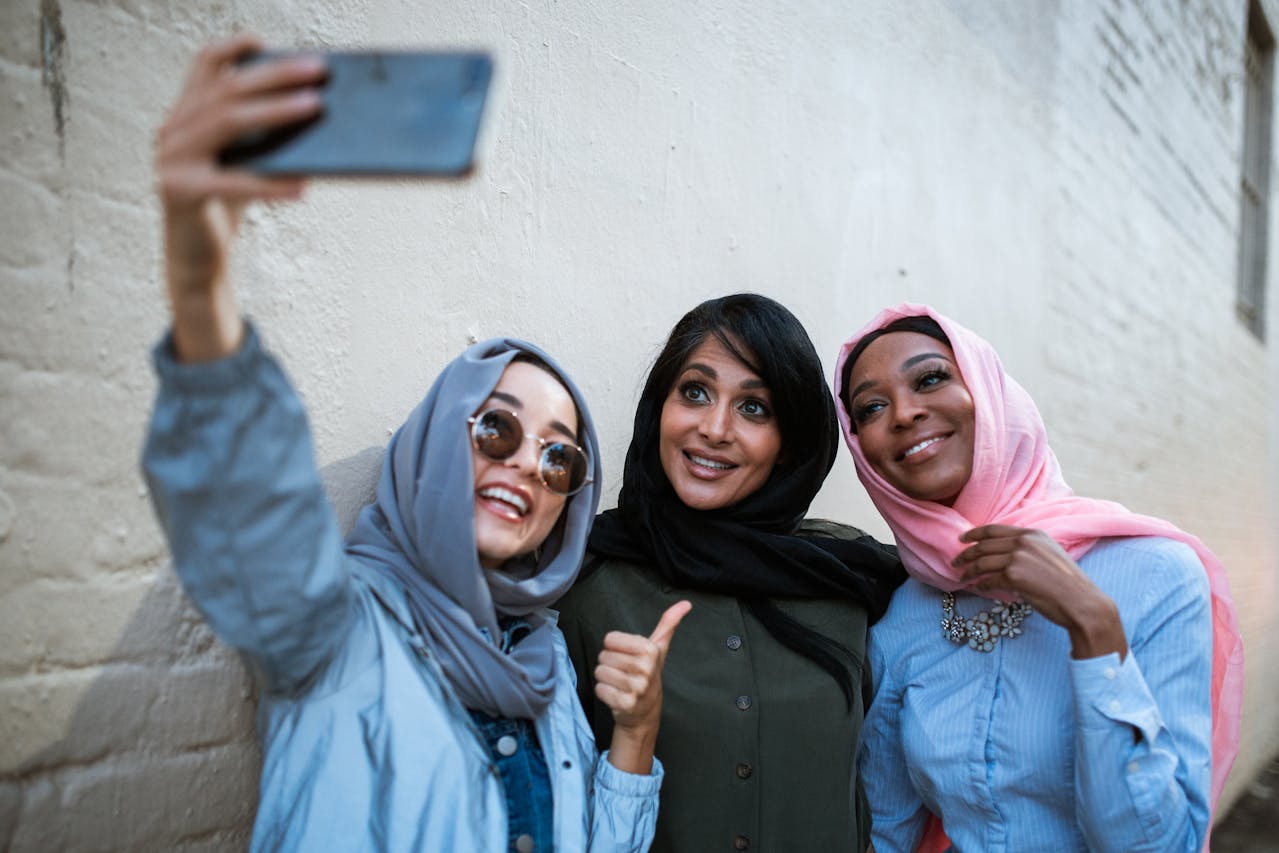
Fashion goes beyond mere fabric and current trends; it serves as a potent language that conveys cultural identity, social change, and political resistance. Throughout history, clothing has functioned as a means of showcasing national pride, challenging authority, and safeguarding heritage. Through traditional clothing, symbolic outfits, or fashion statements for protest, our choice of dress carries profound meanings that go beyond individual style.
The Role of Fashion in Cultural Identity
Fashion plays a crucial role in how individuals convey their identity, origins, and values. Throughout various cultures, attire acts as a visual symbol of identity, reinforcing the distinct values and beliefs inherent to different communities. How individuals choose to dress frequently represents more than simple choice; it expresses a common heritage and collective remembrance that sustains traditions.
In various aspects, fashion mirrors cultural heritage, progressing through time yet preserving a profound link to its origins.
Clothing as a Marker of Heritage
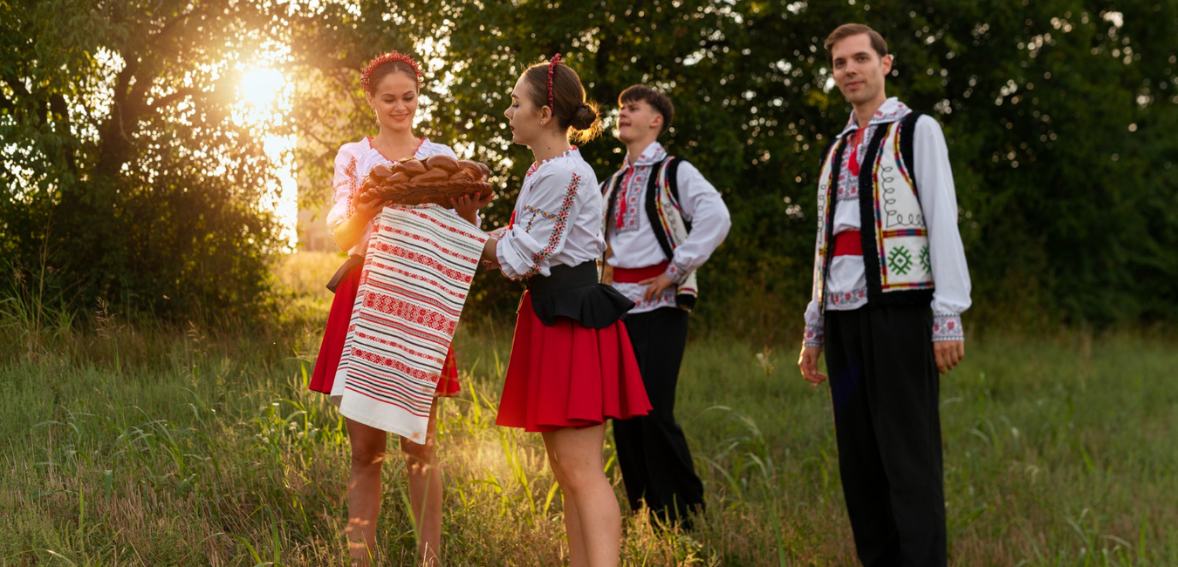
Clothing is one of the most visible aspects of cultural identity. Traditional garments symbolize historical connections, customs, and social values that define a community. From the vibrant kimonos of Japan to the intricate embroidery of Mexican huipils, national dress plays a crucial role in preserving heritage and passing down cultural knowledge through generations.
The significance of traditional clothing extends beyond aesthetics. In many cultures, garments are linked to rituals, ceremonies, and status. The Maasai people of East Africa, for example, wear distinctive shúkàs that reflect age, marital status, and warrior achievements. Similarly, the Scottish kilt serves as an emblem of clan identity and national pride.
Political Fashion: Clothing as a Symbol of Power
Fashion has historically been connected to politics, used by leaders and movements to assert power, convey ideology, and bring communities together. Political leaders frequently utilize clothing to communicate messages of strength and unity.
In India, Mahatma Gandhi’s embrace of simple khadi clothing represented self-sufficiency and defiance of British colonial authority. His fashion selection inspired Indians to support local textile industries, transforming fashion into a means of economic and political empowerment.
In more recent times, politicians and activists have used fashion to align themselves with specific ideologies. The Black Panther Party in the 1960s and 1970s adopted black leather jackets and berets to project strength and unity. Their distinctive attire became a visual representation of Black pride and resistance against systemic oppression.
National Dress: A Reflection of Identity and Patriotism
National dress is often more than just clothing; it is a living testament to a country’s history, its people’s resilience, and their connection to the past. The way national dress is embraced and preserved can reflect a nation’s sense of pride and collective memory. In times of political upheaval or cultural assimilation, wearing traditional attire can be a powerful statement of identity and belonging.
Even as modernization influences fashion choices, national dress continues to serve as a bridge between past traditions and present realities, fostering a deeper appreciation for one’s roots.
The Significance of National Attire
National dress is more than just traditional clothing; it embodies a country’s history, values, and struggles. Whether worn daily or reserved for special occasions, these garments foster a sense of belonging and pride.
For instance, the Korean hanbok represents the harmony and grace of Korean culture, while the Norwegian bunad reflects regional identities within Norway. The sari, deeply embedded in South Asian heritage, is not only a fashion statement but also a symbol of femininity and cultural continuity.
Revival and Adaptation of National Dress
Globalization shaping fashion trends has led to numerous traditional garments being modernized. While certain individuals mourn the decline of authenticity, others view this transformation as a means to preserve cultural identity in modern contexts. Designers globally combine traditional features with contemporary styles, rendering national attire more approachable for younger generations.
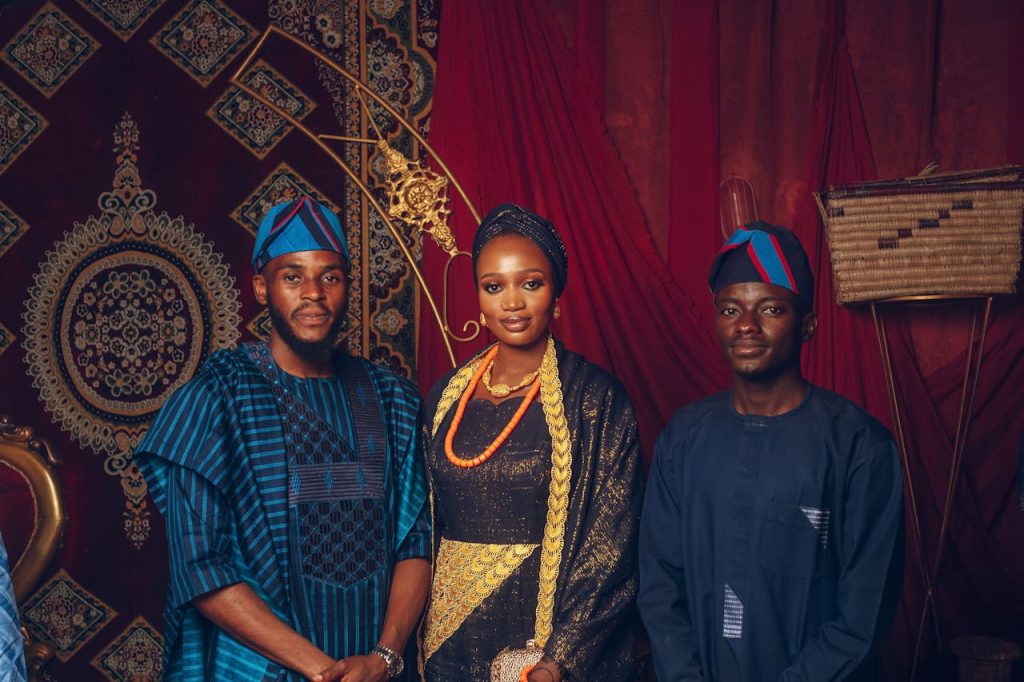
For example, Nigerian designers have redefined the agbada and Ankara prints, infusing them with contemporary cuts that appeal to global audiences. Similarly, Indigenous designers in North America incorporate traditional beadwork into modern fashion, ensuring that heritage remains relevant and celebrated.
Resistance Clothing: Fashion as a Political Statement
Fashion has always been an avenue for self-expression, but when combined with political and social movements, it transforms into a statement of defiance and solidarity. From historical revolutions to modern protests, resistance clothing helps individuals and groups communicate their beliefs and challenge societal norms. By donning specific attire, people not only express their stance but also create a collective identity that strengthens their movement.
Clothing as a Form of Protest
Throughout history, resistance movements have used fashion to challenge authority and fight for justice. Whether through symbolic colors, banned materials, or slogans, protest fashion serves as a powerful visual tool for advocacy. A prominent example is the suffragette movement during the early 20th century.
Women advocating for voting rights donned white to represent purity and their mission. The “Pussyhat Project” at the Women’s March in 2017 utilized pink knitted hats as an emblem of feminist opposition.
Another example is the adoption of black clothing during anti-government protests in Hong Kong. Protesters dressed in black to show solidarity and defiance against oppressive policies. This simple yet effective uniform became synonymous with resistance and unity.
The Role of Fashion in Social Movements
Fashion is an essential element of social movements, uniting individuals under a shared cause. The LGBTQ+ community, for instance, uses rainbow-colored clothing as a celebration of identity and a statement against discrimination. Similarly, environmental activists opt for sustainable fashion choices to protest against the fast fashion industry’s harmful impact on the planet.
The power of resistance clothing lies in its ability to turn everyday garments into symbols of change. Whether through slogan t-shirts, armbands, or DIY outfits, fashion empowers people to visually communicate their stance on critical issues.
Heritage Pride and the Reclaiming of Cultural Fashion
Cultural fashion is closely linked to history, embodying the traditions and beliefs of various communities. In a time of globalization, numerous communities are redefining their heritage through fashion as a way to express identity and cultivate pride.
The revival of traditional garments and fabrics not only brings back forgotten customs but also enables artisans and communities to reclaim their cultural stories.
Reviving Traditional Textiles and Techniques
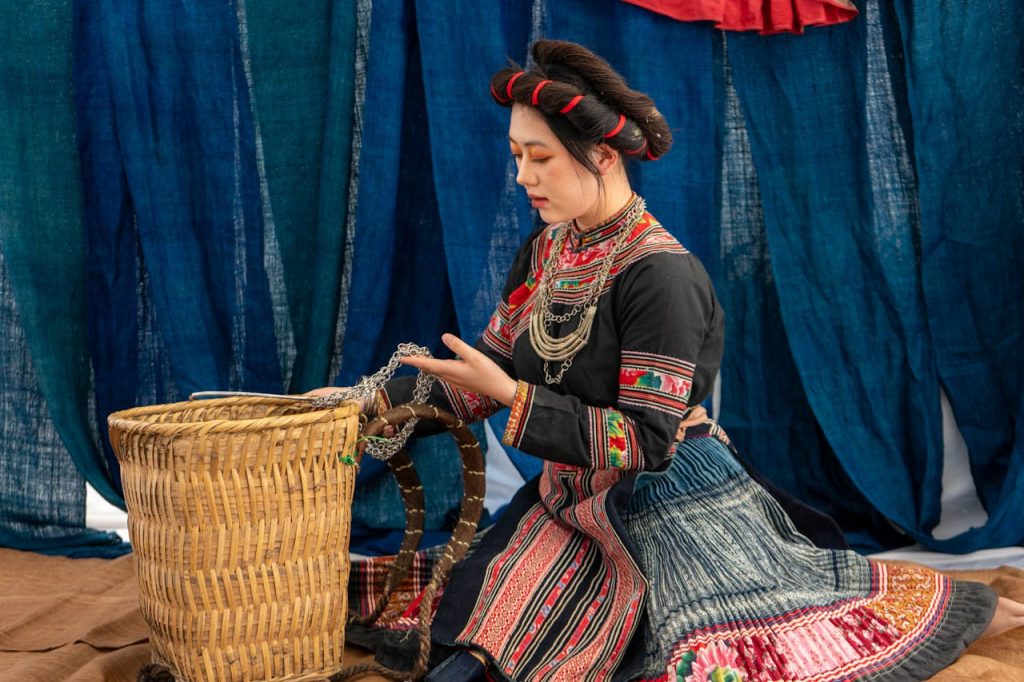
Many communities are actively working to revive traditional textiles and craftsmanship to preserve their cultural heritage. This movement is not just about fashion but about safeguarding history, skills, and livelihoods. For example, Indigenous weavers in Guatemala continue to create intricate textiles that tell stories of their ancestry. In India, handloom artisans are reclaiming their space in the industry by promoting handwoven fabrics like Banarasi silk and Chanderi cotton.
Fashion designers worldwide collaborate with local artisans to ensure these techniques survive modernization. By wearing and promoting these traditional crafts, individuals express their cultural identity while supporting ethical fashion.
The Globalization of Cultural Fashion
Although cultural fashion is a point of pride, it frequently encounters difficulties because of cultural appropriation. The worldwide fashion industry often takes inspiration from marginalized cultures without appropriate recognition or recompense.
However, many communities are reclaiming their narratives by producing and selling their cultural garments themselves. Online platforms allow Indigenous and local designers to showcase their work to global audiences, ensuring that cultural appreciation replaces appropriation.
Fashion as an Evolving Political and Cultural Force
Fashion continues to serve as a dynamic medium for expressing cultural narratives and political ideologies. The evolution of clothing trends often mirrors shifts in societal values, reflecting movements for equality, environmental consciousness, and heritage preservation. As globalization and digital influence reshape the fashion industry, the dialogue around ethical production and cultural representation is more relevant than ever.
The Future of Political Fashion
Fashion’s role in politics and cultural identity is constantly evolving. As societies grow more conscious of representation, sustainability, and heritage, the fashion industry adapts to these values.
Movements advocating for ethical fashion, diverse representation, and the decolonization of attire are gaining traction. Consumers are increasingly recognizing the effects of their fashion decisions, choosing brands that honor cultural traditions and promote equitable labor practices.
Embracing Cultural Identity Through Fashion
Ultimately, fashion will always be a powerful tool for expressing cultural identity and resistance. Whether through national dress, protest fashion, or heritage garments, clothing allows individuals and communities to tell their stories, challenge societal norms, and celebrate their roots.
As we move forward, embracing diverse cultural expressions in fashion while respecting their origins will ensure that clothing remains a meaningful and unifying force in society.
Conclusion
Fashion goes beyond trends; it represents identity, history, and a form of resistance. From traditional attire that reflects cultural pride to political apparel that confronts the norm, clothing is essential in influencing cultural stories.
By comprehending and valuing the profound significance of our clothing, we can recognize fashion not merely as a visual preference but as a vibrant representation of the various cultures and challenges in the world.