









Indigenous Fashion on the World Stage: From Margins to Mainstream
Historically, the international fashion industry has ignored indigenous fashion, often dismissing it as a specialized or cultural artifact rather than a valid and vibrant industry. But in recent years, local designers have become well-known throughout the world, elevating ethical fashion and traditional textiles to the fore of popular culture. Indigenous fashion is growing in popularity for reasons other than aesthetics, such as sustainability and cultural preservation.
The Roots of Indigenous Fashion
The journey of indigenous fashion is deeply intertwined with cultural heritage, artistic expression, and the preservation of ancestral knowledge. It represents more than just clothing—it embodies centuries-old traditions, weaving history into every fabric and stitch. As indigenous designers gain recognition, their work highlights the significance of traditional textiles and ethical fashion in modern industries.
Cultural Significance of Traditional Textiles
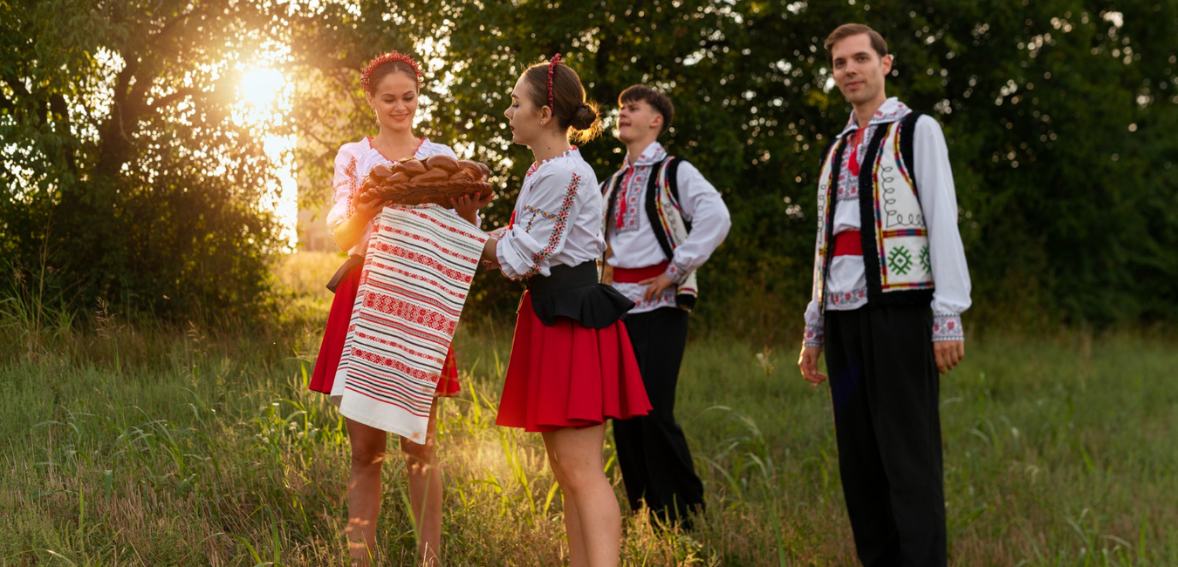
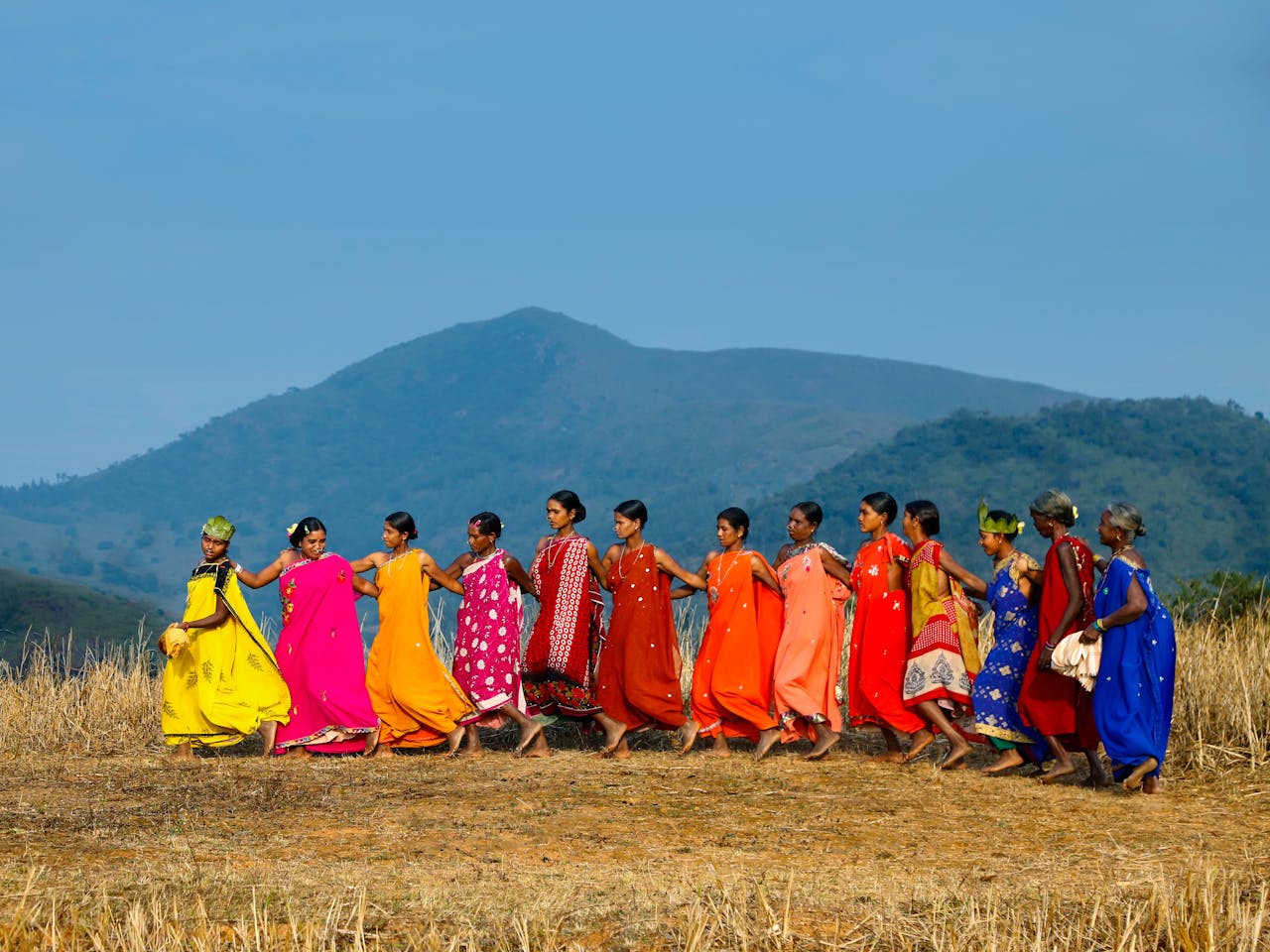
Indigenous fashion is deeply rooted in traditional textiles, which carry centuries of history, cultural symbolism, and artistic expression. From the intricate beadwork of Native American tribes to the vibrant woven fabrics of the Andes, traditional textiles are more than just clothing—they are a means of storytelling and identity. These textiles are often handmade using techniques passed down through generations, preserving cultural heritage and supporting indigenous communities.
The Role of Indigenous Designers in Cultural Preservation
In order to preserve their customs while updating them for modern fashion, indigenous designers are essential. They create a link between the past and present by incorporating traditional textiles into contemporary designs. In addition to showcasing their culture, this gives native craftspeople financial opportunities. In keeping with the global trend toward responsible consumption, many designers place a strong emphasis on ethical fashion by guaranteeing sustainable practices and fair wages.
Breaking Barriers: Indigenous Fashion in the Global Market
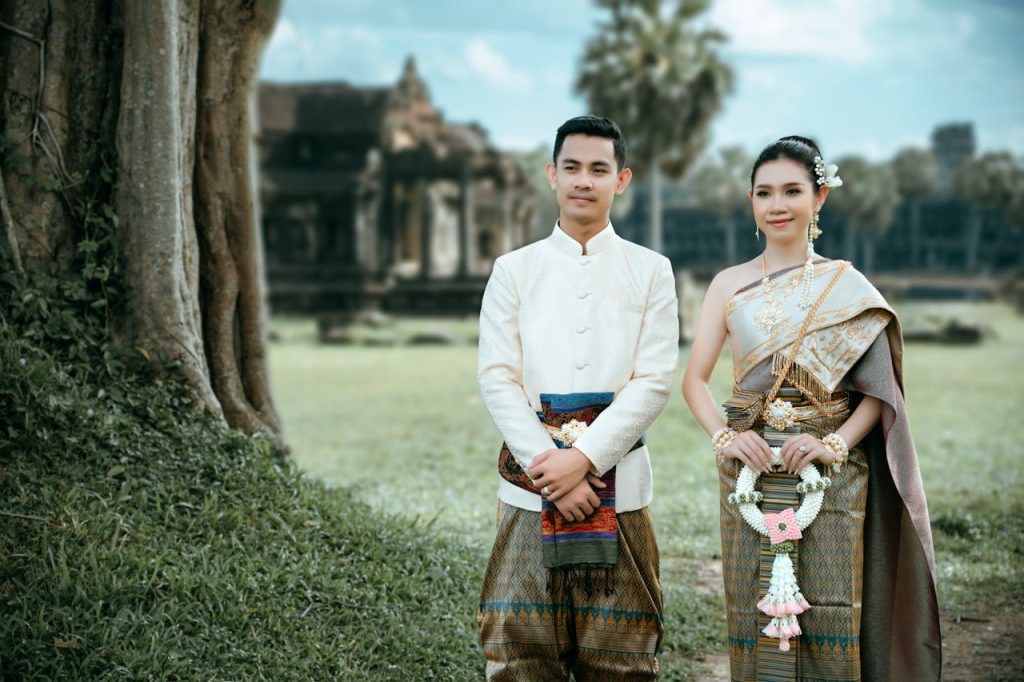
The journey of indigenous fashion from local communities to the global stage has been marked by resilience, creativity, and an unwavering commitment to cultural authenticity. Indigenous designers have challenged industry norms, fought against cultural appropriation, and navigated financial constraints to establish themselves in the competitive world of fashion. Their success stories serve as inspiration for future generations, proving that traditional textiles and ethical fashion can coexist with modern trends and consumer demands.
Challenges Faced by Indigenous Designers
Despite their rich heritage and craftsmanship, indigenous designers have historically struggled to break into the global fashion industry. Some of the main challenges include:
- Limited Access to Mainstream Markets: Indigenous brands often lack the financial backing and marketing reach of major fashion houses.
- Cultural Appropriation: Many mainstream brands have been criticized for exploiting indigenous designs without giving credit or financial compensation to the original creators.
- Stereotyping and Misrepresentation: Indigenous fashion has often been reduced to costumes rather than recognized as a legitimate and evolving industry.
The Rise of Ethical Fashion and Its Impact
The increasing demand for ethical fashion has created opportunities for indigenous designers to showcase their work on a larger scale. Ethical fashion prioritizes sustainability, fair wages, and traditional craftsmanship—values that align with indigenous practices. Consumers are becoming more aware of the stories behind their clothing, leading to greater appreciation and demand for indigenous fashion. This shift has helped indigenous designers gain visibility and access to global markets.
Indigenous Fashion on Global Runways
Indigenous fashion has expanded beyond regional marketplaces and cultural events to become a global movement that is significantly impacting mainstream fashion. Indigenous communities’ designers, models, and craftspeople are being praised for their uniqueness, sustainability, and profound cultural significance as they appear on global stages. This change not only promotes local talent but also raises awareness of the value of ethical fashion and traditional textiles worldwide.
Major Fashion Shows and Collaborations
Indigenous designers are now gracing some of the world’s most prestigious fashion runways. Events like New York Fashion Week and Paris Fashion Week have featured indigenous fashion, giving it the recognition it deserves. Collaborations between indigenous designers and major brands have also played a significant role in bringing indigenous fashion into mainstream retail.
Success Stories of Indigenous Designers
Several indigenous designers have gained global recognition for their innovative work. For example:
- Bethany Yellowtail (Native American) has blended traditional textiles with contemporary designs, gaining a loyal following.
- Aurora James, founder of Brother Vellies, incorporates African and indigenous craftsmanship into luxury footwear.
- Lesley Hampton, a Canadian indigenous designer, is known for her inclusive and culturally significant designs on red carpets and global runways.
These success stories demonstrate how indigenous designers are reshaping the fashion industry while staying true to their roots.
The Ethical Fashion Movement and Indigenous Artisans
The ethical fashion movement has created a much-needed space for indigenous artisans to showcase their craftsmanship while being fairly compensated for their work. By fostering an appreciation for slow fashion and sustainability, this movement helps bridge the gap between traditional practices and modern consumer demands. It highlights the importance of ethical sourcing, ensuring that indigenous communities benefit directly from their cultural contributions.
How Ethical Fashion Supports Indigenous Communities
Indigenous artisans have benefited greatly from the ethical fashion movement. In order to produce goods that maintain cultural authenticity while offering fair wages and financial independence, numerous ethical fashion brands collaborate with indigenous communities. Customers can support the preservation of traditional textiles and sustainable practices by purchasing locally made clothing.
Consumer Awareness and the Role of Sustainable Shopping
Modern consumers are becoming more conscious of where their clothing comes from. There is growing interest in purchasing from brands that prioritize ethical fashion, cultural preservation, and transparency. This shift is particularly beneficial for indigenous designers who have long practiced sustainable and ethical production methods.
Indigenous Fashion and Cultural Appropriation
Indigenous fashion is deeply connected to cultural identity, making the conversation around cultural appropriation a complex and sensitive issue. While mainstream brands have often profited from indigenous designs without proper acknowledgment, there is a growing movement advocating for ethical collaborations and respect for traditional artistry. By highlighting these issues, the industry is gradually shifting towards a more inclusive and responsible approach to indigenous fashion.
The Difference Between Appreciation and Appropriation
One of the biggest challenges indigenous fashion faces is the issue of cultural appropriation. Many mainstream brands have been called out for using indigenous designs without giving credit to the communities that created them. While appreciation involves collaboration and fair compensation, appropriation exploits indigenous culture for profit without respect or acknowledgment.
How Indigenous Designers Are Reclaiming Their Narratives
By establishing industry standards and developing their own brands, indigenous designers are reclaiming their narratives. Through their efforts, they promote responsible consumption by educating customers about the value of ethical fashion and traditional textiles. Indigenous voices have also been amplified by social media, which has given them the opportunity to expose cultural appropriation and advocate for genuine designs.
The Future of Indigenous Fashion
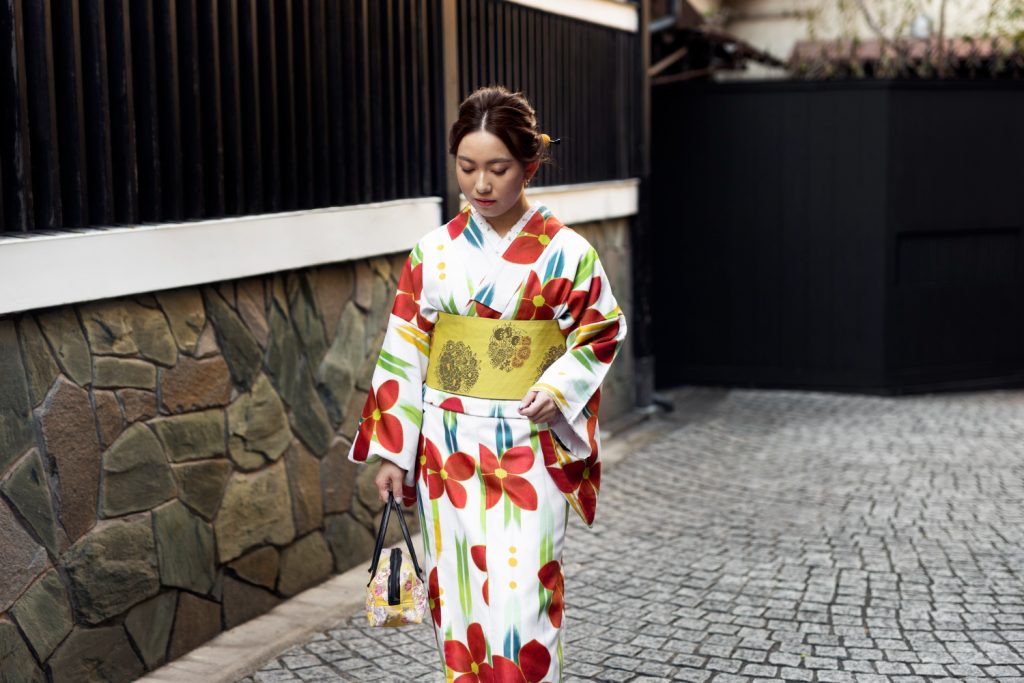
As the world becomes more inclusive and appreciative of diverse cultures, indigenous fashion is poised to play an even greater role in shaping the industry. With increased access to global platforms and support for ethical fashion, indigenous designers have the potential to redefine mainstream fashion trends while preserving their heritage.
Increasing Global Recognition
With more indigenous designers gaining international acclaim, the future of indigenous fashion looks promising. Fashion institutions and organizations are beginning to recognize the importance of cultural preservation and are providing platforms for indigenous voices to be heard. Fashion schools are also incorporating indigenous studies into their curricula, fostering greater respect and understanding of these traditions.
The Role of Technology in Indigenous Fashion
Technology is playing a crucial role in expanding the reach of indigenous fashion. E-commerce platforms, social media, and digital storytelling have allowed indigenous designers to connect with global audiences without relying on traditional retail models. This has enabled them to market their work directly to consumers, bypassing the barriers imposed by mainstream fashion gatekeepers.
The Continued Importance of Ethical Fashion
Indigenous designers are in a good position to take the lead as sustainability emerges as a key component of the fashion industry. Their traditional methods of local sourcing, handmade craftsmanship, and slow fashion are ideal for the industry’s future course. Indigenous fashion is at the center of the shift toward ethical fashion, which is more than just a fad.
Conclusion
From being marginalized to becoming a major force in the mainstream fashion industry, indigenous fashion has made incredible progress. Indigenous designers have achieved international recognition while conserving their cultural heritage by using traditional textiles and being dedicated to ethical fashion. Indigenous fashion has become more popular as a result of increased awareness of responsible consumption and cultural preservation. The future of fashion will surely be greatly influenced by indigenous designers as long as consumers continue to place a high value on authenticity and sustainability. Fashion is only one aspect of the journey from the margins to the mainstream; other aspects include respect, acknowledgment, and the global empowerment of indigenous communities.