









The Role of School Uniforms: Conformity, Confidence, and Control
In schools, workplaces, military organizations, and other settings, uniforms have long been a part of everyday life. They have deeper psychological and social implications in addition to their utilitarian uses, such as defining roles or upholding standards. What we wear in the boardroom or classroom can affect how we see ourselves as well as how others see us. Whether uniforms are used to express authority, foster unity, or remove distractions, they provide a distinctive perspective that allows us to consider how to strike a balance between individuality and structure. There is more to School uniforms than just fabric and purpose. It talks about how people behave, fit in, and work in systems.
The Psychological Impact of Uniforms in Schools
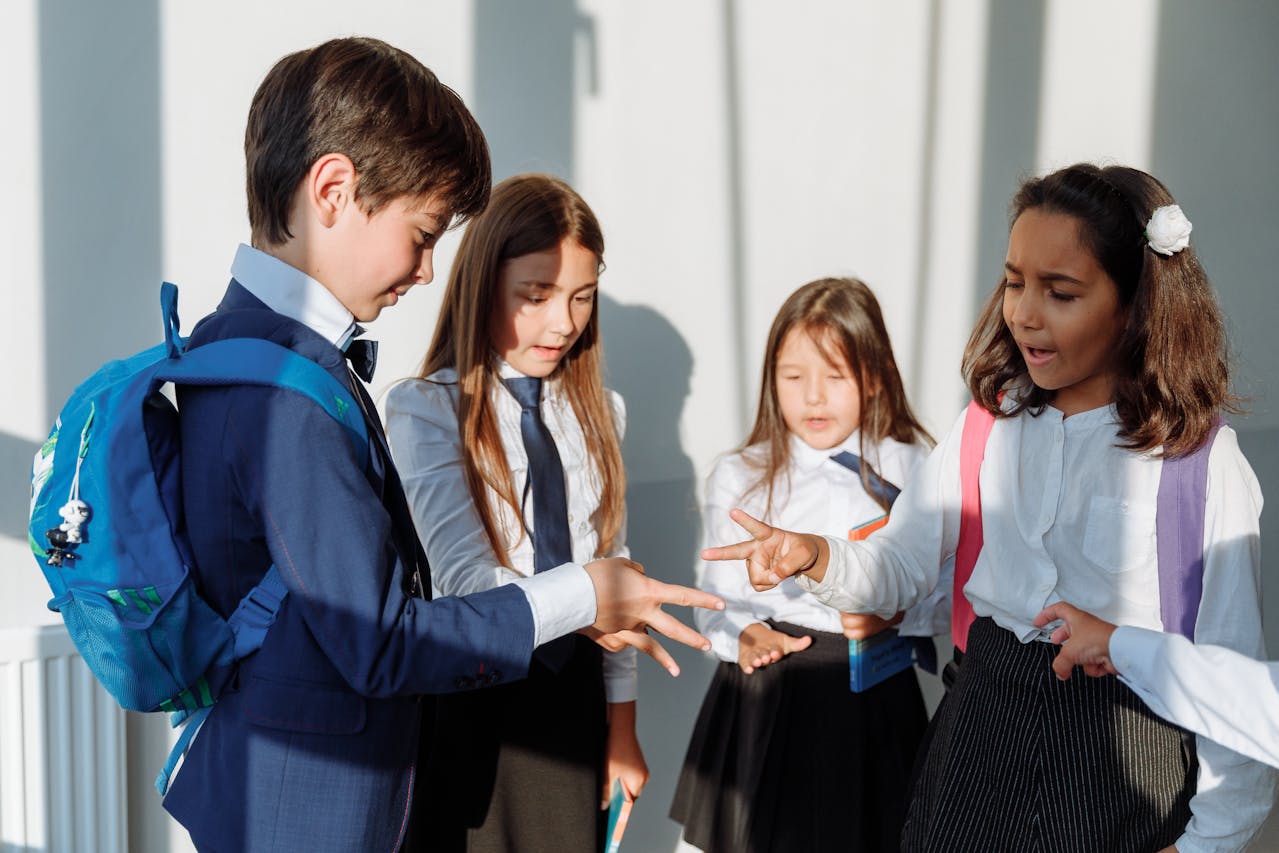
The debate around school uniforms is ongoing. Some argue they suppress individuality, while others claim they promote discipline and equality. Regardless of opinion, there is no denying that uniforms affect student psychology in meaningful ways.
Promoting Equality and Reducing Distractions
The ability of school uniforms to level the playing field is among the most frequently cited justifications for them. It is less stressful to compete with peers over fashion choices or to dress a certain way when all students wear the same attire. This sense of equality can ease social tension and allow students to focus more on academics. Psychology research on school uniforms backs up the claim that eliminating visual status markers lowers the number of bullying incidents motivated by appearance. School environments can become more inclusive if clothing is not used to show wealth or group affiliation.
Encouraging Discipline and Routine
Uniforms also help reinforce structure. Wearing a specific outfit associated with learning can serve as a mental cue that it is time to focus. Over time, this repeated behavior contributes to a habit loop, making it easier for students to transition into a learning mindset. According to studies in school uniforms psychology, students in uniform often report feeling more serious and prepared for the school day. The predictability of a uniform may also help students who struggle with morning routines or decision fatigue.
Balancing Uniformity and Expression
Critics of school uniforms argue that they limit self-expression, which is a crucial part of adolescent development. To counteract this, some schools allow limited personalization such as colored socks, pins, or hairstyles that offer a balance between uniformity and individuality. When properly implemented, school uniforms can create a foundation for focus and fairness while still leaving room for personal identity to shine through in subtle, meaningful ways.
Uniforms in the Workplace: Professionalism, Power, and Identity
Uniforms are just as present in the adult world. From retail and hospitality to healthcare and corporate environments, uniforms play a role in shaping perception and performance. They can communicate authority, improve trust, and even enhance performance.
Establishing Professional Identity
The ability for customers to quickly identify employees is one of the primary goals of workplace uniforms. Expertise and responsibility are conveyed by a doctor’s white coat, a police officer’s badge, or a barista’s branded apron. An employee assumes a specific role with predetermined expectations when they put on their uniform. Employees who wear clothing that is appropriate for their role tend to feel more competent and confident, according to research on workplace uniforms. This phenomenon, referred to as enclothed cognition, implies that our attire affects both how we act and how other people perceive us.
Enhancing Customer Trust and Team Cohesion
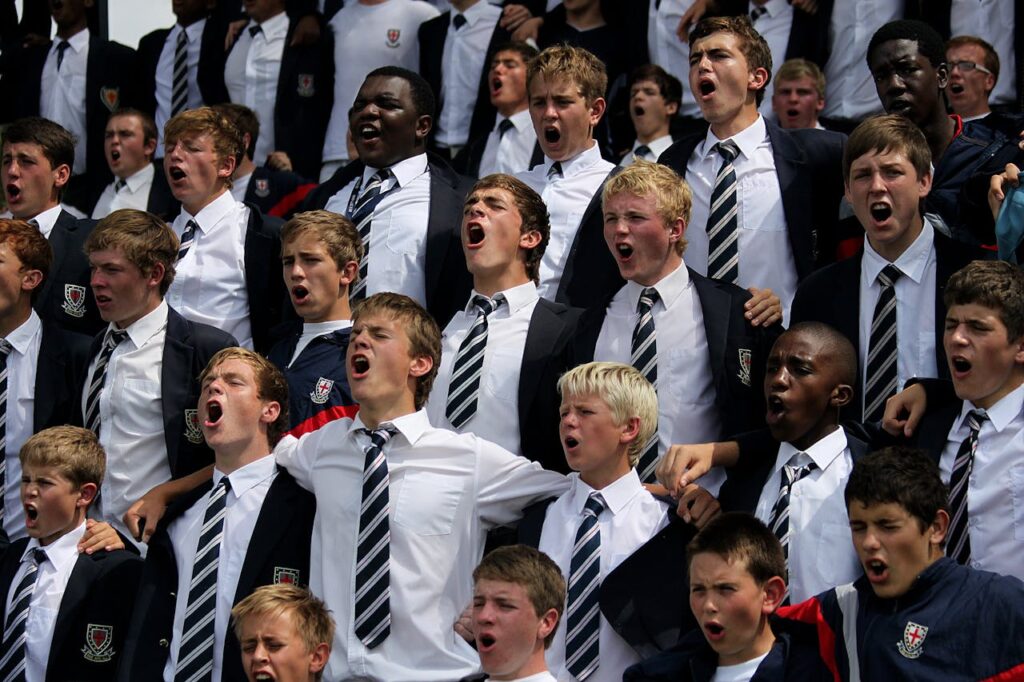
Uniforms can make organizations appear more cohesive and professional. In service industries, customers tend to associate uniforms with reliability and consistency. Knowing that someone is part of a team creates a sense of reassurance. Internally, uniforms can foster a sense of unity among employees. Everyone wearing the same clothing promotes a shared identity and mission. This is particularly effective in fast-paced or high-pressure environments where cooperation is essential.
Navigating Hierarchies and Comfort
Uniforms can also reflect workplace hierarchies. In healthcare, for example, different colors or styles may distinguish nurses, technicians, and physicians. While this can help with communication and task delegation, it also reinforces structures of authority. However, a one-size-fits-all uniform policy can sometimes lead to discomfort or dissatisfaction. Practical considerations like fabric type, fit, and cultural inclusivity are essential. Employers who involve staff in uniform decisions often see higher morale and better compliance.
Fashion, Conformity, and Individuality
Beyond schools and workplaces, uniforms exist within the broader concept of fashion and conformity. People often follow trends or adopt certain styles not only to express themselves but also to fit into social groups. Uniforms magnify this dynamic, presenting a clear line between belonging and standing out.
The Psychology of Dressing Alike
Since humans are social beings, they are drawn to other people. People who dress alike report feeling less anxious, more connected to others, and safer in new situations. The psychology of conformity and fashion is centered on this need to blend in. Matching outfits convey a common goal and set of values in group contexts, such as a sales team or sports team.
Cooperation and accountability can be increased by using uniforms to help establish group norms and boundaries. On the other hand, losing one’s individuality can result from excessive conformity. Personal interests, cultural background, and identity are less visually represented when everyone has the same appearance. The difficulty of creating uniforms that support group identity without erasing individuality arises from this tension.
Fashion as Silent Communication
Even outside formal uniforms, clothing communicates volumes. People often dress in ways that mirror their peer group or social circle. Streetwear, office fashion, and even workout attire follow unspoken rules that influence how others perceive us. The concept of fashion and conformity shows up in everyday life, whether someone is wearing a suit to a job interview or choosing an outfit that aligns with a cultural or community norm. Uniforms represent an extreme of this principle, taking the concept of shared style and making it mandatory.
Balancing Standardization and Freedom
Many organizations now look for hybrid approaches. They offer guidelines instead of strict uniforms or allow for variations within a standard design. This gives individuals room to express themselves while maintaining brand or organizational consistency. Examples include allowing different hijab styles, choosing between pants or skirts, or incorporating custom name tags. These adjustments acknowledge the importance of self-expression within a framework of uniformity.
The Role of Control and Authority in Uniform Policies
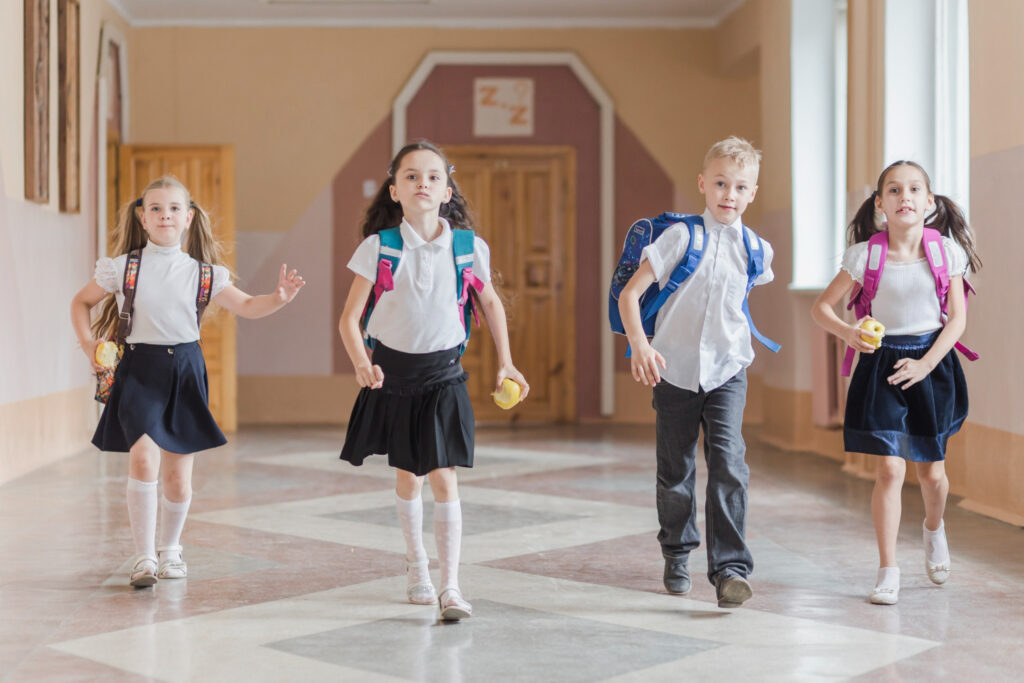
Uniforms are often associated with control. In schools, they help manage behavior. In workplaces, they guide conduct and appearance. In military or security settings, uniforms symbolize discipline, strength, and hierarchy.
Reinforcing Order and Structure
Uniforms provide clarity and order in high-stakes or high-risk situations, like emergency services or aviation. They clear up confusion and assist people in carrying out their responsibilities well. Additionally, uniforms act as visual cues about the standards and regulations associated with a specific setting. People often take on the behaviors that go along with that role when they put on a uniform. Without continuous verbal instruction, this psychological change aids in the enforcement of standards.
Resistance and Rebellion
Not everyone embraces uniforms. Some see them as symbols of restriction or forced conformity. This can lead to subtle forms of rebellion, such as bending dress code rules or altering garments to express individuality. Understanding the resistance to uniforms is important, especially in educational or creative environments. When people feel their autonomy is being suppressed, they may disengage or push back. That is why involving people in uniform design or allowing personalization options can foster a more positive relationship with the policy.
Conclusion
A uniform is more than just a set of coordinated clothes. They serve as instruments to control perception, express identity, and mold behavior. Both social structure and individual identity are impacted by uniforms, as evidenced by the psychology of school uniforms, the function of workplace uniforms, and the impact of fashion and conformity.
When uniforms are properly designed and worn with dignity, they can boost self-esteem, encourage equality, and strengthen a feeling of purpose. Balance, though, is crucial. A successful uniform policy upholds individuality while advancing group objectives. Understanding the impact of uniforms on people’s thoughts, behaviors, and interpersonal relationships enables us to recognize their more profound significance in daily life. Whether in a classroom, a kitchen, or a boardroom, what we wear shapes not just how we are seen, but how we see ourselves.