










Indigenous Textiles and Artisanal Techniques: The Battle Against Cultural Erosion
Indigenous textiles and artisanal techniques reflect the diverse cultural history of cultures around the world. From elaborate Mexican embroidery to handwoven Indian fabrics, these traditions have been passed down through centuries, offering stories about history, identity, and workmanship. However, in today’s age of mass production and rapid fashion, these time-honored traditions are at risk of cultural disintegration. As consumer preferences shift to cheaper and faster alternatives, craftsmen fight to maintain their trade.
The Significance of Textile Heritage
The preservation of indigenous textiles is essential to maintaining cultural diversity and artistic traditions worldwide. These fabrics and techniques serve as a bridge between the past and the present, offering a glimpse into ancestral knowledge and craftsmanship. In many communities, textile-making is deeply intertwined with social structures, religious rituals, and economic sustainability. Protecting these art forms not only ensures cultural continuity but also empowers artisans and their families to sustain their way of life.
The Cultural Identity of Indigenous Textiles
Textile heritage is more than just fabric—it is a symbol of identity, history, and storytelling. Indigenous communities use textiles as a medium to represent their beliefs, customs, and social structures. Each pattern, color, and technique carries a meaning, often signifying the community it originates from.
For example, the Ikat weaving technique in Indonesia, the bright Otomi needlework in Mexico, and Ghana’s Kente cloth all demonstrate unique craftsmanship based on tradition. These fabrics are more than just aesthetically pleasing; they represent generations of knowledge and artistic expression.
Artisan Craftsmanship: A Legacy of Skill and Dedication
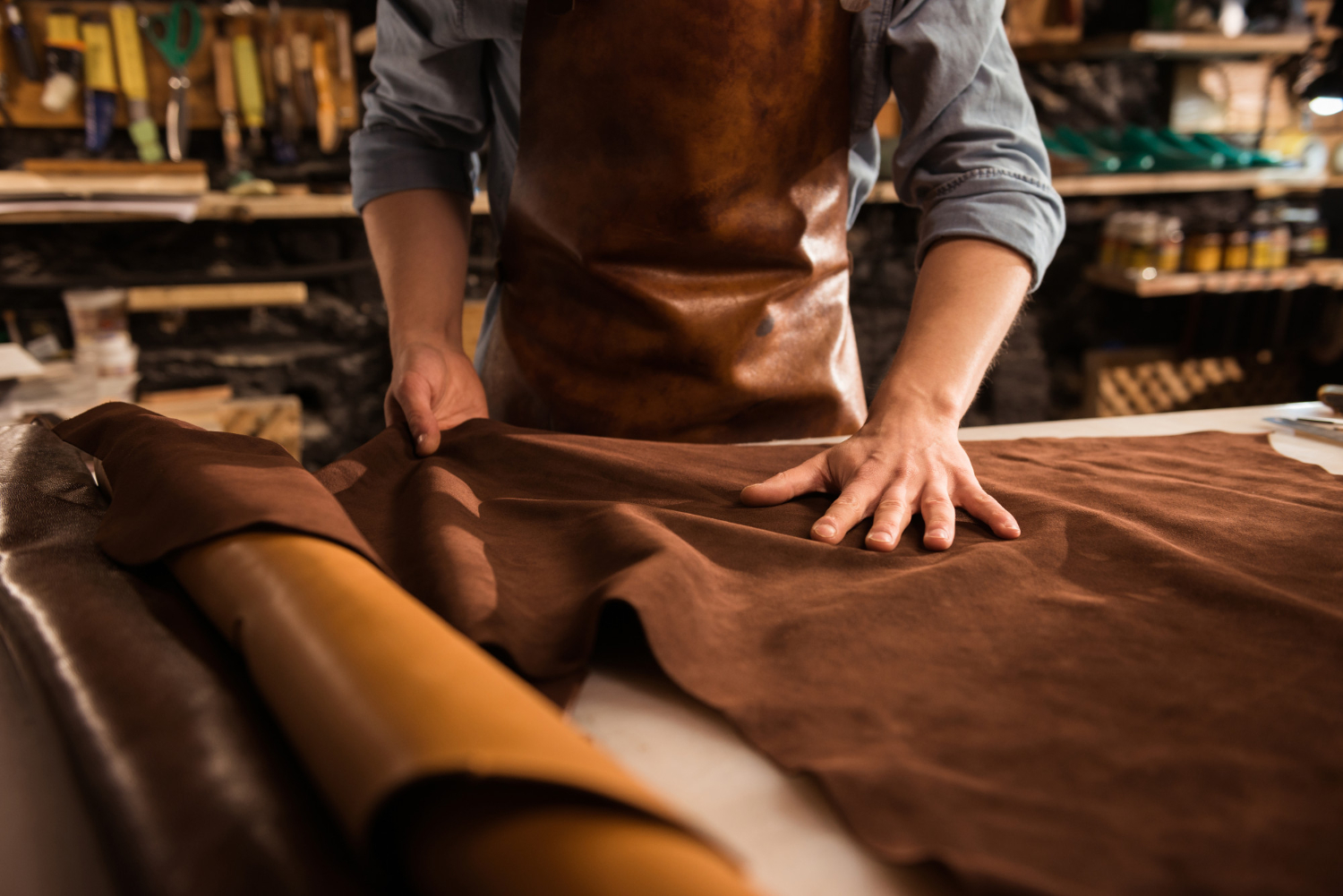
Artisan craftsmanship involves meticulous handwork, patience, and skill honed over years of practice. Unlike factory-produced textiles, handmade fabrics require detailed effort, often taking weeks or even months to complete. Whether it is traditional embroidery, hand block printing, or loom weaving, the dedication of artisans ensures the authenticity of each piece.
Unfortunately, the rapid shift towards industrialization and mechanized production undermines these skilled crafts. Without proper recognition and financial support, many artisans are forced to abandon their trade, leading to the loss of invaluable techniques.

The Threat of Cultural Erosion
Cultural erosion happens when traditional knowledge, skills, and traditions are gradually lost due to external influences, economic constraints, and shifting cultural values. The falling popularity of indigenous textiles and artisanal techniques has an influence not just on craftsmen’ livelihoods, but also on their sense of identity and legacy. Without appropriate support, many of these traditions risk becoming relics of the past, replaced by mass-produced alternatives that lack the richness and soul of handcrafted creations.
Mass Production vs. Handwoven Fabrics
Fast fashion and mass production have significantly impacted the demand for handwoven fabrics. Machine-made textiles are not only cheaper but also faster to produce, making them more appealing to modern consumers. However, this comes at the cost of quality, uniqueness, and cultural preservation.
Artisans who rely on traditional methods struggle to compete with factory-made garments. Many are unable to sustain their businesses, leading to a gradual decline in textile heritage. Without intervention, the world risks losing centuries-old weaving and embroidery techniques.
The Impact of Globalization on Indigenous Artisans
Globalization has ushered in a new era of accessibility, with patterns from various cultures being easily adopted and sold. While cultural exchange is beneficial, it frequently results in the exploitation of indigenous designs without appropriate recognition or payment. Large fashion brands frequently appropriate traditional patterns and motifs, mass-producing them without recognizing the artisans who created them.
This not only devalues the original craft but also deprives artisans of their rightful earnings. The lack of legal protection for indigenous designs further exacerbates this issue, making it difficult for traditional craftsmen to claim ownership over their work.
Sustainable Fashion: A Path to Preservation
The shift towards sustainability in fashion has opened doors for the revival of indigenous textiles. Consumers are becoming more conscious of the environmental and ethical implications of their purchases, leading to a growing appreciation for handcrafted, durable, and culturally rich fabrics. This shift not only helps reduce waste but also provides a lifeline to artisans who rely on their craft for their livelihood. By integrating traditional techniques into modern fashion trends, designers and consumers can work together to ensure that these age-old practices continue to thrive in a contemporary market.
The Role of Ethical Consumerism
Sustainable fashion is developing as an important trend for protecting indigenous fabrics. Ethical consumerism encourages people to support firms and craftspeople who value fair salaries, environmentally friendly materials, and traditional processes. Consumers can help to preserve textile heritage by making conscious shopping selections.
Many fashion brands now collaborate with local artisans, ensuring that their craftsmanship is both valued and fairly compensated. These initiatives not only sustain the livelihoods of artisans but also bring global recognition to their work.
The Rise of Slow Fashion
Slow fashion is the opposite of fast fashion—it emphasizes quality over quantity, ethical sourcing, and the revival of artisan craftsmanship. Handwoven fabrics and traditional embroidery play a significant role in this movement, as they align with the principles of durability and sustainability.
Customers who buy handcrafted textiles not only get one-of-a-kind, high-quality products, but they also help to combat cultural decline. Individuals who choose artisan-made clothing can assist to maintain the skills and traditions that define textile history.
Government and NGO Initiatives
The role of governments and NGOs is crucial in the preservation and promotion of indigenous textiles. By implementing policies that support artisans and ensuring fair trade practices, these institutions help sustain traditional crafts. Furthermore, awareness campaigns, cultural festivals, and heritage exhibitions play a significant role in keeping textile heritage alive and relevant in the modern world.
Policies to Protect Artisan Craftsmanship
Many governments and groups have made initiatives to preserve textile heritage by providing financial assistance, training programs, and marketing support to artists. Countries such as India have designated geographical markers for specific textiles, ensuring that only genuine producers can use the label.
Organizations such as UNESCO and the World Crafts Council actively promote traditional textiles, recognizing them as part of intangible cultural heritage. These efforts help create awareness and provide artisans with platforms to showcase their work globally.
NGOs Supporting Indigenous Weavers
Several NGOs work tirelessly to support artisans and indigenous weavers. These organizations provide artisans with fair trade opportunities, access to modern markets, and resources to innovate without losing authenticity.
For example, initiatives like the Fashion Revolution and the Ethical Fashion Initiative connect artisans with international designers, ensuring that traditional techniques gain contemporary relevance. These collaborations offer financial stability to artisans while maintaining the integrity of their craft.
Challenges Faced by Artisans
Artisans play an important role in conserving cultural traditions, but they face a number of problems that endanger their craft’s sustainability over time. Economic instability, competition from machine-made textiles, and a lack of access to global markets make it difficult for craftsmen to continue their profession. Furthermore, shifting fashion trends and consumer preferences can undermine traditional workmanship, making it critical to raise awareness and support programs that benefit these craftspeople.
Economic Hardships and Low Wages
Despite the global appreciation for handcrafted textiles, many artisans struggle to make a sustainable living. The low demand for handwoven fabrics, coupled with the influx of cheap alternatives, leaves artisans underpaid and undervalued. Without fair wages, younger generations are less inclined to learn these crafts, further threatening their survival.
Lack of Awareness Among Consumers
Many consumers are unaware of the rich history and effort behind traditional textiles. Education and awareness campaigns are necessary to highlight the importance of textile heritage and the impact of ethical fashion choices. If more consumers understood the value of artisan craftsmanship, they would be more willing to invest in handcrafted products rather than mass-produced alternatives.
The Future of Indigenous Textiles
The preservation of indigenous textiles requires a collaborative effort by craftspeople, customers, designers, and policymakers. As old processes fade into history, it is critical to develop new ways to keep these crafts alive. The future of these textiles is a mix of heritage preservation and adaptation to new demands. Whether through internet platforms, collaborations with fashion houses, or government assistance, there is still hope that these beloved art forms can thrive in the coming years.
Bridging Tradition with Modernity
To ensure the survival of indigenous textiles, artisans must find ways to blend tradition with modernity. Many designers are incorporating traditional embroidery and weaving techniques into contemporary fashion, making them more appealing to younger audiences. This fusion of old and new helps maintain cultural integrity while keeping the craft relevant in today’s fashion industry.
Digital Platforms and E-Commerce Opportunities
The rise of digital platforms and e-commerce has expanded artisans’ ability to reach a worldwide audience. Online marketplaces for handcrafted and ethical products enable craftspeople to sell directly to customers, eliminating middlemen and enhancing earnings. Social media also plays an important part in storytelling, allowing artists to share their experiences, techniques, and ideas with the rest of the world.

Conclusion
The battle against cultural erosion is an ongoing challenge, but with collective effort, indigenous textiles and artisanal techniques can thrive. Supporting handwoven fabrics and traditional embroidery through ethical consumerism, government initiatives, and sustainable fashion movements is crucial in preserving textile heritage.
As consumers, designers, and policymakers, we all have a responsibility to ensure that these vital traditions do not die away. By choosing to respect and invest in artisan craftsmanship, we help to preserve a rich cultural legacy that should be celebrated for future generations.