









Virtual Try-Ons: Transforming Online Shopping with Augmented Reality
The swift expansion of online shopping has transformed how consumers interact with brands and acquire products. However, in spite of its ease, e-commerce frequently faces a significant disadvantage: the lack of physical interaction with items. For shoppers in sectors such as fashion and beauty, where fit, style, and personalization are essential, this restriction can cause uncertainty and dissatisfaction. Introducing AR and its groundbreaking aspect, virtual try-ons, which are revolutionizing the online shopping experience and connecting the digital with the physical worlds.
The Evolution of Online Shopping
Online shopping has come a long way since its inception in the late 1990s. Initially limited to basic product catalogs and slow-loading images, it has evolved into a dynamic, interactive experience driven by advanced technologies. As e-commerce platforms became more sophisticated, they began to incorporate features such as user reviews, high-definition images, and detailed size guides to enhance consumer confidence. Yet, one challenge remained persistent: the inability to see how a product would look or function in real life.
For many years, buyers depended on still images and unclear descriptions to make their buying choices. This absence of physicality frequently led to a significant return rate, particularly in sectors such as fashion e-commerce. Although virtual fitting rooms and product visualization tools appeared as early solutions, their scope and effectiveness were restricted. This gap opened a door for augmented reality to enter and transform the scene with virtual fittings.
What Are Virtual Try-Ons?
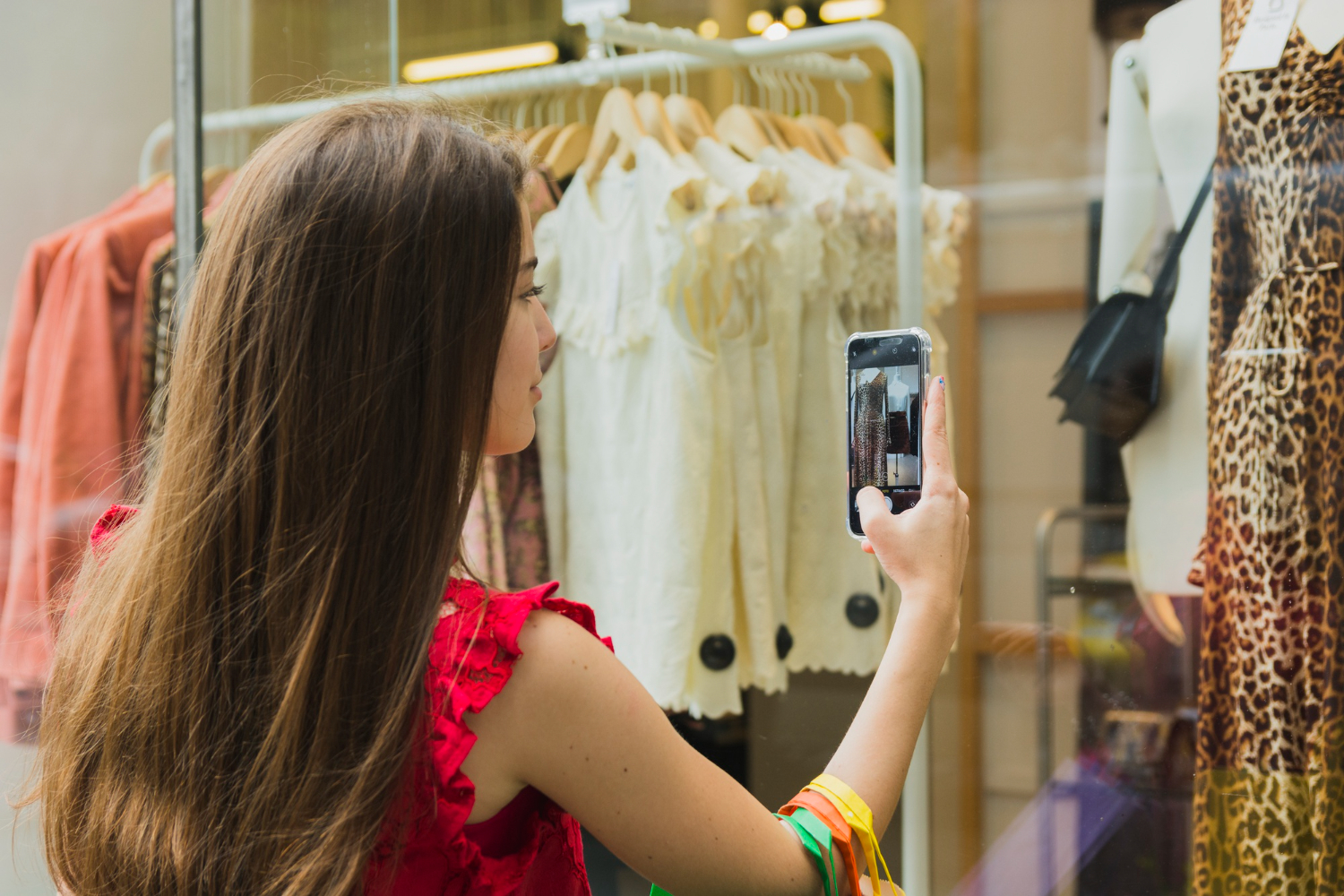
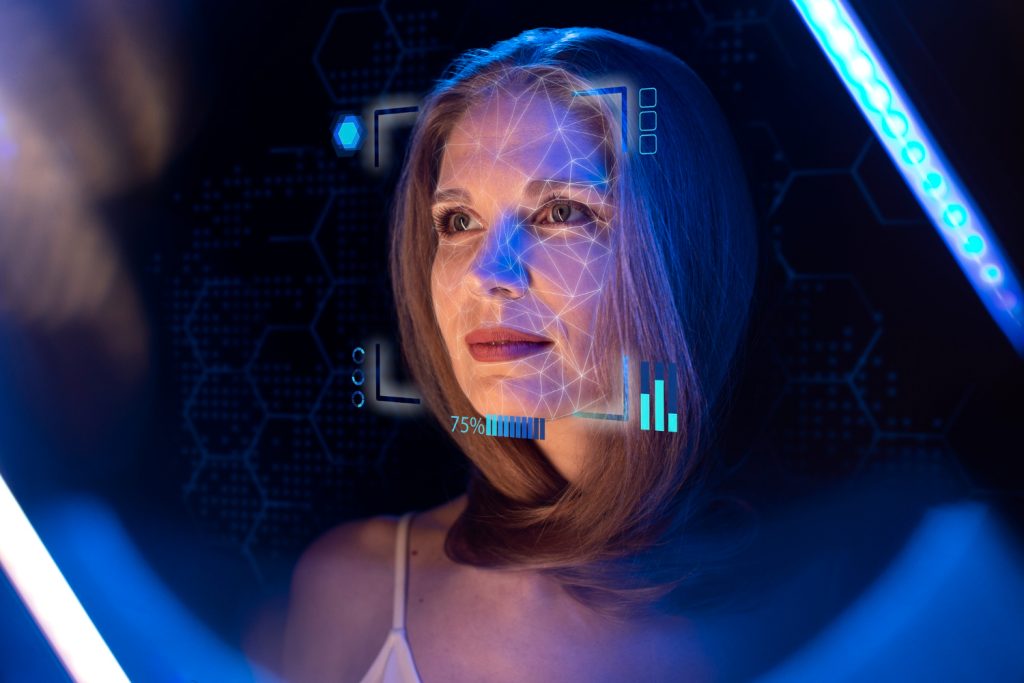
Virtual try-ons leverage augmented reality to allow users to see how a product would look or fit in real-time. By using smartphone cameras, AR-enabled apps, or web-based platforms, consumers can superimpose digital renderings of products onto their bodies or environments. This technology is most commonly seen in fashion e-commerce, beauty products, and eyewear but is rapidly expanding to other industries such as home decor and automotive retail.
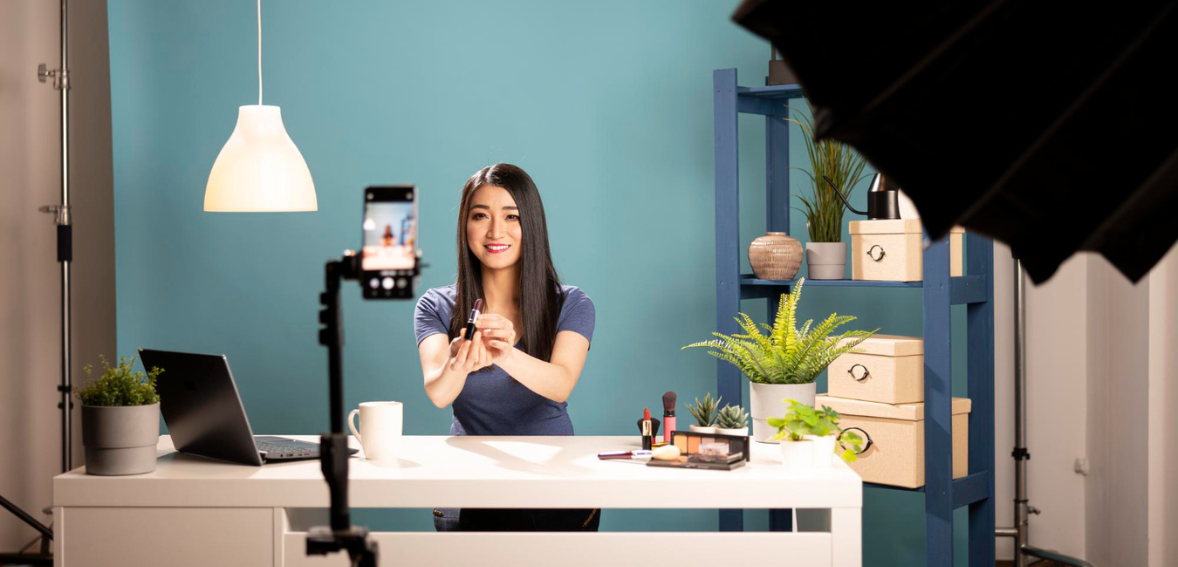
At the heart of virtual try-ons lies the smooth incorporation of AR technology. By charting facial characteristics, body forms, or areas in a three-dimensional setting, AR generates a lifelike preview of a product’s appearance. For example, a customer looking for sunglasses can utilize a virtual try-on option to evaluate how various styles and frames look on their face. In the same way, a consumer looking at makeup items can try out different lipstick or foundation colors without actually using them. These experiences enhance shopping engagement and also enable users to make knowledgeable choices.
Benefits of Virtual Try-Ons for Consumers
The attraction of virtual try-ons comes from their capacity to tackle significant challenges in online shopping. For shoppers, this technology improves the shopping experience in multiple ways. Initially, it introduces a level of personalization that was lacking in e-commerce. Consumers can now see how a product matches their individual preferences and characteristics, ranging from clothing sizes to skin colors. This tailored method greatly minimizes the uncertainty associated with buying choices.
Second, virtual try-ons improve consumer confidence. By providing a realistic preview of products, AR mitigates the fear of buying the wrong size, color, or style. This leads to fewer instances of buyer’s remorse and, consequently, a reduction in returns. For instance, when shopping for a dress, a consumer can assess not only the design but also how it complements their body type—an experience that was once exclusive to physical stores.
Another advantage is convenience. Virtual try-ons eliminate the need for multiple trips to stores or the hassle of trying and returning products. Consumers can experiment with countless options from the comfort of their homes, saving time and effort. In a world where convenience often dictates consumer choices, this feature is a game-changer.
How Businesses Benefit from Virtual Try-Ons
While virtual try-ons primarily enhance the consumer experience, their impact on businesses is equally profound. For brands and retailers, this technology offers a competitive edge in a crowded marketplace. By incorporating AR into their platforms, businesses can create engaging and memorable shopping experiences that drive customer loyalty.
One significant benefit for businesses is the increase in conversion rates. When shoppers are able to visualize how a product will look or fit, they are more likely to proceed with a purchase. This boost in confidence translates into higher sales and reduced cart abandonment rates. Additionally, virtual try-ons help brands stand out by positioning them as innovators in their respective industries. In the competitive world of fashion e-commerce, being perceived as tech-savvy and customer-centric can make all the difference.
Another significant benefit is cost reduction. Returns have historically been a major issue for e-commerce companies, frequently resulting in logistical difficulties and monetary losses. Virtual try-ons tackle this problem by lowering the chances of customers returning items because of unfulfilled expectations. By making sure that customers get precisely what they imagine, companies can reduce return shipping and restocking expenses while lowering environmental waste.
Technological Innovations Driving Virtual Try-Ons
The success of virtual try-ons hinges on continuous advancements in AR technology. At the forefront of this innovation are AI and machine learning, which play a pivotal role in enhancing the accuracy and realism of virtual experiences. AI algorithms analyze user data to create personalized and adaptive try-on experiences, while machine learning enables the technology to improve over time.
Smartphone technology has played a crucial role in making virtual try-ons available to the general public. Modern devices, equipped with high-resolution cameras and robust processors, can run advanced AR applications without requiring extra hardware. The democratization of AR guarantees that virtual try-ons have become a common expectation rather than a niche feature in online shopping.
Leading brands have already embraced these innovations with remarkable success. Sephora’s Virtual Artist tool, for instance, allows customers to try on makeup products virtually, while Warby Parker’s app offers a similar feature for eyewear. These case studies highlight the versatility and scalability of virtual try-ons across various industries, setting a precedent for others to follow.
Challenges and Limitations of Virtual Try-Ons
Although they offer many advantages, virtual try-ons come with their own set of challenges. A significant challenge is verifying the precision of AR models. Elements like lighting, device quality, and user movements can influence the efficacy of virtual try-ons, possibly resulting in unrealistic or inconsistent outcomes. To tackle this, developers need to focus on strong algorithms and thorough testing.
Another challenge lies in consumer adoption. While many shoppers embrace the convenience and novelty of virtual try-ons, others may be hesitant due to unfamiliarity or concerns about data privacy. Educating consumers about the reliability and security of AR technology is crucial for widespread adoption. Businesses must also ensure that their platforms comply with data protection regulations to build trust with users.
Finally, accessibility remains an issue. While AR is becoming more mainstream, not all consumers have access to the devices or internet speeds required for seamless virtual try-on experiences. Bridging this digital divide will be essential to making AR shopping inclusive and universally available.
The Future of Virtual Try-Ons and Online Shopping
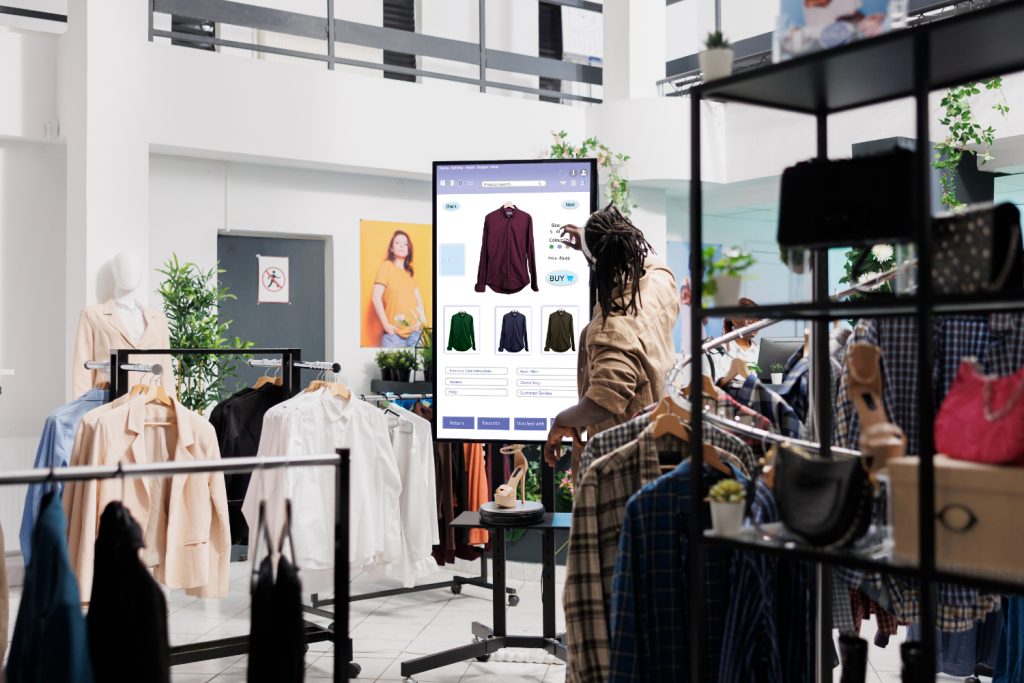
As technology keeps advancing, the possibilities for virtual try-ons are limitless. New trends like the metaverse and mixed reality are set to transform the online shopping environment, providing increasingly immersive and interactive experiences. Picture strolling through a virtual shop, testing clothes in a 3D dressing room, and getting tailored suggestions based on your tastes—all while relaxing at home.
Beyond fashion e-commerce and beauty, virtual try-ons are likely to expand into new sectors, from automotive retail to healthcare. For instance, patients could use AR to visualize medical devices or prosthetics, while car buyers could explore different models and customizations virtually. These developments underscore the versatility and transformative potential of augmented reality across industries.
For businesses, staying ahead in this evolving landscape will require continuous innovation and adaptation. By investing in AR technology and integrating virtual try-ons into their platforms, brands can not only meet consumer expectations but also shape the future of online shopping.
Conclusion
Augmented reality-enabled virtual try-ons are transforming the online shopping experience. By connecting the digital and physical worlds, this technology resolves enduring issues in e-commerce, including product visualization and personalization. For shoppers, virtual try-ons provide ease, assurance, and a more interactive shopping experience. For companies, they offer a competitive advantage, savings in costs, and possibilities for expansion.
As AR technology continues to advance, the potential for virtual try-ons will only grow, reshaping not just online shopping but the retail industry as a whole. In a world increasingly driven by innovation, virtual try-ons stand out as a testament to the power of technology to transform everyday experiences. For shoppers and businesses alike, the future of e-commerce has never looked more promising.