






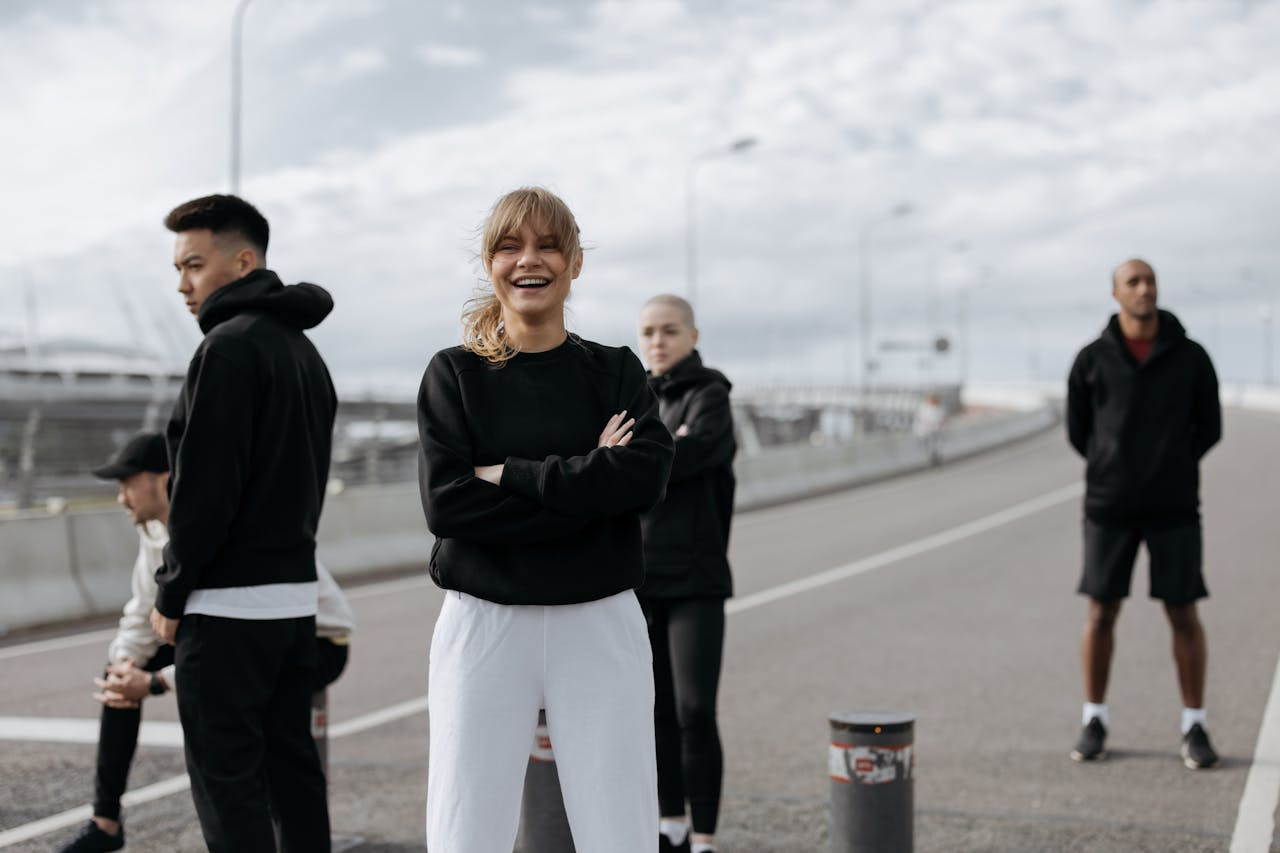
From Streetwear to Runway: Social Belonging Through Fashion Tribes
Fashion has always been more than just fabric; it’s a language. From the rebellious edge of punk to the clean minimalism of high fashion, the way we dress often reflects who we are, who we relate to, and where we belong. In today’s hyper-connected world, fashion subcultures are more visible; and influential; than ever before.
The Rise of Fashion Tribes
Fashion has never existed in a vacuum. It reflects broader social dynamics and often responds to cultural, political, or economic shifts.
Defining Fashion Subcultures
Communities of people who express a common identity or philosophy through their grooming, accessories, and attire are known as fashion subcultures. These communities often emerge around shared ideals, tastes in music, or ways of living. Think of punks, skaters, hip-hop heads, goths, or even cottagecore fans; each has a distinct style. These subcultures are beautiful because they go beyond trends. They provide an area for rebellion, self-expression, and; above all; connection. These groups turn into secure environments where members can freely express themselves and show that they belong.
The Evolution of Streetwear as Identity
Streetwear is one of the most dynamic examples of a modern fashion subculture. What started as a niche scene in 1980s skate and hip-hop communities has now crossed into high fashion territory. Brands like Supreme, Off-White, and Stüssy didn’t just sell clothes; they sold culture. Wearing streetwear became more than a style; it became a statement. It told others, “I know the culture,” or “I’m part of this movement.” It created an in-group; a digital handshake in physical form. This dynamic shows how clothing shapes social identity clothing norms within tribes.
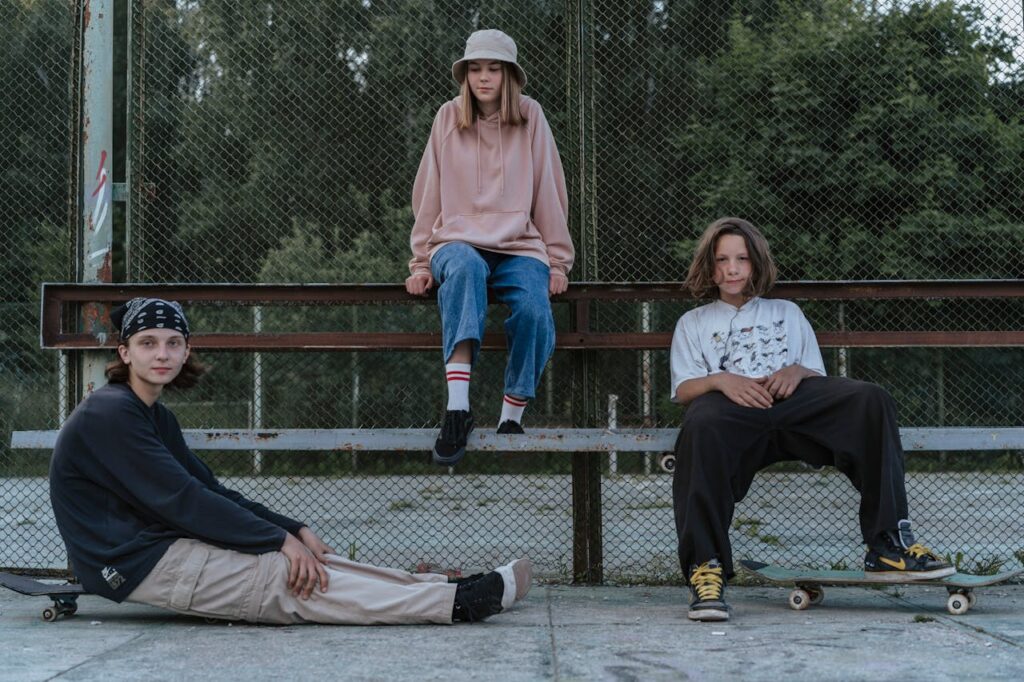
Clothing as a Marker of Social Identity
Style doesn’t just reflect individual personality; it often signals group affiliation, helping people form bonds based on shared aesthetics and values.
How Clothing Communicates Group Membership
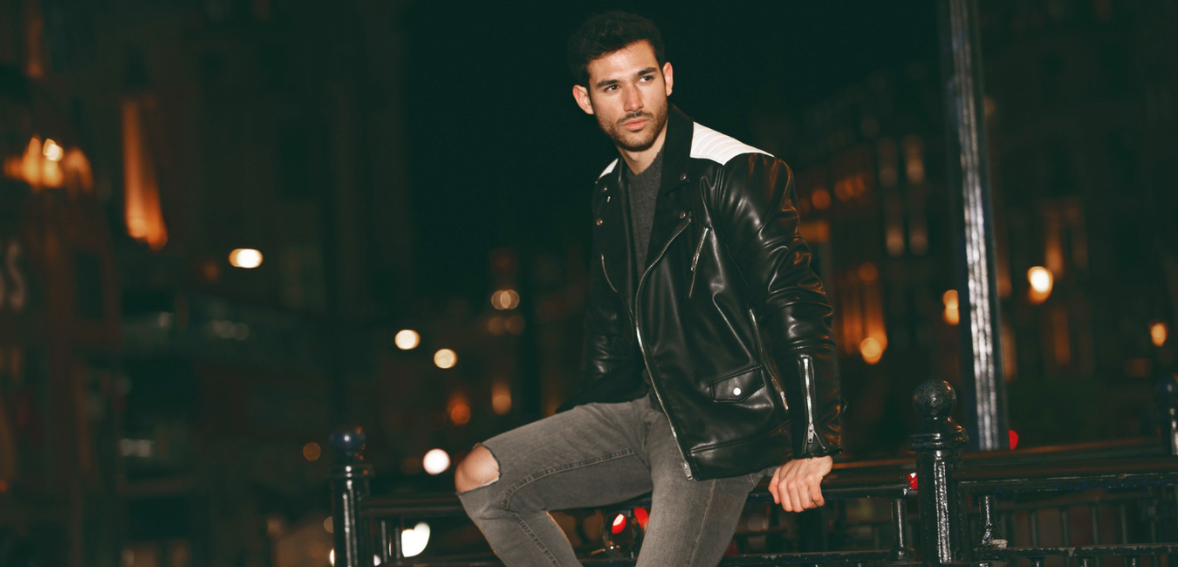
Clothing is a non-verbal cue. When you wear ripped jeans and a band tee, you may be expressing affinity with a grunge or alternative aesthetic. If you’re always in tailored blazers and loafers, you’re likely signaling alignment with a more preppy or classic identity. This is where the concept of social identity clothing comes in. Clothes become tools we use to align with communities that share our beliefs, interests, or aspirations. Whether consciously or unconsciously, we gravitate toward what our chosen group wears.
The Psychology of Group Fashion Behavior
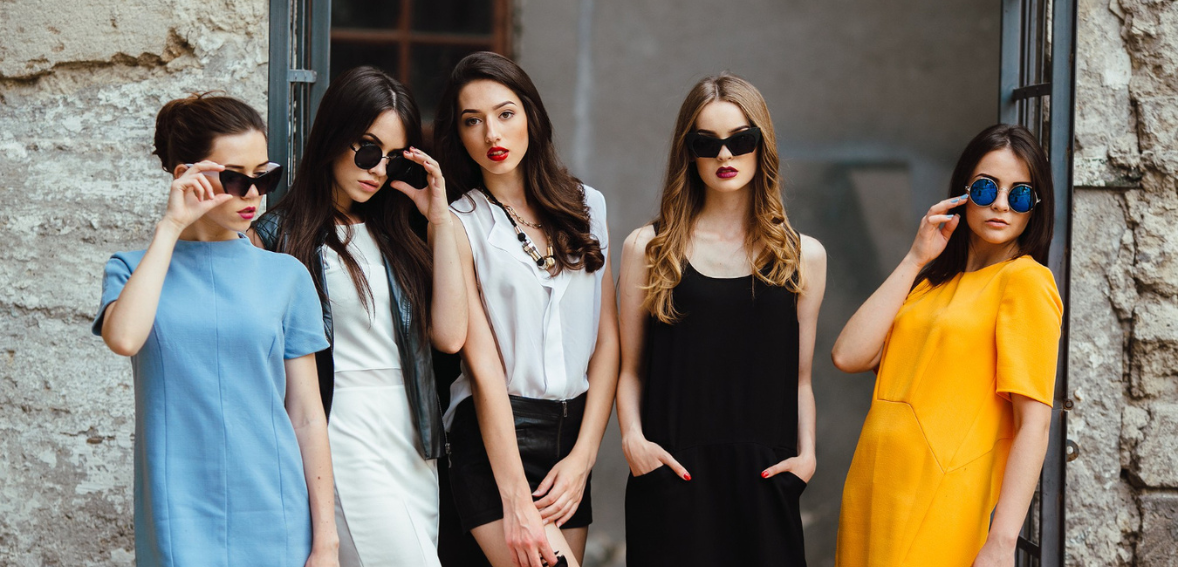
Since humans are social creatures, a fundamental psychological need is the need to belong. This instinct is tapped into by group fashion behavior. Adopting a tribe’s style allows us to feel accepted and emotionally secure. Adolescence, a time when people are discovering who they are, is when this behavior is most noticeable. Think about office dress codes, yoga wear trends, or sneakerhead communities to see how even adults look for approval through their clothing. Fashion becomes a uniform of belonging.
Uniforms, Codes, and Belonging
Every fashion subculture has its own dress code; often unwritten, but very much understood by those within the group. These codes serve to reinforce insider knowledge and keep outsiders out. You can tell a rave-goer from a minimalist fashionista just by the details: glowsticks and mesh vs. monochrome layers and sculptural cuts. These codes are more than aesthetics; they’re cultural signals. In following them, people feel anchored in something larger than themselves.
Fashion Subcultures in the Mainstream
While subcultures often begin as niche movements, many eventually break into the mainstream, sometimes losing their rebellious spirit along the way.
How the Runway Absorbs Street Culture
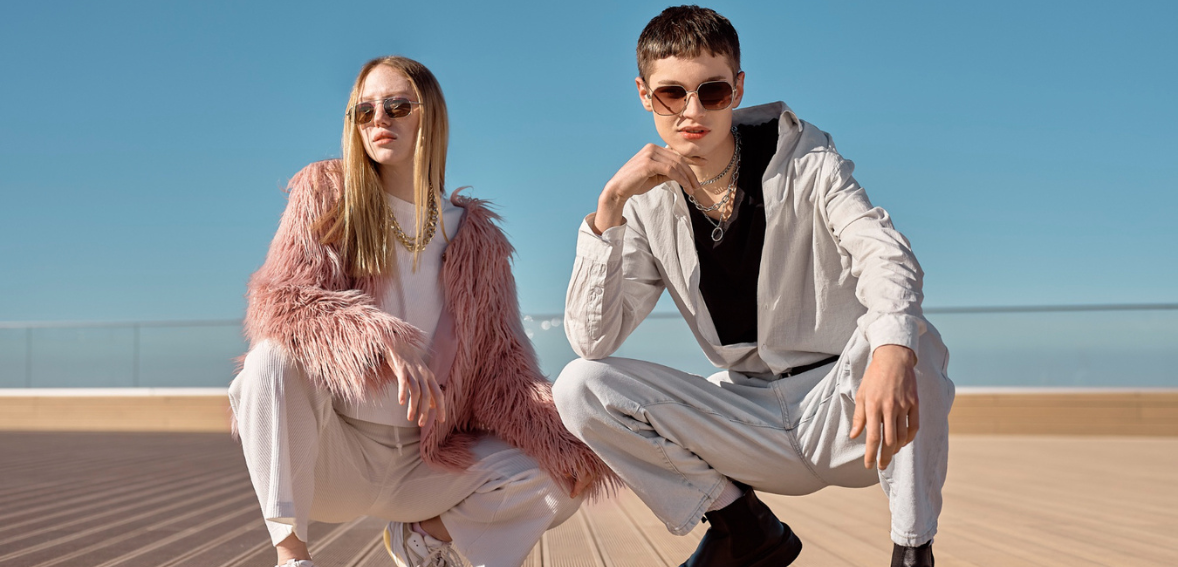
Fashion’s top houses have taken notice of fashion subcultures and their influence. Streetwear, once anti-establishment, has now been embraced by brands like Louis Vuitton, Balenciaga, and Dior. What was once a voice of rebellion now walks luxury runways. This cross-pollination of high and low fashion has created new hybrid styles, showing that group fashion behavior evolves as visibility increases. Still, some purists argue that mainstream adoption waters down the meaning behind the clothes.
From DIY to Designer: The High-Fashion Remix
In the past, DIY culture served as the foundation for numerous subcultures; hip-hop artists made their own sneakers, and punks sewed their own clothing. These days, expensive studios charge thousands of dollars to recreate those same styles. When worn in specific situations, these styles continue to signal social identity clothing despite their commercialization. In the hip-hop community, for instance, wearing a luxury brand could be interpreted as a sign of hustle or success, but in other contexts, it could be interpreted as conformity.
The Digital Age of Subcultures
Social media has redefined how fashion subcultures form and grow. Platforms like Instagram, TikTok, and Pinterest have allowed people from around the world to connect over a shared look or vibe. Micro-tribes like “dark academia,” “clean girl aesthetic,” or “e-girls” have flourished online. These digital spaces shape modern group fashion behavior, showing how fast new subcultures can emerge and how quickly aesthetics can shift.
Fashion as Empowerment and Resistance
In many cases, clothing choices go beyond aesthetics; they become political or deeply personal acts of empowerment and resistance.
Gender Identity and Clothing Norms
For many, especially in the LGBTQ+ community, social identity clothing is a way to claim their truth. Breaking away from traditional gendered clothing norms, individuals craft styles that reflect who they are on the inside. From androgynous fashion to fluid dress codes, these choices form powerful fashion subcultures that demand visibility, respect, and inclusion.
Cultural Identity and Style Pride
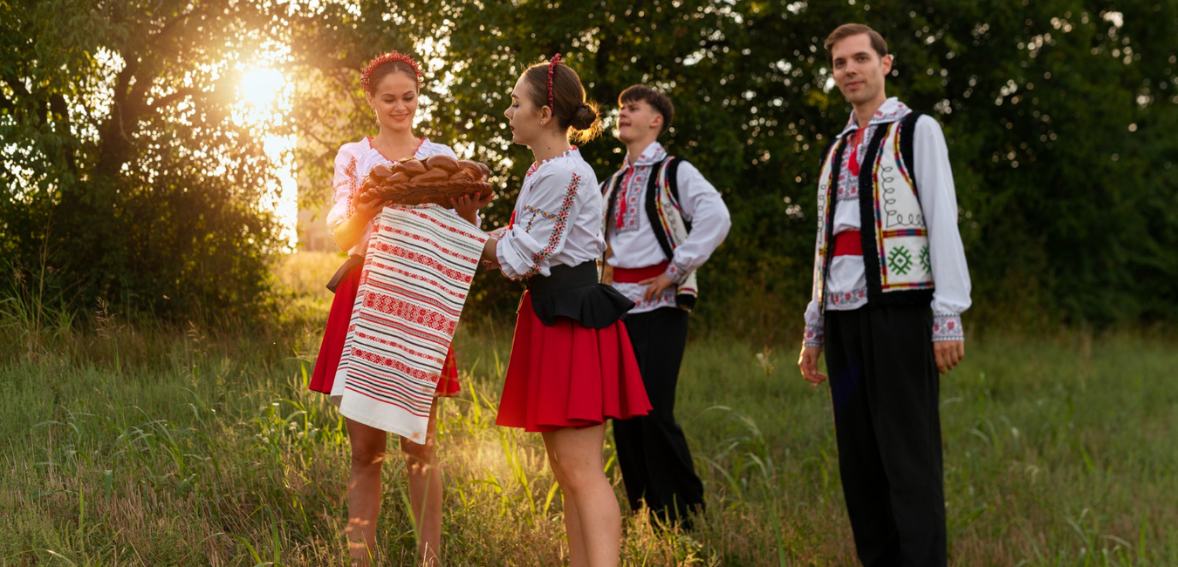
Fashion is a tool used by diaspora communities worldwide to maintain cultural identity while incorporating influences from other cultures. Despite being surrounded by Western standards, people proudly wear South Asian embroidery, African prints, and Indigenous designs. In addition to being exquisite, these fashion choices have a strong sense of community. They show defiance against cultural erasure and a celebration of one’s heritage, which is another way that movement can heal; in this case, through thread and fabric.
Fashion Activism and Social Commentary
More and more people use clothing to make statements; literal and symbolic. Slogans on T-shirts, patches, or even color choices can reflect views on climate, politics, gender, or race. This form of fashion activism is often rooted in group fashion behavior, where people wear their values on their sleeves; literally. It creates solidarity and spreads awareness through the visual impact of what we wear.
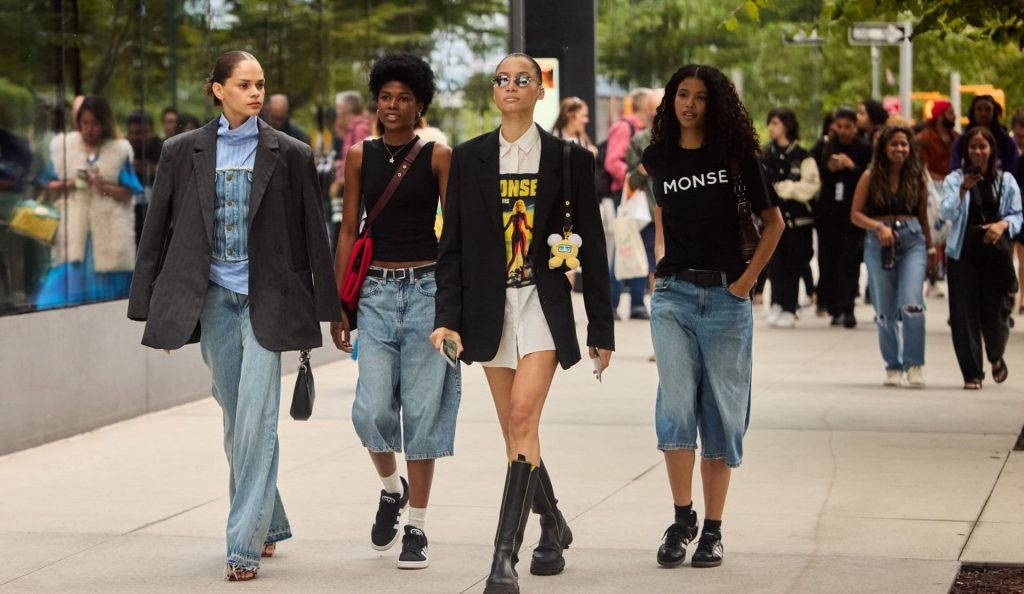
Finding Your Fashion Tribe
With so many options and identities out there, how does one find their place in the fashion world? The answer lies in both introspection and exploration.
Style as a Journey of Self-Discovery
Your clothing choices evolve as you do. What you wore at 16 might no longer feel like “you” at 30; and that’s okay. The key is to keep asking: What does this say about me? Who do I feel connected to when I wear this? Fashion becomes not just about trends, but about tuning into your own values and preferences. Over time, you begin aligning with communities that reflect those same ideals.
Connecting Through Aesthetics
When strangers have a similar vibe, it’s no coincidence that they often compliment one another. Clothes serve as a silent icebreaker and connection. If someone remarks on your secondhand coat and you’re interested in vintage style, you know you have a point of reference. Subcultures in fashion develop in this way, one link at a time. In a world that is divided, they provide a means of establishing a sense of place.
Maintaining Authenticity Amid Trends
With so many fast-moving trends, it can be tempting to jump from one aesthetic to another. But the most rewarding fashion journey is the one where your clothes reflect who you truly are. Following trends isn’t inherently bad; but blindly copying them can make fashion feel empty. When you let your clothing reflect your real identity and values, social identity clothing becomes an act of self-respect, not just self-display.
Conclusion
Fashion is a means of expression, connection, and belonging that goes far beyond fabric. Fashion subcultures, ranging from underground scenes to glossy magazines, have influenced how we identify with one another and present ourselves.
We learn from exploring various communities and styles that group fashion behavior is more about feeling seen than it is about having the same appearance. “This is who I am; and this is where I fit in.” Fashion provides a means of expressing a sense of belonging in a world where it is hard to find it. Your style is what makes you unique, whether you’re shopping on the high-fashion runways or strolling through the city. Own it. Explore it. Share it. Because through it, you just might find your tribe.