




Gender-Neutral Style: How Fashion is Embracing Fluidity
Fashion has always reflected the values of society. As we move beyond binary gender, the fashion industry is becoming more inclusive and expressive. Gender-Neutral Style isn’t just a trend, it’s a cultural shift to acknowledge and celebrate diverse identities. Unisex and nonbinary clothing are at the heart of this movement, redefining how we see and wear style.
In a world where self expression is more important than ever, being able to dress without gender labels gives people the freedom to be themselves. This is what fashion is saying about the bigger cultural conversations around identity, equality and representation. In this article, we’ll look at how fashion is embracing fluidity, the design decisions behind gender-neutral style and what this means for consumers and the industry.
The Origins and Evolution of Gender-Neutral Style
Fashion has always included elements of gender fluidity, even if subtly. Historical figures like Marlene Dietrich in tuxedos or David Bowie in glam-inspired gowns have long pushed boundaries. However, today’s conversation around gender-neutral style is rooted in inclusivity and everyday wearability, not just performance or rebellion.
Early Adopters and Cultural Shifts
In the 20th century, unisex clothing gained popularity during movements that challenged social norms, such as the feminist movement and counterculture revolutions. These moments laid the groundwork for fashion that did not conform to strict gender norms. Clothing became a tool for social commentary and identity exploration.
Mainstream Recognition
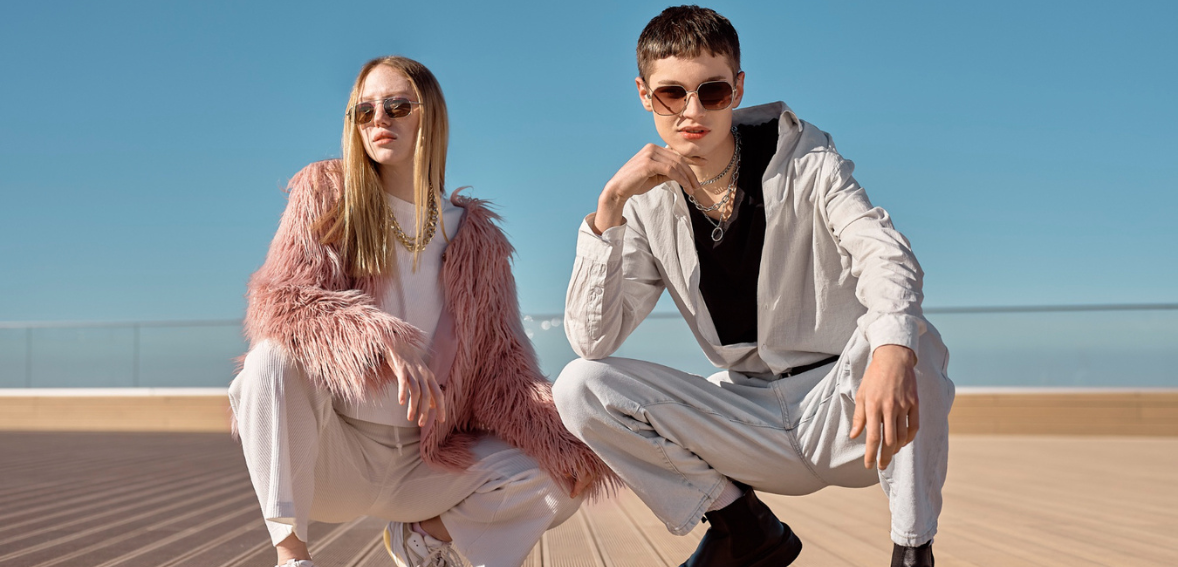
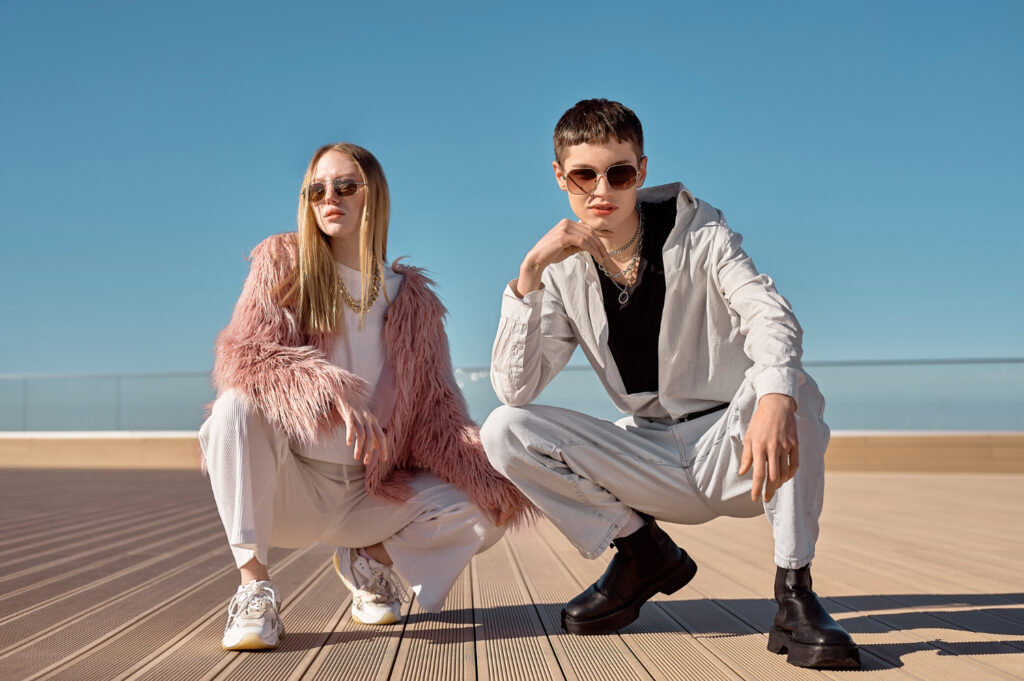
Fast forward to the present, mainstream brands and luxury labels alike are embracing nonbinary clothing design. Collections are no longer strictly divided between menswear and womenswear. Instead, they feature versatile silhouettes, fluid fabrics, and sizes that accommodate all body types. This shift reflects a broader societal embrace of diversity and authenticity.
Key Elements of Gender-Neutral Design
Designing gender neutral fashion means more than just removing labels. It means rethinking shape, fit and aesthetics to make clothing universally comfortable and flattering.
Silhouette and Structure
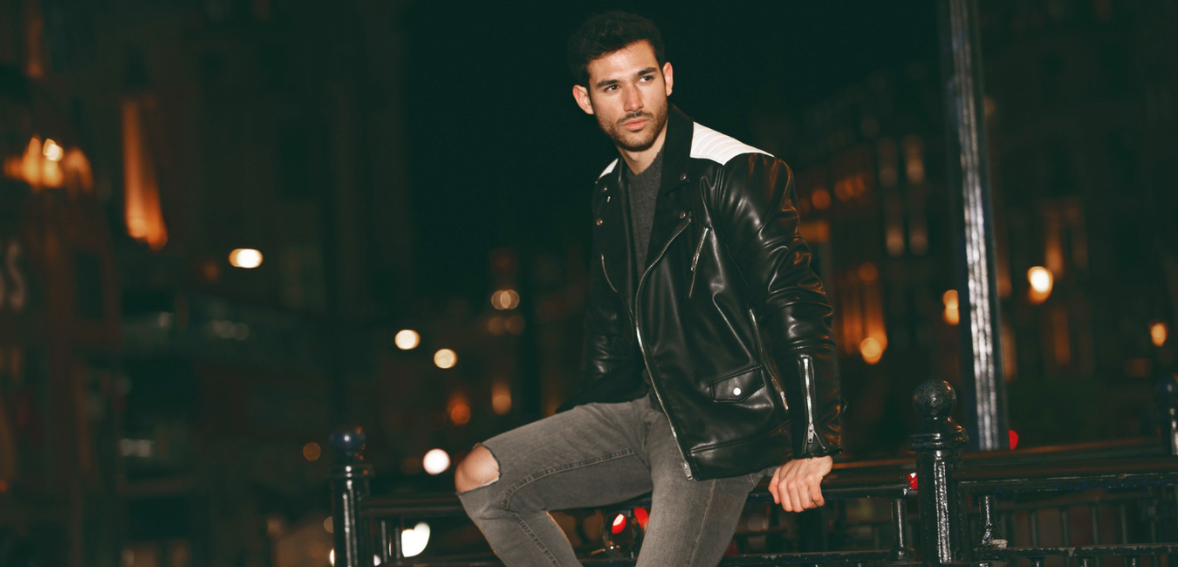
One of the main design principles is to use relaxed, oversized or boxy silhouettes that don’t accentuate traditionally masculine or feminine features. These shapes are flexible and comfortable for all body types.
Material and Texture
Neutral or breathable fabrics like cotton, linen or jersey eliminate any tactile or visual cues of gendered clothing.
Colour and Pattern
Traditional fashion relied on colour coding, gender neutral fashion has a wide colour palette. Neutral tones like beige, grey and navy are popular but bold prints and bright colours are not off limits. It’s about wearability and personality not gender signals.
Why Gender-Neutral Fashion Matters
The rise of gender-neutral fashion is about more than clothes. It represents a broader movement toward acceptance, mental health awareness, and body positivity. Clothing can affect how individuals see themselves and how they feel seen by others.
Supporting Nonbinary and Trans Communities
For individuals who do not identify within the binary framework, gender-neutral fashion offers validation and inclusion. It affirms their identity and gives them tools to express themselves without compromise.
Challenging Beauty Standards
Gender-neutral fashion also plays a role in challenging rigid beauty and body standards. By designing clothes that fit various body types and encourage freedom, the industry moves away from the unrealistic ideals often associated with traditional gendered fashion.
Encouraging Conscious Consumerism
Consumers today are more aware of how their purchases align with their values. Gender-neutral fashion encourages people to buy based on fit and function rather than gender, fostering more thoughtful consumption and reducing waste.
The Retail Response and Industry Challenges
As demand grows, brands are rethinking their strategies to cater to a broader, more inclusive audience. However, implementing these changes comes with challenges.
Rethinking Retail Layouts
Retailers are moving away from gender-divided sections and creating unified spaces that promote inclusivity. These environments encourage exploration and reduce discomfort for shoppers who do not identify with traditional categories.
Marketing and Representation
Effective communication is essential. Brands are increasingly featuring diverse models in terms of gender, race, and body size to reflect their commitment to inclusivity. Authenticity in marketing builds trust and loyalty among consumers.
Sizing and Fit Complexities
Creating a universal sizing chart is one of the most significant challenges in nonbinary clothing design. Different body types require flexibility in tailoring, which means brands must innovate in their approach to pattern making and product descriptions.
The Role of Social Media and Influencers
Social platforms have been instrumental in accelerating the adoption of gender-neutral fashion. Influencers and everyday users alike showcase how fluid fashion can look and feel in real life.
Platforms as Fashion Runways
Instagram, TikTok, and YouTube have become spaces where gender-neutral style is not only showcased but celebrated. These platforms democratize fashion and allow for authentic storytelling that resonates with diverse audiences.
Empowering Personal Style
By showing a range of ways to wear unisex clothing, content creators empower their audiences to explore new styles. This inspiration often encourages people to break out of traditional molds and experiment with looks that feel true to them.
Brands Leading the Way in Gender-Neutral Fashion
Many big and small brands are leading the charge on inclusivity.
Luxury Brands
Stella McCartney, Rad Hourani and Telfar are designing inclusively. Their collections are elegant and accessible, proving high fashion can be both expressive and inclusive.
Streetwear and Indie Brands
Wildfang, OneDNA and Official Rebrand are making big strides in unisex clothing. Their collections are everyday wear that feels real and relatable, for younger and more progressive consumers.
Retail Giants Catching Up
Even H&M and Zara are introducing gender neutral collections or reworking their sizing to reflect an inclusive philosophy. This is a sign that inclusivity is becoming mainstream rather than niche.
Looking Ahead: The Future of Fluid Fashion
As conversations around identity and equality continue, gender-neutral fashion is poised to become a lasting part of the industry rather than a passing trend. Designers and brands will need to stay responsive and engaged with their audiences to remain relevant.
Education and Industry Shifts
Fashion schools and design programs are beginning to incorporate inclusive design into their curriculum. This prepares a new generation of designers to create clothing that meets the needs of a diverse consumer base.
Collaboration and Co-Creation
Future-forward brands will likely engage consumers in the design process, using feedback and community insights to shape collections. This participatory model strengthens the connection between brand and buyer.
Sustainability and Innovation
Gender-neutral fashion often overlaps with sustainable practices. By creating versatile and long-lasting pieces, brands can appeal to environmentally conscious consumers while promoting inclusivity.
Conclusion
Gender-neutral fashion is more than an aesthetic choice. It is a reflection of a cultural movement toward inclusion, authenticity, and emotional expression. As the industry evolves, the emphasis on unisex clothing and nonbinary clothing design helps dismantle outdated norms and promotes a future where fashion belongs to everyone. From small indie labels to global fashion houses, the commitment to inclusive sizing design and representation is not just welcome but necessary. The style revolution is here, and it is fluid, fearless, and for all.