





Mirror, Mirror: Why Outfits Impact Our Mood and Daily Performance
We all have those days when a favorite outfit seems to change everything; our confidence, our attitude, even how productive we feel. It’s not just in your head. Research shows that what we wear affects how we think, behave, and engage with the world around us.
The Psychology Behind What We Wear
Every outfit tells a story, not just to the world but to ourselves. What you wear isn’t only about function or fashion; it’s a form of self-expression that taps into identity, emotion, and behavior. Before we explore how it affects performance, let’s understand how clothing is linked to our mental state and self-perception.
How Clothing Triggers Emotional Responses
Clothing can evoke emotions, memories, and even trigger behavioral changes. Wearing bright colors may uplift your mood, while dark or overly loose clothing may reflect or reinforce low energy. This is part of what makes the relationship between mood and clothing so personal and impactful. When we choose outfits that align with how we want to feel; not just how we currently feel; we often shift our emotions in that direction.
This idea of “dress the way you want to feel” is backed by studies in psychology and behavioral science. Researchers call this phenomenon “enclothed cognition”; the idea that our clothes affect our mental processes. What you wear can influence your attention span, confidence level, or even posture, depending on what the outfit represents to you.
Self-Image and Self-Worth Through Style
Our identity is influenced by our clothing choices in addition to our mood. People feel more in charge and genuine when they dress in a way that aligns with their beliefs or objectives. This confidence is evident in their speech, interactions with others, and approach to the day. For instance, someone who dresses professionally might inherently behave in a more focused and assertive manner. Conversely, even when working from home, wearing pajamas or loungewear during the day can lower motivation or energy levels, which has a direct effect on attire and output.
Clothing and Mood: How They’re Connected
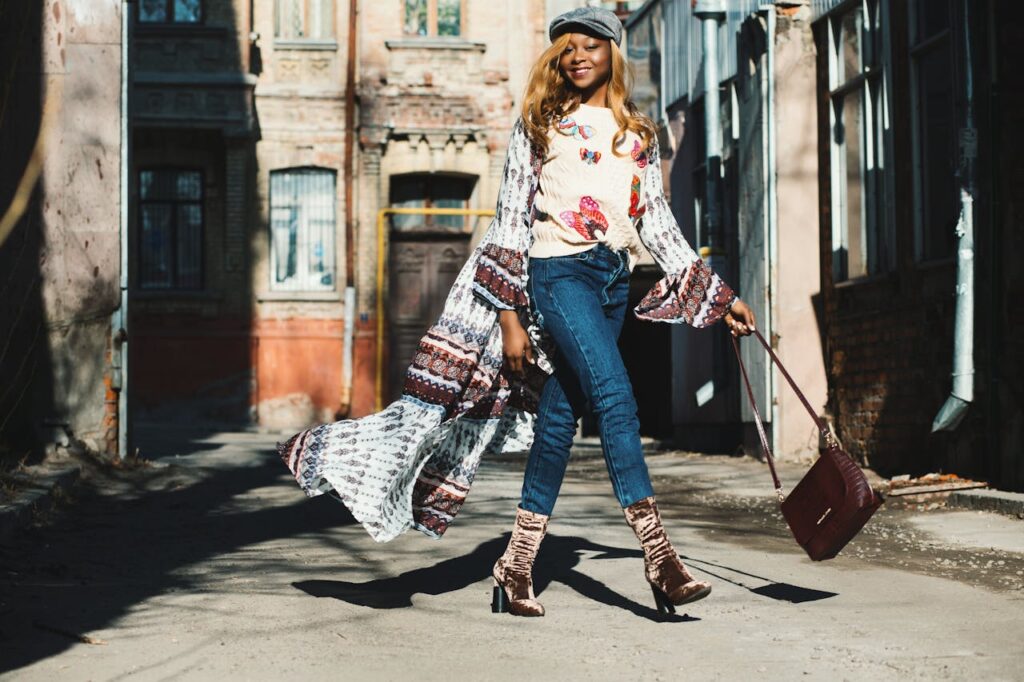
There’s more than just intuition behind the idea that your clothes can impact your mood. Color, fit, texture, and even accessories can affect how you feel internally and how you perceive yourself externally. Let’s take a deeper look at how different styles and choices influence mental and emotional states.
Colors That Speak to Emotions
Color psychology plays a major role in mood and clothing. Bright colors like yellow and orange can energize, while blues and greens may offer calm. Wearing black might make one feel powerful, while white can evoke feelings of clarity and simplicity. Everyone has personal color associations based on past experiences, but the general emotional impact of hues is remarkably consistent across cultures. That’s why wearing a certain color on a day you’re feeling low can create a psychological uplift; subtly changing your mood and behavior.
Fit and Function: Comfort vs. Restriction
Another factor that affects emotional wellness is how clothing feels on the body. In contrast to tight, constricting clothing, which can heighten anxiety or self-consciousness, comfortable, well-fitting clothing can promote calm and confidence. Your mental state often improves when you’re in good physical health. Positive associations are fostered by clothing that changes with you, accentuates your body, or feels smooth against your skin. Wearing clothing that is too small, itchy, or constricting, on the other hand, can cause discomfort all day long and subtly impair mood and concentration. Though they often go unnoticed, these subtleties in the psychological effects of clothing have a significant impact on how we think.
Dressing and Productivity: Clothing as a Performance Tool
Clothing isn’t just emotional; it’s functional. The way you dress can directly impact your performance at work, your focus on tasks, and your energy throughout the day. Let’s explore how intentional wardrobe choices can enhance mental sharpness and efficiency.
Why Dressing for the Day Matters; Even at Home
One of the most relatable examples of this effect came during the work-from-home era. Many people began their day in pajamas or casual clothes, only to realize they felt sluggish, unfocused, or disconnected from work. Switching to structured clothing, even if casual-professional, often led to an instant shift in mindset. This change supports the theory that dressing and productivity are closely tied. Clothing acts as a mental cue; it signals the brain that it’s time for action, not rest. Even small changes, like wearing shoes indoors during work hours or applying light makeup, can reinforce this psychological switch and increase alertness.
Clothing and Roleplay: Dressing the Part
Wearing clothes that are associated with particular roles, such as a suit, blazer, or uniform, helps many people “step into” that role in their minds. This has been studied in corporate, educational, and medical settings. For instance, it has been demonstrated that wearing a lab coat, even if it is merely symbolic, enhances concentration and focus on certain tasks. Mental performance can be improved by associating particular attire with professional conduct. This represents an additional layer of the psychological impact of clothing. Simply put, dressing appropriately for the position or duty you’re taking on, even if it’s only temporary, causes your mind to align with the standards and conduct of that role.
Mood and Clothing in Social and Emotional Settings
Our clothing choices also affect how we interact socially and how others perceive us. These external dynamics influence internal feelings, creating a cycle between clothing, confidence, and behavior. Let’s look at how social feedback and context-based dressing affect our self-image and performance.
Social Reinforcement and Personal Identity
When you receive compliments about your outfit or appearance, it’s more than flattery; it’s validation. Positive social feedback boosts serotonin and dopamine, creating a stronger link between mood and clothing. Feeling seen, appreciated, or stylish can change your posture, tone of voice, and level of participation in social or professional settings. Over time, consistently dressing in a way that aligns with your identity helps shape a stronger, more confident self.
Dressing for Specific Settings: Emotional Preparation
Different versions of ourselves are needed in different settings; for example, our attire for a meeting differs from that for a dinner date or a workout. You can provide mental preparedness and emotional stability by matching your outfit to the day’s objectives. Selecting the appropriate attire is a psychological process in addition to a practical one. It supports structure, improves attire, and increases productivity as you move between roles in your daily life. By establishing expectations, even ritualistic dressing; such as putting on workout attire in the morning or selecting an outfit the evening before a significant presentation; can improve mental clarity and lower stress.
The Deeper Psychological Effects of Dressing
The connection between clothing and mindset goes deeper than surface-level feelings. For some, fashion is therapy; a way to reclaim autonomy, express inner thoughts, or cope with emotional challenges. Here’s how style serves as a deeper psychological tool for healing and empowerment.
Clothing as a Form of Emotional Expression
On days when words fall short, clothes can speak for us. Choosing bold prints or soft tones can be a reflection of inner emotions. For individuals experiencing depression or anxiety, even the simple act of getting dressed can be an important step toward routine and self-care. Understanding the psychological effects of dressing allows individuals to use clothing intentionally as a tool for support. Whether it’s wearing red for courage or wrapping up in cozy textures for comfort, your wardrobe can act like emotional armor.
Clothing and Mental Health Recovery
Fashion can be a powerful tool for people recovering from trauma, low self-esteem, or problems with body image. Reclaiming your identity can be achieved by selecting clothing that accentuates your features, character, or culture. Fashion therapy is a new idea that focuses on how clothing choices aid in emotional healing. As part of holistic self-care, therapists and life coaches are increasingly recommending color psychology, mindful dressing, and wardrobe audits. In these situations, clothing and mood are not merely related; they become mutually dependent in fostering recovery and resilience.
Creating a Conscious Wardrobe for Mindset and Mood
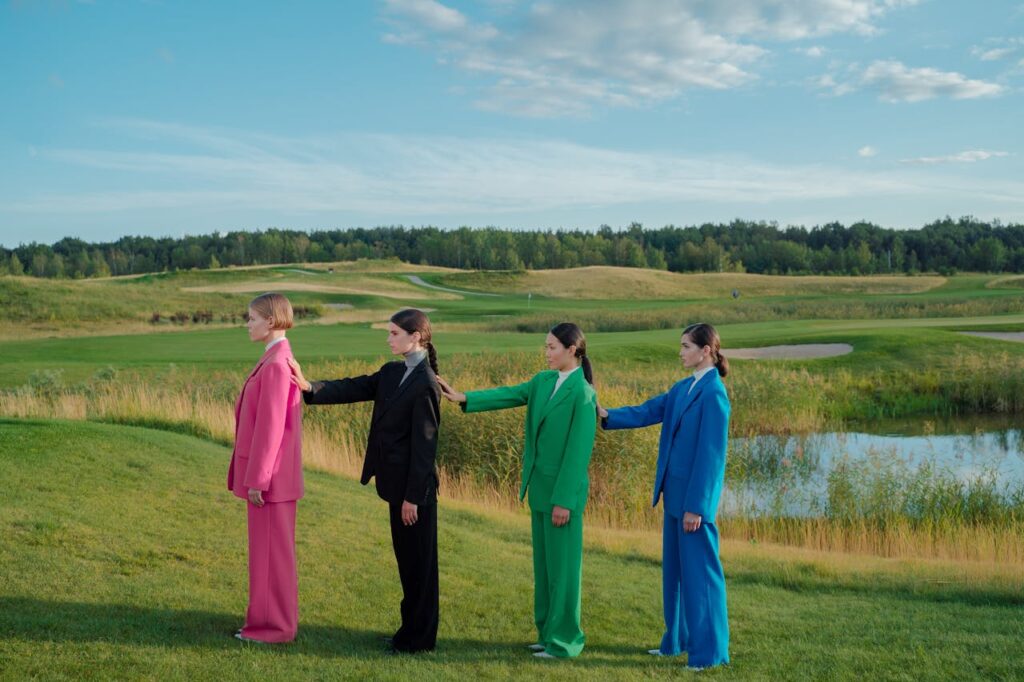
Once you understand how deeply clothing affects your mood and performance, the next step is making intentional wardrobe choices that align with your goals and emotions. Here’s how you can make dressing a daily practice of empowerment.
Build a “Mood-Boosting” Wardrobe
Take stock of outfits that make you feel confident, energized, or calm. Group them according to feelings or purposes. On days when your mental energy is low, refer to this “feel-good” section to help uplift your mood and avoid decision fatigue. Organizing your clothes by emotion or activity reinforces the link between mood and clothing and can help you start each day with intention.
Dress with Purpose, Not Pressure
It’s easy to fall into the trap of dressing based on trends, peer pressure, or body expectations. But the goal is not to impress; it’s to express. Dress for your comfort, creativity, goals, and confidence. Choose fabrics, fits, and colors that support your energy and the activities ahead. You’ll soon notice that the more your clothes align with your inner world, the better your day flows; and the stronger the connection becomes between dressing and productivity.
Conclusion
Clothing is more than fabric; it’s a form of communication, a mood shifter, and a performance enhancer. The science and psychology behind what we wear show just how influential outfits can be in shaping our mindset, behavior, and success. Make your wardrobe choices matter whether you’re dressing for a quiet day at home, going to the gym, or entering a crucial meeting.
In addition to your sense of style, you also take charge of your focus, emotional health, and self-perception when you begin dressing with intention rather than pressure. The next time you look in the mirror, keep in mind that it’s important to consider how it makes you feel as well as what you see. Since your attire is the first step in determining the course of your day, it is more than just a piece of apparel.