










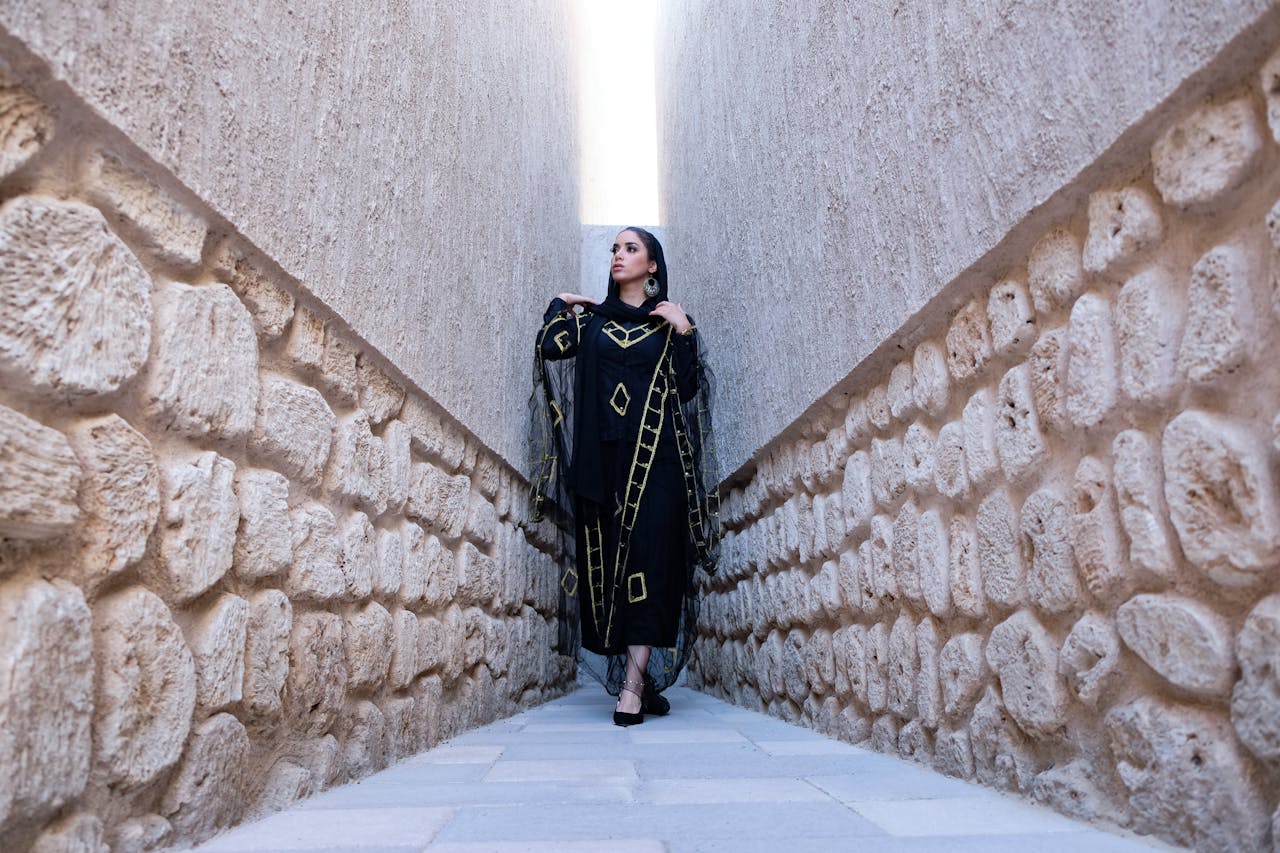
Cultural Appropriation vs. Appreciation: The Thin Line in Fashion Design
Inspiration for fashion comes from all over the world, making it a universal language. Cultural influences can be seen in everything from Native American beadwork and Japanese silhouettes to African prints and Indian embroidery. The fashion industry, however, often blurs the distinction between cultural appropriation and appreciation in this cross-cultural exchange. While incorporating elements from other traditions can celebrate diversity around the world, doing so without respect or understanding can backfire and cause harm.
Understanding where that line lies is crucial—not just for designers, but for consumers, influencers, and educators as well.
What is Cultural Appropriation in Fashion?
Cultural appropriation occurs when elements of a culture—typically one that has been historically marginalized—are adopted by members of a more dominant culture, especially without permission, understanding, or acknowledgment. In fashion, this could look like using traditional designs, garments, or symbols in a way that strips them of their original meaning or reduces them to mere aesthetics.
A typical instance is when sacred Native American headdresses are used as fashion items, or when runway models wear cornrows or bindis without any relation to the cultures from which they came. This is not merely a harmless trend—it is frequently based on historical power disparities and can reinforce stereotypes or misrepresent cultural identities.
The appropriation controversy continues to spark debate within the industry, especially as global fashion houses face increased scrutiny over their use of cultural motifs. Critics argue that failing to give credit—or worse, profiting from another culture’s heritage—shows a lack of fashion ethics and deepens existing inequalities.
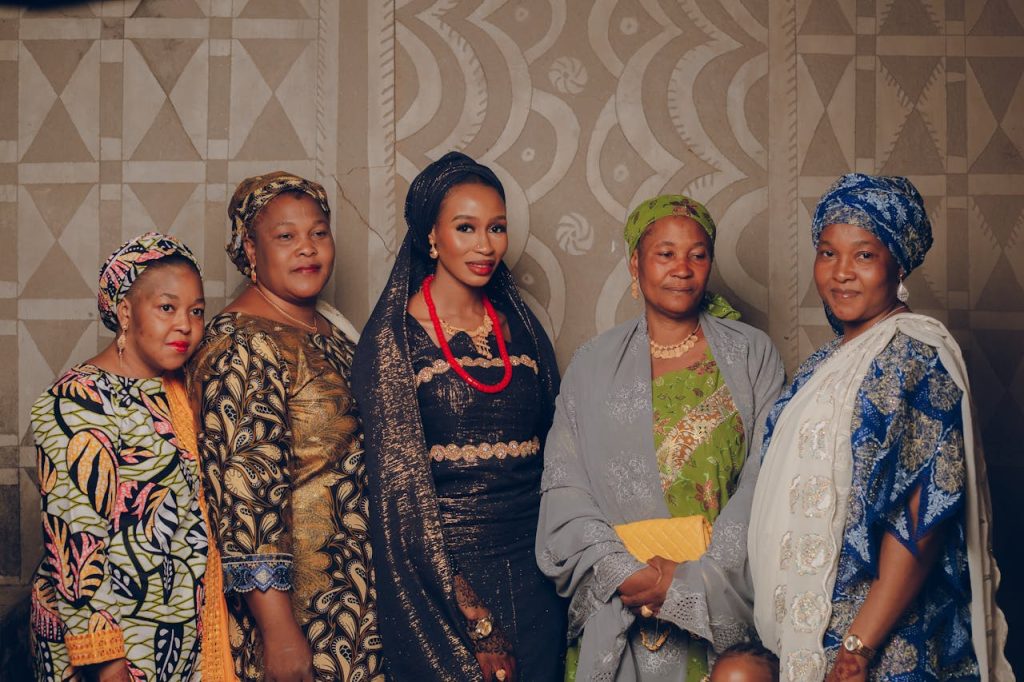
Defining Cultural Appreciation in Design
In contrast, cultural appreciation involves a genuine interest in understanding, respecting, and celebrating another culture. When done thoughtfully, designers can collaborate with artisans, study the historical significance of a garment, and credit the source appropriately.
Appreciation is rooted in cultural sensitivity. For instance, a designer may travel to learn indigenous weaving techniques directly from local craftsmen and incorporate those methods into a collection with full transparency and fair compensation. This type of engagement not only uplifts the source community but also promotes ethical fashion by preserving traditional crafts and supporting artisan economies.
The distinction is found in purpose, method, and exhibition. Is the design motivated by significant interaction, or is it just a shallow attempt? Did the designer invest effort to grasp the meaning behind the pattern, material, or symbol, or was it solely utilized for aesthetic appeal? These are the inquiries that distinguish appreciation from appropriation.
Why the Line is So Thin
Fashion is inherently visual, symbolic, and fast-paced, which makes the boundaries between inspiration and imitation difficult to navigate. A floral motif in one culture might be decorative, while in another it holds ceremonial importance. A head covering in one country may serve a religious function, while in another it’s used purely for style.
Because of this complexity, the line between cultural appreciation and appropriation is not always clear. What seems like a tribute to one person might feel like exploitation to another. This is where fashion ethics become vital. Designers and brands must actively engage with the communities they’re inspired by and ask the hard questions: Are we uplifting or exploiting? Are we being inclusive or extractive?
Adding to the challenge is the globalized nature of fashion. With the rise of social media, trends spread rapidly, often stripped of context. A traditional garment might go viral on TikTok without any acknowledgment of its cultural origins, further fueling the appropriation controversy.
Historical Context and Power Dynamics
To grasp how cultural appropriation in fashion can be damaging, it’s crucial to examine the historical context. Numerous cultures whose styles are used today have experienced colonization, displacement, and oppression. Their customs were formerly mocked, prohibited, or obliterated—only to be reclaimed by popular fashion without acknowledgment or remuneration.
For example, African hairstyles and garments were once deemed unprofessional or inappropriate. Today, they may appear on magazine covers without any recognition of their roots. This selective validation reinforces systemic inequalities and dilutes the cultural identity of marginalized communities.
Respecting history is a core component of cultural sensitivity. When fashion erases or reinterprets cultural elements without context, it perpetuates a one-sided narrative that benefits some while hurting others. This is why many activists and educators advocate for a more mindful, respectful design process within the industry.
The Role of Designers and Brands
Designers play a crucial role in setting the tone for how culture is represented in fashion. Brands that lead with integrity are those that embrace ethical fashion practices from the start. This includes:
- Collaborating with cultural custodians or artisans
- Ensuring fair wages and working conditions
- Providing proper attribution and storytelling
- Avoiding sacred symbols or ceremonial dress in casual or commercial contexts
For example, several luxury brands have shifted to working directly with indigenous communities to co-create collections that benefit both parties. This model of respectful design fosters authenticity and mutual respect, rather than extraction and exploitation.
Fashion schools and design institutions must also teach students about ethical practices in fashion and the significance of cultural awareness. By embedding these principles early on, the upcoming cohort of designers can create a more inclusive and aware fashion industry.
The Role of Consumers
Consumers are not just passive participants in fashion—they shape demand, trends, and brand reputations. With the growing emphasis on ethical fashion, shoppers are becoming more conscious of what they wear and where it comes from.
When consumers educate themselves about cultural significance, ask questions about a garment’s origin, and support brands that prioritize respectful design, they help push the industry in a more positive direction.
Being a culturally sensitive consumer might look like:
- Avoiding novelty items that misuse sacred symbols
- Supporting brands that empower local communities
- Speaking up when you see cultural elements being misused
- Learning about the traditions behind the styles you love
In this way, the general public can become allies in resolving the appropriation controversy and encouraging a deeper understanding of fashion’s impact on cultural narratives.
Notable Examples: What Went Wrong and What Went Right
To better understand the thin line between appreciation and appropriation, let’s look at some examples from the fashion world.
What Went Wrong
In 2015, Valentino’s collection inspired by Africa predominantly showcased white models with cornrows and patterns influenced by tribal designs. Critics accused the brand of benefiting from African aesthetics while excluding African designers and models. The response was rapid and underscored a deficiency in cultural awareness.
Similarly, in 2017, Gucci faced criticism for sending white models down the runway in turbans, a sacred item in Sikhism. The brand was accused of cultural appropriation and failing to respect religious significance, sparking a wider appropriation controversy.
What Went Right
On the flip side, designer Aurora James of Brother Vellies works directly with artisans in Africa, Mexico, and other regions to create sustainable, hand-crafted pieces. Her brand embodies ethical fashion by empowering the communities she collaborates with and sharing their stories.
Another great example is fashion label BODE, which incorporates vintage textiles and hand-embroidery techniques while crediting the cultures and people behind them. This kind of transparency promotes fashion ethics and inspires respectful design across the board.
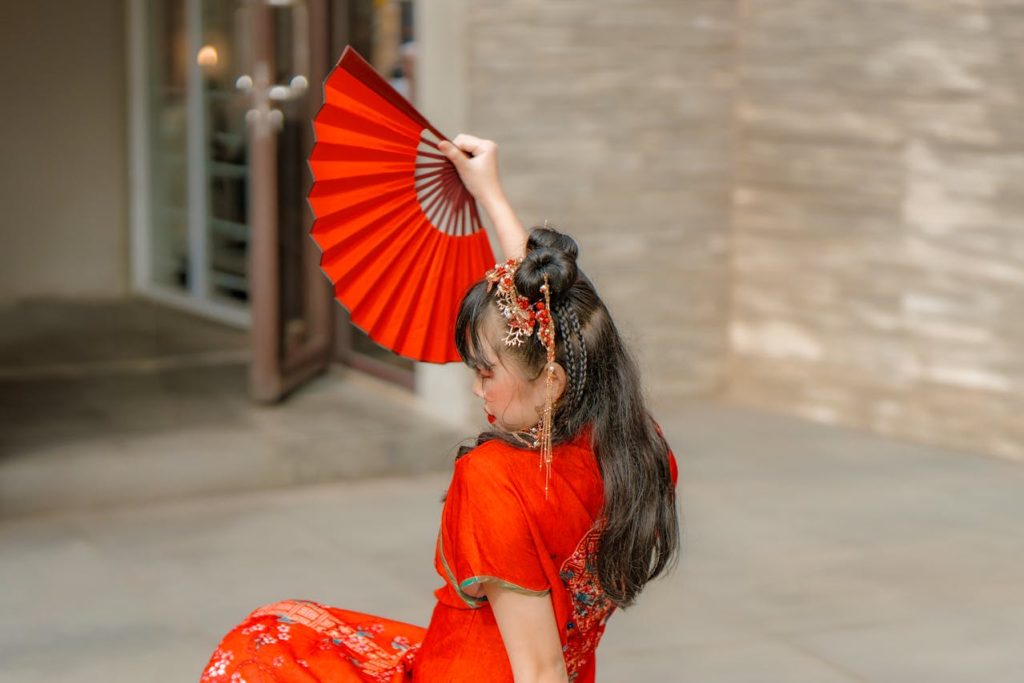
Toward a More Respectful Future
The solution isn’t to completely steer clear of cultural inspiration—it’s to interact with it thoughtfully. Fashion can bridge cultures, safeguard heritage, and narrate significant stories. However, that authority should be exercised cautiously, not with a sense of entitlement.
Here are some principles that can guide both creators and consumers:
- Do your research: Understand the origin, meaning, and significance of the elements you’re using.
- Give credit: Whether through design labels, interviews, or marketing materials, make sure the original culture is acknowledged.
- Collaborate, don’t copy: Work with artisans and cultural experts whenever possible.
- Avoid sacred or ceremonial items: Not all cultural elements are meant for public consumption.
- Be open to feedback: If a community voices concern, listen and respond respectfully.
By following these principles, fashion can move away from appropriation and toward appreciation—blending creativity with conscience.
Conclusion
Cultural exchange can be wonderful, but it must occur with purpose and regard. The fashion sector has a rich history of borrowing ideas, but now is the moment to transform that into significant collaboration. Understanding the distinction between cultural appropriation and appreciation goes beyond public relations; it involves fashion ethics, cultural awareness, and respect for human dignity. Whether you’re a designer planning your upcoming collection or a shopper selecting your next outfit, your decisions are significant.
By promoting ethical fashion and embracing respectful design, we can honor cultural heritage instead of commodifying it. Let fashion be not just a celebration of style, but a reflection of our shared responsibility to treat every culture with the care and reverence it deserves.