




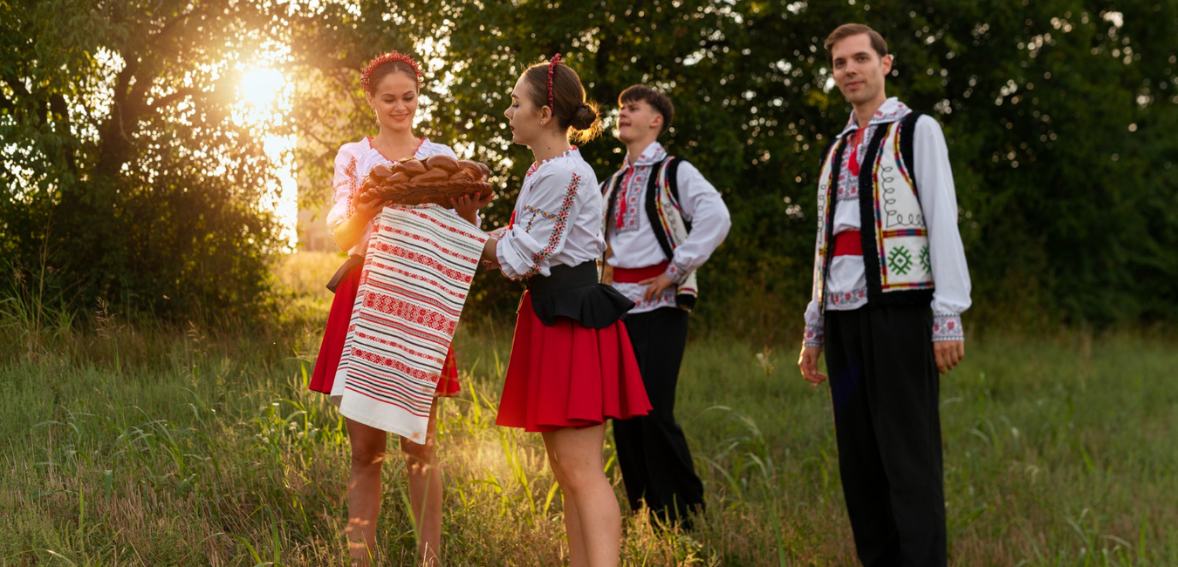






The Role of Festival Fashion and Ceremonial Dress Across Cultures
Fashion has consistently been a crucial aspect of human culture, serving an essential function in self-expression, identity, and tradition. This is particularly clear in festivals and ceremonial dress, where attire is intricately connected to traditions, rituals, and cultural importance. From the elaborate saris donned at Indian weddings to the eye-catching kimonos of Japan and the colorful outfits of the Brazilian Carnival, festival fashion and ceremonial clothing showcase the diverse heritage of various cultures.
The Significance of Ceremonial Attire
Beyond their historical and symbolic value, ceremonial garments often embody the craftsmanship and artistic expressions unique to a culture. From intricate hand-stitched embroidery to the use of natural dyes and traditional weaving techniques, these garments tell a story of generational knowledge and skilled artisanship. Whether worn during religious rites, state ceremonies, or family celebrations, ceremonial attire connects individuals to their heritage, reinforcing a sense of pride and belonging.
The Historical Importance of Clothing in Rituals
Ceremonial attire has played a crucial role in human civilization for centuries. Historically, special clothing was used to signify status, spiritual beliefs, or social roles. Ancient Egyptians adorned themselves in linen garments for religious ceremonies, while European nobility displayed elaborate robes to symbolize power. These traditions have evolved over time, yet the essence of ceremonial attire remains unchanged—celebrating heritage, conveying meaning, and preserving cultural identity.
Symbolism in Ceremonial Clothing
The symbolic nature of ceremonial attire varies across cultures. In many traditions, specific colors, fabrics, and embellishments hold significant meanings. For example:
- In Chinese culture, red symbolizes good fortune and is commonly worn at weddings and New Year celebrations.
- In Africa, kente cloth from Ghana is associated with royalty and is often worn during major festivals.
- Native American ceremonial dress incorporates intricate beadwork and feathers, representing spiritual connections.
These symbolic elements make ethnic dress an essential part of cultural rituals, ensuring that traditions are honored and passed down through generations.
Festival Fashion: A Reflection of Culture and Celebration
Festivals bring joy, celebration, and unity, with fashion significantly enhancing these moments. The clothing donned for these events not only symbolizes cultural legacy but also enables individuals to express their creativity and unique flair. Through colorful fabrics, detailed stitching, or meaningful adornments, festival attire acts as a visual expression of cultural pride and celebration.
The Role of Fashion in Global Festivals
Festivals serve as vibrant expressions of culture, bringing communities together in celebration. Fashion is a crucial aspect of these events, helping individuals showcase their heritage, creativity, and personal style. Whether it’s the flamboyant costumes of Mardi Gras or the embroidered tunics of Diwali, festival fashion adds to the festive spirit and enhances the cultural experience.
Traditional Celebrations and Their Iconic Attire
Different cultures have unique festivals that highlight the diversity of ceremonial attire. Some well-known examples include:
1. Diwali – India
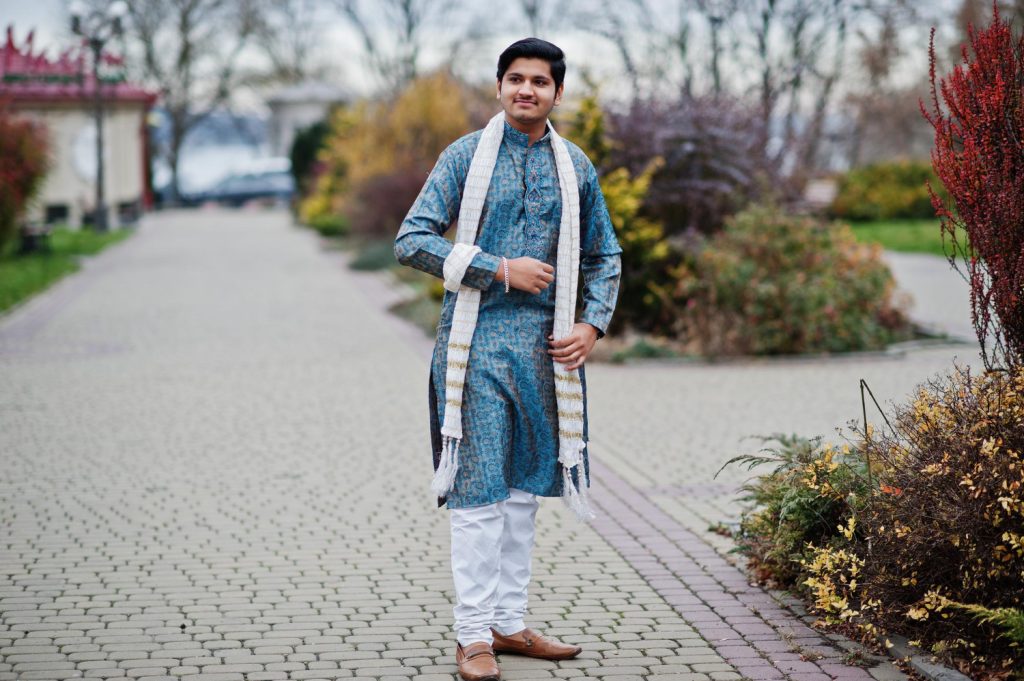
Diwali, the festival of lights celebrated by Hindus, is characterized by vibrant traditional attire. Women don intricate saris and lehengas, often in vibrant colors such as gold, red, and blue, while men choose kurta pajamas or sherwanis. The detailed stitching and radiant textiles embody the celebratory spirit of the festival.
2. Carnival – Brazil
The Brazilian Carnival is famous for its extravagant costumes, featuring feathers, sequins, and bold colors. Samba dancers wear elaborate outfits designed to dazzle, adding to the electrifying atmosphere of the event.
3. Hanbok in Korean Celebrations
During traditional Korean celebrations like Chuseok and Lunar New Year, people wear hanbok—a vibrant, structured outfit that symbolizes respect and good fortune. The attire’s bright colors and flowing design reflect the elegance of Korean heritage.
4. Oktoberfest – Germany
Oktoberfest fashion features dirndls for women and lederhosen for men. These garments, rooted in Bavarian tradition, are still widely worn during the festival, keeping the cultural heritage alive.
5. Day of the Dead – Mexico
During Dia de los Muertos, individuals wear traditional Mexican clothing, often featuring skeleton face paint and decorative embroidery. The attire honors forebears while commemorating life and death in a distinctive cultural ceremony.
Evolution of Ethnic Dress in Modern Celebrations
The development of cultural attire in contemporary festivities illustrates a vibrant interaction between heritage and creativity. As communities grow more interconnected, individuals are discovering innovative methods to maintain their cultural heritage while embracing modern trends. The younger generation, especially, is eager to celebrate their culture but usually favors more functional and adaptable versions of traditional clothing. This transformation not only enhances the accessibility of cultural fashion but also enables it to flourish in a time of swift globalization.
Fusion of Tradition and Contemporary Fashion
In today’s world, festival fashion is evolving as younger generations blend tradition with modern styles. Designers are reinventing ceremonial attire by incorporating contemporary cuts, lighter fabrics, and fusion wear that merges global influences with ethnic dress. For example, in India, Indo-western outfits are gaining popularity, combining the elegance of sarees with the practicality of gowns.
The Influence of Globalization on Ceremonial Attire
As cultures interact and influence one another, ceremonial attire is also undergoing changes. Many people mix traditional garments with modern accessories, creating unique festival fashion statements. The rise of social media has further amplified this trend, inspiring fashion enthusiasts worldwide to experiment with diverse styles while still honoring their roots.
The Role of Fashion Designers in Preserving Cultural Identity
Fashion designers act as cultural guardians, preserving traditional clothing’s significance as it adapts to modern trends. Their efforts not only bring back dwindling artistry but also promote worldwide cultural appreciation. By merging classic features with contemporary styles, designers craft items that honor tradition while attracting a broader crowd. This blend enables cultural identity to be maintained in a manner that appeals to both older and younger generations.
Reviving Traditional Techniques
Renowned designers are playing a crucial role in preserving cultural heritage through fashion. Many are reviving ancient weaving, embroidery, and dyeing techniques to ensure that ceremonial attire retains its authenticity. For instance, Japanese designers continue to produce kimonos using age-old silk painting methods, while African designers integrate traditional beadwork into contemporary festival fashion.
Promoting Sustainable Fashion in Festivals
With growing awareness of sustainability, there is an increasing emphasis on eco-friendly ceremonial attire. Many designers are focusing on organic fabrics, handwoven textiles, and ethical production methods. This shift helps protect both the environment and traditional artisans, ensuring that cultural rituals remain deeply connected to their roots.
The Emotional and Social Impact of Festival Fashion
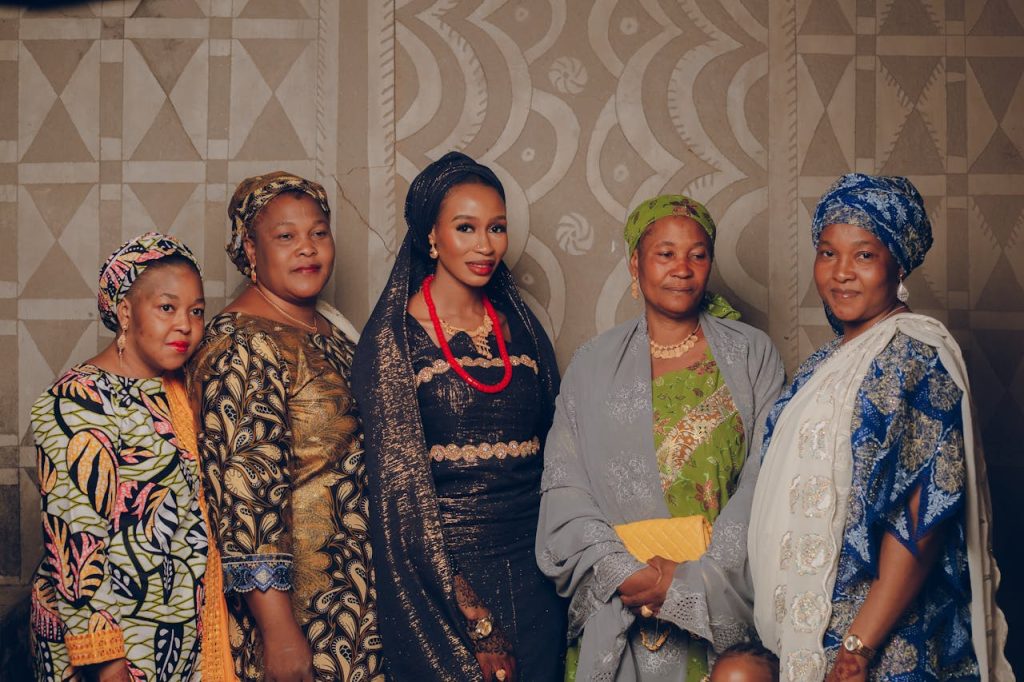
Beyond aesthetics, fashion has profound emotional and social significance during festivals and ceremonial events. People become more united and develop an emotional connection to their cultural heritage when they dress up for a festival. Traditional clothing often has sentimental value and is handed down as heirlooms through the generations, strengthening ties within the family and between individuals. Wearing a handwoven item created by regional artisans or an embroidered shawl from a grandmother makes festival fashion a treasured part of cultural storytelling.
Strengthening Cultural Pride and Identity
Wearing traditional attire during festivals fosters a sense of belonging and pride in one’s heritage. For diaspora communities, it serves as a way to reconnect with their cultural origins and pass traditions on to future generations. Ethnic dress plays an essential role in reinforcing identity and celebrating diversity.
Enhancing the Festive Experience
Festival fashion is more than just clothing—it enhances the celebratory atmosphere, making special occasions even more memorable. Whether through intricate jewelry, vibrant fabrics, or symbolic accessories, ceremonial attire contributes to the overall magic of cultural rituals.
Conclusion
Across cultures, festivals and ceremonial dress are inextricably linked to fashion. Clothes continue to be an essential part of cultural rituals, from traditional festivals to contemporary interpretations of ethnic attire. Ceremonial dress, whether it be the splendor of Carnival costumes, the elegance of a kimono, or the vibrancy of a sari, preserves heritage, expresses identity, and brings communities together in celebration. Festival fashion continues to serve as a link between the past and the present as it develops, guaranteeing that cultural customs endure in a world that is changing quickly.