




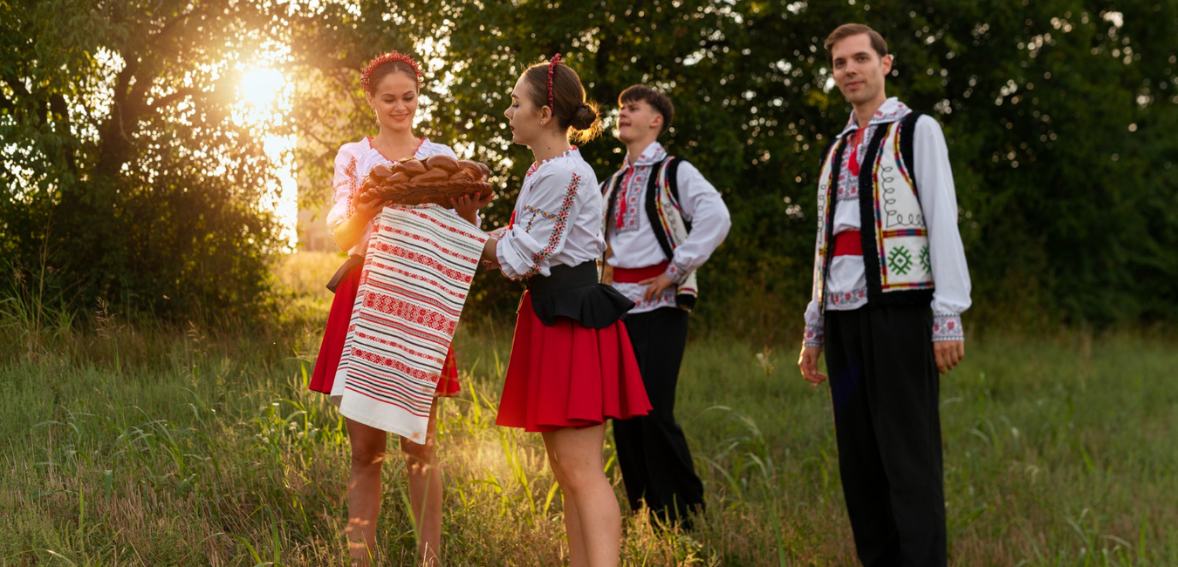






Love Affair with Folklore Fashion: Reviving Traditional Attire in Contemporary Styles
Fashion has consistently mirrored culture, history, and identity. In recent times, there has been an increasing interest in folklore fashion, as designers and brands draw inspiration from traditional clothing, blending it with contemporary styles. This heritage resurgence goes beyond being a mere trend; it represents a movement aimed at safeguarding and honoring traditional craftsmanship, textiles, and cultural clothing.
From intricate embroidery to indigenous weaving techniques, the revival of traditional craftsmanship is shaping contemporary fashion like never before.
The Resurgence of Folklore Fashion in the Modern World
Fashion trends have consistently changed in cycles, but the revived interest in folklore fashion indicates a greater appreciation for heritage and sustainability. Designers are increasingly attracted to classic apparel styles, modifying them to satisfy the demands of modern consumers while preserving their cultural significance.
Several factors have contributed to this resurgence:
- Cultural Appreciation and Identity: People are becoming more interested in their roots, leading to an increased demand for ethnic wear that reflects their heritage.
- Sustainability and Slow Fashion: Traditional textiles and hand-crafted garments align with the slow fashion movement, emphasizing quality over mass production.
- Designer Influence: Renowned designers are incorporating traditional craftsmanship into their collections, giving folklore fashion a modern twist.
- Celebrity Endorsement: Celebrities and influencers showcasing ethnic wear have played a pivotal role in making folklore fashion mainstream.
This revival highlights the growing importance of traditional craftsmanship and its impact on contemporary fashion.
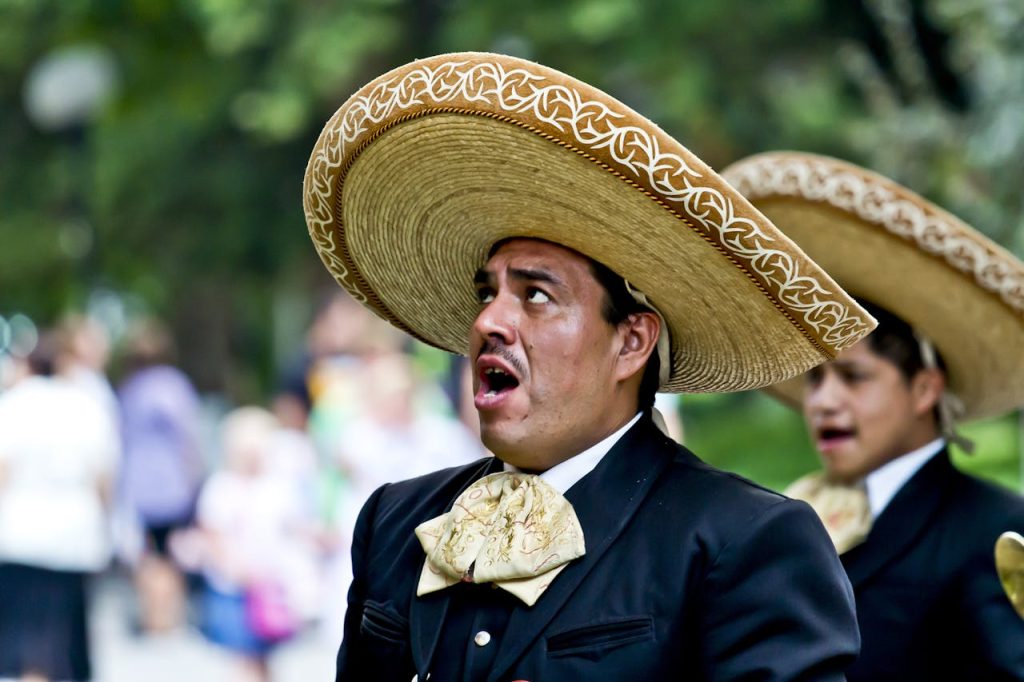
Heritage Revival: Blending Past and Present in Fashion
Heritage revival denotes the reimagining of traditional clothing styles by integrating contemporary features. Numerous designers draw inspiration from historical motifs, elaborate stitching, and native fabrics, turning them into fashionable modern attire.
Key Aspects of Heritage Revival in Fashion:
- Reinterpreted Silhouettes: Designers are modifying traditional garments such as kimonos, sarees, and kaftans to create new-age ensembles.
- Fusion of Old and New: Elements from folklore fashion, such as handwoven fabrics and handcrafted accessories, are blended with modern cuts and designs.
- Global Influence: While traditional attire often reflects a particular region, global designers are fusing multiple ethnic styles to create unique, hybrid fashion statements.
This harmonious mix of historical textiles and modern aesthetics ensures that heritage fashion remains relevant in today’s fast-paced world.
The Role of Ethnic Wear in Contemporary Fashion Trends
Ethnic wear is now not restricted to celebrations or cultural events. As appreciation for heritage styles increases, traditional attire has found its place in everyday outfits. Brands are currently providing updated iterations of traditional clothing, enhancing their accessibility and practicality.
How Ethnic Wear is Evolving:
- Street Style Integration: Traditional skirts, embroidered jackets, and handcrafted accessories are now popular in street fashion.
- Workplace Chic: Many professionals are incorporating elements of folklore fashion into their office attire, such as handloom kurtas paired with contemporary trousers.
- Fusion Wear: Combining ethnic fabrics with Western cuts, such as pairing a silk blouse with denim or wearing an embroidered tunic as a dress.
This transformation of ethnic wear ensures that heritage fashion is no longer confined to a niche market but embraced by mainstream audiences.
Traditional Craftsmanship: The Heart of Folklore Fashion
At the heart of folklore fashion is traditional craftsmanship, encompassing a range of handloom methods, embroidery techniques, and artisanal practices inherited across generations. These traditional skills add genuine quality and cultural richness to contemporary fashion.
Key Elements of Traditional Craftsmanship:
- Handloom Weaving: Fabrics such as Banarasi silk, Pashmina wool, and Ikat textiles continue to be integral to folklore fashion.
- Embroidery and Surface Ornamentation: Techniques like Zardozi, Chikankari, and Phulkari add intricate detailing to contemporary clothing.
- Natural Dyeing Techniques: Many designers now focus on natural and plant-based dyes to maintain the authenticity of traditional textiles.
- Handcrafted Accessories: Jewelry, bags, and footwear inspired by ethnic artistry complete the folklore-inspired look.
This dedication to craftsmanship ensures that the legacy of traditional artisans continues to thrive in the modern fashion industry.
Historical Textiles: Reviving the Fabric of the Past
Historical textiles embody narratives of cultural development, artistry, and local impacts. These textiles, which were previously limited to certain communities, are now being brought back to life by designers and fashion brands.
Examples of Historical Textiles Making a Comeback:
- Brocade Fabrics: Rich, ornate brocades from India and China are being used in contemporary gowns and jackets.
- Tartan and Plaid: Originally associated with Scottish heritage, these patterns are now mainstream in modern fashion.
- Kente Cloth: This Ghanaian fabric has gained global popularity, appearing in runway collections and everyday fashion.
- Batik and Block Prints: Traditional prints from Indonesia and India are being reimagined in stylish dresses, scarves, and outerwear.
By embracing these historical textiles, designers not only celebrate tradition but also promote sustainable and ethical fashion practices.

Why Folklore Fashion Matters: The Cultural and Economic Impact
Folklore fashion goes beyond being a temporary fad; it carries important cultural and economic significance. The comeback of heritage-inspired clothing aids artisans, boosts local economies, and nurtures a sense of identity for those who wear it.
The Cultural Significance:
- Preservation of Traditions: Encourages artisans to continue their craft, preventing the loss of heritage skills.
- Increased Cultural Awareness: Helps younger generations connect with their roots and appreciate the beauty of traditional attire.
The Economic Impact:
- Boosting Artisan Communities: Demand for traditional craftsmanship provides employment to skilled artisans.
- Promoting Ethical Fashion: Many folklore fashion brands focus on fair trade and ethical production practices.
- Global Market Expansion: Traditional attire is no longer region-specific, as international audiences embrace ethnic wear.
These factors highlight why folklore fashion is more than just a nostalgic revival—it is a movement shaping the future of the fashion industry.
Conclusion
The revival of folklore fashion represents a beautiful blend of tradition and modernity. From heritage textiles to ethnic wear, fashion designers are embracing the richness of traditional craftsmanship and historical textiles, ensuring that cultural narratives remain alive in contemporary wardrobes.
As consumers grow increasingly aware of their fashion decisions, adopting folklore fashion enables them to honor their heritage while expressing sustainable and ethical style preferences. Through handwoven textiles, embroidered designs, or blended outfits, folklore fashion is here to stay, showcasing that tradition and creativity can harmoniously exist together.
With the growing demand for authenticity, sustainability, and cultural appreciation, folklore fashion will continue to inspire designers, artisans, and fashion enthusiasts worldwide. This love affair with tradition is not just a phase—it is a timeless appreciation of history, artistry, and identity.