











The Global Runway: How Cultural Traditions Shape Modern Fashion
Fashion reflects history, identity, and cultural heritage and is more than just clothes. Global fashion trends have been shaped by designers drawing inspiration from traditional clothing and local materials. Cultural traditions continue to have a big impact on how the fashion business is changing as contemporary runway trends change. Fashion designers constantly use cultural influences to produce distinctive and captivating designs, from Indian needlework to Japanese kimonos and African prints.
The Influence of Cultural Heritage on Fashion
Cultural heritage is a cornerstone of fashion, providing designers with a rich source of inspiration. Across the globe, various civilizations have contributed unique styles, fabrics, and techniques that continue to influence modern fashion.
Traditional Attire as a Fashion Statement
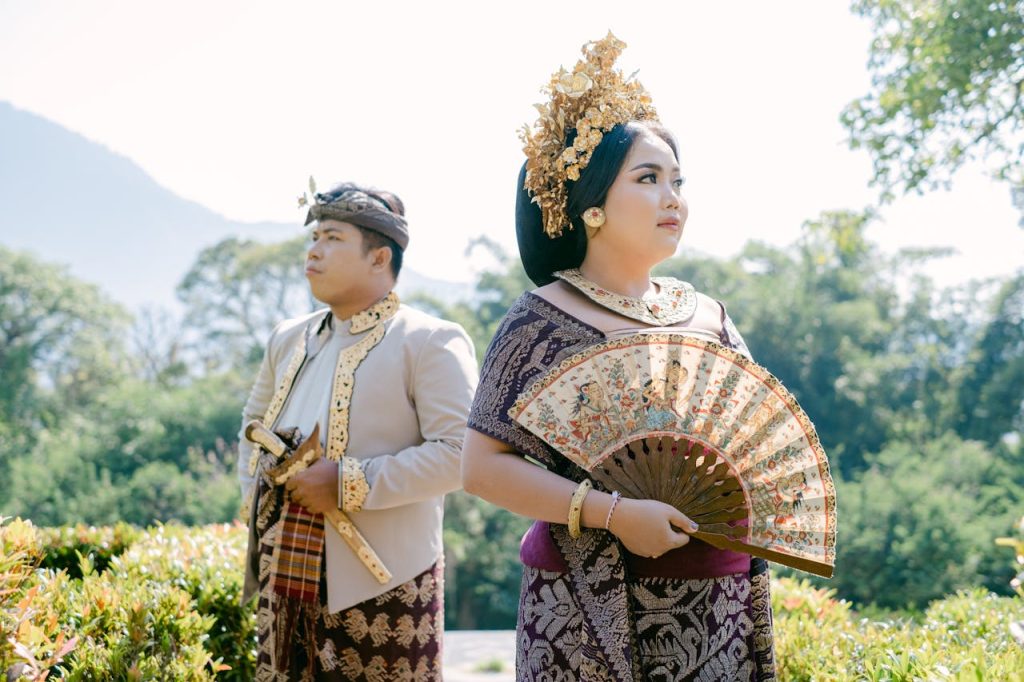
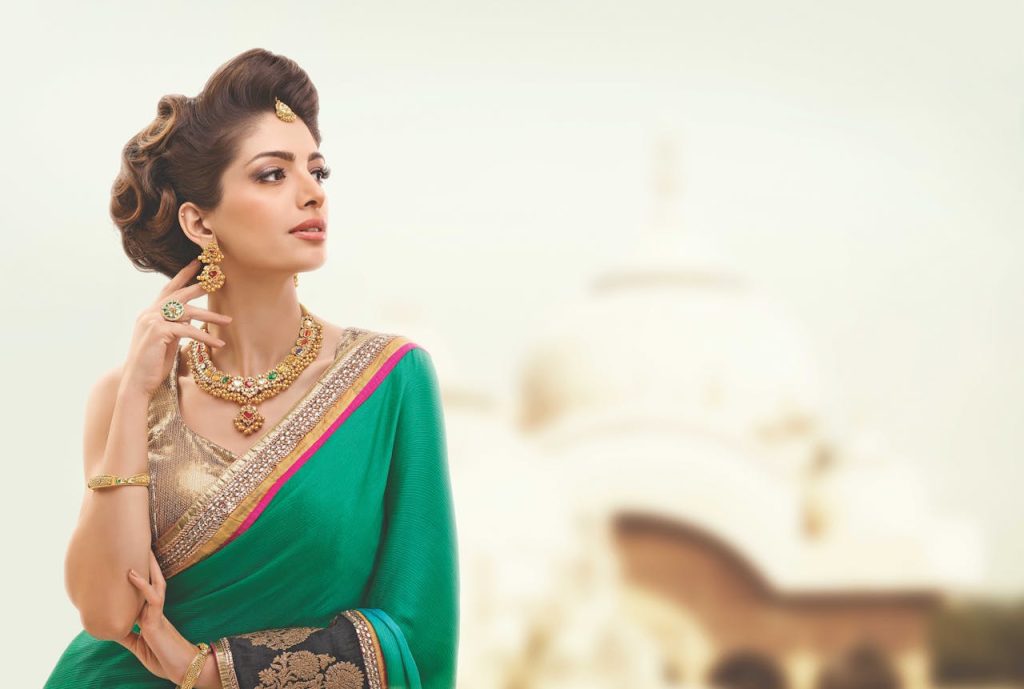
Many designers draw inspiration from traditional attire, adapting it for contemporary fashion. Whether it is the elegant draping of an Indian sari, the structure of a Japanese kimono, or the intricate beadwork of African garments, cultural elements frequently find their way onto global runways. Traditional attire carries historical and social significance, and designers often reinterpret these elements to make them more suitable for modern lifestyles.
For example, premium companies like as Dior and Valentino have included traditional themes from various cultures into their designs, demonstrating that cultural heritage is still an important aspect of high fashion. By incorporating these elements, designers provide global prominence to traditional clothing while also encouraging cross-cultural understanding.
Indigenous Textiles and Their Global Impact
Indigenous textiles are deeply embedded in the history of many cultures. These fabrics, often handcrafted using age-old techniques, have a distinct identity that sets them apart in the fashion industry.
The Craftsmanship of Indigenous Textiles
The beauty of indigenous textiles lies in their craftsmanship. Handwoven fabrics such as Indian Banarasi silk, Ghanaian Kente cloth, and Peruvian Alpaca wool represent centuries of skill and artistry. These textiles are often created using sustainable methods, making them appealing to modern designers looking for eco-friendly alternatives.
Designers contribute to the preservation of traditional weaving methods by integrating indigenous textiles into their collections. Labels such as Stella McCartney and Patagonia have collaborated with native artisans to produce clothing that honors cultural heritage while prioritizing environmental sustainability.
Indigenous Fabrics in High Fashion
Many renowned designers have used indigenous textiles in their runway trends. The use of batik prints in contemporary dresses, ikat patterns in high-fashion collections, and the prominence of Mexican Otomi embroidery in couture pieces demonstrate how these fabrics have transitioned from cultural heritage to mainstream fashion.
Incorporating indigenous textiles into high fashion not only showcases their aesthetic appeal but also creates economic opportunities for artisans worldwide. By collaborating with local weavers and craftsmen, designers contribute to the preservation of cultural heritage while promoting fair trade practices.
The Fusion of Traditional and Modern Elements
One of the most fascinating features of global fashion is the effortless integration of traditional and contemporary elements. Designers explore historical patterns, shapes, and decorations while blending modern methods to produce unique creations.
Adapting Traditional Designs for Modern Fashion
Modern designers often modify traditional attire to fit contemporary styles. For example:
- The qipao, a traditional Chinese dress, has been modernized with shorter hemlines and contemporary fabrics.
- African Ankara prints have been incorporated into Western-style blazers, skirts, and jumpsuits.
- The Indian lehenga has been transformed into chic, ready-to-wear gowns suitable for global audiences.
This fusion of old and new makes cultural heritage more accessible to younger generations while maintaining the essence of traditional attire.
The Role of Cultural Appreciation vs. Appropriation
As global fashion borrows from different cultures, it raises the question of cultural appreciation versus appropriation. While cultural exchange is essential for creativity, it is crucial for designers to honor the origins of their inspirations.
Cultural appreciation means recognizing and valuing the heritage of traditional clothing and native fabrics, frequently by partnering with craftsmen from that culture. Conversely, cultural appropriation takes place when components of a culture are utilized without adequate acknowledgment or understanding.
To ensure ethical fashion practices, designers and brands must engage with cultural communities, give credit where it is due, and support traditional craftsmen.
Global Runway Trends Influenced by Culture
Every year, fashion weeks around the world feature collections that celebrate cultural diversity. Runway trends often highlight elements from various traditions, proving that cultural heritage remains a strong force in global fashion.
Bohemian and Tribal Influences
Bohemian fashion, with its flowing silhouettes and intricate embroidery, has its roots in Eastern European and Central Asian traditions. Similarly, tribal-inspired designs, featuring bold prints and handcrafted accessories, take inspiration from indigenous cultures in Africa and South America.
Asian Aesthetics in Fashion
From Chinese silk to Japanese simplicity, Asian aesthetics have made a significant impact on worldwide fashion. The organized beauty of the kimono, the lively patterns of Indian fabrics, and the intricate features of Thai silk all play a role in modern fashion trends.
Designers such as Guo Pei, Manish Malhotra, and Issey Miyake have brought Asian cultural elements into the limelight, celebrating their rich heritage through modern fashion.
African Prints and Textiles
African fashion has gained international recognition, with designers embracing the bold and vibrant aesthetics of traditional African prints. Wax prints, kente, and mud cloth have made their way onto global runways, blending cultural heritage with contemporary styles.
Luxury brands like Burberry and Versace have incorporated African-inspired prints into their collections, demonstrating the growing influence of African fashion on a global scale.
The Future of Cultural Influence in Fashion
As the fashion industry evolves, cultural heritage will stay an essential aspect of its landscape. As awareness of ethical fashion grows, designers are focusing on sustainable practices while honoring cultural traditions.
Ethical Fashion and Cultural Sustainability
Sustainability is a major focus in modern fashion, and traditional weaving and dyeing techniques align with this movement. Many indigenous textiles are created using environmentally friendly methods, such as natural dyes and handloom weaving, making them ideal for the sustainable fashion industry.
Brands are increasingly recognizing the value of cultural sustainability—ensuring that artisans receive fair wages, preserving traditional craftsmanship, and respecting cultural narratives in design.
Technology Meets Tradition
With technological advancements, fashion designers can now digitize classic patterns, explore 3D printing, and utilize artificial intelligence to modernize traditional designs. This fusion of innovation and heritage guarantees that cultural aspects persist in the dynamic fashion landscape.
Conclusion
Cultural traditions have always been a driving force behind global fashion trends. From traditional attire to indigenous textiles, these influences shape modern fashion by providing designers with a vast array of inspirations. The presence of cultural heritage on the runway highlights the beauty of diversity, allowing different traditions to be celebrated on a global stage.
As fashion progresses, it is crucial to find a balance between creativity and honoring cultural heritage. By embracing classic artisanal methods, working alongside craftsmen, and promoting ethical fashion, the industry can maintain and celebrate the cultural heritage that contributes to the uniqueness of global fashion.