






The Hip-Hop Fashion: How Black Culture Redefined Fashion Worldwide
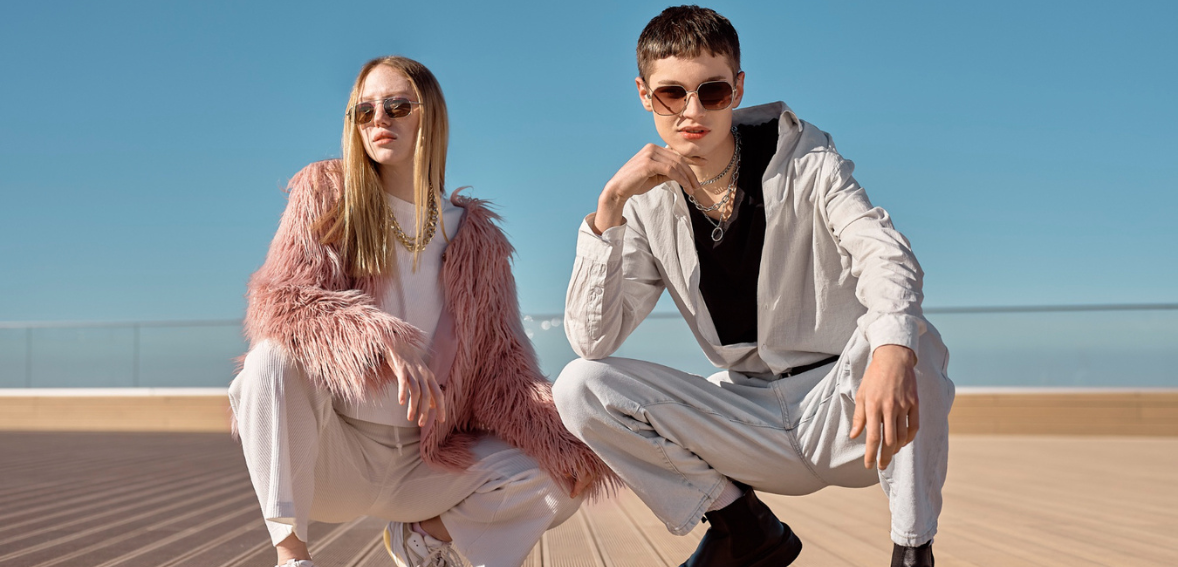
Hip-hop is more than just a music genre—it is a cultural movement that has reshaped art, language, and most notably, fashion. Emerging from the streets of New York in the 1970s, hip-hop fashion has since evolved into a global phenomenon. What started as an expression of rebellion and identity within Black communities has transformed into mainstream urban style, influencing luxury brands, high-end designers, and everyday streetwear culture.
From the emergence of the sneaker revolution to baggy jeans and oversized jerseys, hip-hop fashion has consistently evolved to reflect the voices of its wearers. This article explores the influence of Black designers, the ways in which hip-hop culture has influenced the fashion industry, and the continuous global evolution of urban style.
The Birth of Hip-Hop Fashion
Hip-hop fashion didn’t emerge overnight—it was a gradual evolution shaped by social and cultural influences. In its early years, hip-hop style reflected both the struggles and creativity of Black communities, using clothing as a means of self-identity and defiance against mainstream expectations. The streets became fashion runways, where individuality was celebrated through bold choices, from baggy pants to flashy accessories. Over time, what started as a grassroots movement caught the attention of the broader fashion industry, transforming into a global phenomenon.
Early Influences and Street Style
Hip-hop fashion’s early years were based on individuality and ingenuity. Hip-hop artists and fans drew inspiration from the streets in the late 1970s and early 1980s, fusing elements of everyday casual wear, sportswear, and military attire. Oversized apparel, bomber jackets, and bucket hats became essential components of urban style, and early hip-hop artists adopted brands like Adidas, Puma, and Kangol.
Run-D.M.C. played a significant role in popularizing sportswear within hip-hop culture. Their 1986 hit “My Adidas” led to a groundbreaking endorsement deal with the brand, marking the first major collaboration between a hip-hop group and a fashion company. This moment set the stage for future partnerships between hip-hop artists and major fashion labels.
The Golden Age of Hip-Hop Fashion (1980s-1990s)
As hip-hop gained more recognition in the 1980s and 1990s, fashion became an even more integral part of the movement. This era saw the rise of bold, flashy styles, with oversized silhouettes, gold chains, and designer labels becoming synonymous with hip-hop culture.
- The Role of Black Designers: Designers like Dapper Dan pioneered a unique style that blended luxury branding with hip-hop aesthetics. Based in Harlem, Dapper Dan repurposed high-end fabrics from brands like Gucci and Louis Vuitton to create custom outfits for rap icons like LL Cool J and Big Daddy Kane. Although initially shut down by luxury brands, his influence was undeniable, and decades later, these same brands would embrace hip-hop-inspired fashion.
- The 1990s saw the rise in popularity of baggy jeans, Timberland boots, and oversized jerseys. Hip-hop communities have come to associate this style with artists such as Tupac Shakur and The Notorious B.I.G.
- The Rise of Streetwear Culture: Brands like FUBU (For Us, By Us) and Karl Kani emerged during this time, celebrating Black entrepreneurship and providing stylish, hip-hop-inspired clothing specifically designed for the culture.
The Sneaker Revolution: Hip-Hop’s Influence on Footwear
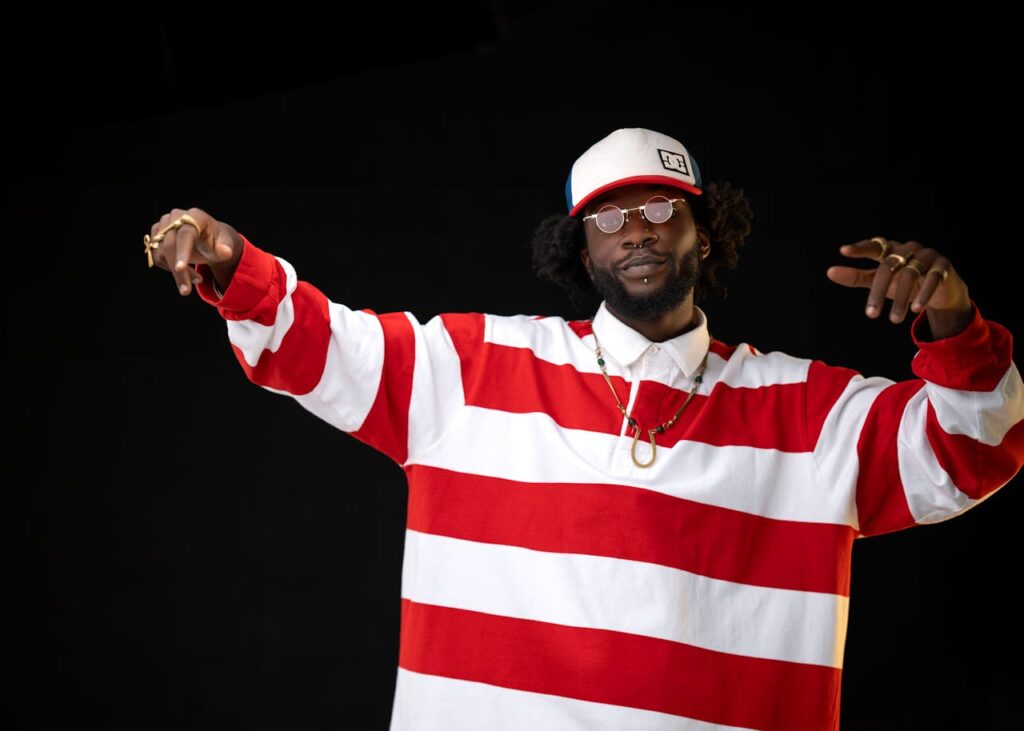
One of the most significant aspects of hip-hop fashion is its impact on sneaker culture. The sneaker revolution within hip-hop started with Adidas in the 80s and grew exponentially in the 90s and 2000s.
- Nike and Jordan Brand: Michael Jordan’s Air Jordans, though rooted in basketball, became a hip-hop staple thanks to rap artists incorporating them into their wardrobes. Over the years, hip-hop’s love for Jordans has kept the sneaker brand at the forefront of streetwear culture.
- Rappers as Sneaker Designers: Hip-hop artists created sneakers in addition to wearing them. Kanye West transformed sneaker culture with the Yeezys, Jay-Z teamed up with Reebok, and Travis Scott still works with Nike to produce some of the most sought-after sneakers.
- Limited Edition Drops and Hype Culture: The exclusivity of sneakers has become a major part of urban style. Hip-hop artists and influencers helped shape the resale market, where limited-edition sneakers could sell for thousands of dollars, turning footwear into both a fashion statement and a form of investment.
The Luxury Industry Embraces Hip-Hop Fashion
Hip-hop’s influence on fashion is no longer confined to streetwear. Luxury brands have fully embraced the hip-hop aesthetic, making it a key component of high fashion.
The Role of Black Designers in High Fashion
Black designers have played a crucial role in merging hip-hop fashion with luxury. Visionaries like Virgil Abloh, the late artistic director of Louis Vuitton, transformed the brand by incorporating hip-hop elements into its collections. His Off-White label, heavily influenced by streetwear culture, became one of the most influential brands in high fashion.
Other Black designers, such as Kerby Jean-Raymond of Pyer Moss, continue to challenge industry norms by celebrating Black culture in their work. Their designs, often infused with social and political messages, push the boundaries of what fashion represents.
Hip-Hop Collaborations with Luxury Brands
Luxury fashion houses that once distanced themselves from hip-hop now actively seek collaborations with rappers and streetwear designers. Some iconic partnerships include:
- Gucci x Dapper Dan: After initially shutting down his operations in the 90s, Gucci later collaborated with Dapper Dan, bringing his hip-hop-inspired designs into mainstream high fashion.
- Louis Vuitton x Kanye West: Before launching Yeezy, Kanye West collaborated with Louis Vuitton to release a luxury sneaker collection, bridging the gap between streetwear and high fashion.
- Burberry x Skepta: UK grime artist Skepta partnered with Burberry, proving that hip-hop fashion isn’t just an American movement but a global force.
The Evolution of Urban Style in the 21st Century
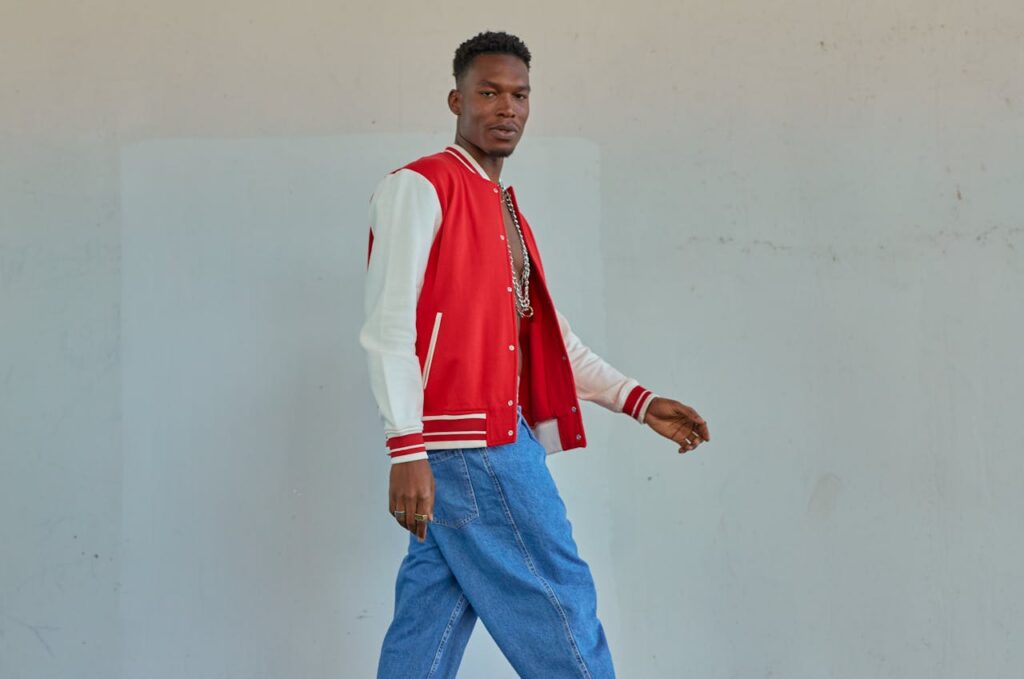
The 21st century continues the tradition of hip-hop fashion reflecting societal shifts. Hip-hop style keeps changing as the world grows more interconnected, fusing traditional and contemporary elements. Urban style continues to dominate cultural discussions, from embracing sustainability to questioning gender norms. With street labels influencing haute couture and luxury brands embracing hip-hop aesthetics, the lines separating high fashion from streetwear culture are becoming increasingly hazy.
The Rise of Gender-Neutral Fashion
Hip-hop fashion has always been about breaking norms, and today, it continues to push boundaries with gender-neutral styles. Artists like Young Thug and Lil Uzi Vert embrace androgynous fashion, proving that hip-hop style isn’t confined to traditional masculinity.
The Influence of Social Media and Digital Fashion
Social media has further propelled hip-hop fashion into the mainstream. Platforms like Instagram and TikTok allow artists and influencers to showcase their style instantly, making trends more accessible. The digital age has also introduced virtual fashion, where brands collaborate with gaming companies to sell digital streetwear.
Conclusion
Hip-hop fashion has come a long way from its humble beginnings. What started as a cultural expression in Black communities has evolved into a global industry that influences everything from streetwear culture to high-end luxury brands. The sneaker revolution, urban style, and the contributions of Black designers have all played a role in shaping modern fashion.
Hip-hop’s influence on the fashion industry will change as it does. Hip-hop’s influence is still as strong as ever, whether it is through luxury fashion partnerships, innovative streetwear, or ground-breaking sneaker collaborations. Hip-hop fashion is a movement that will continue to redefine style globally, not just a passing trend.