









Beyond Borders: The Rise of Cross-Cultural Fusion in Global Fashion
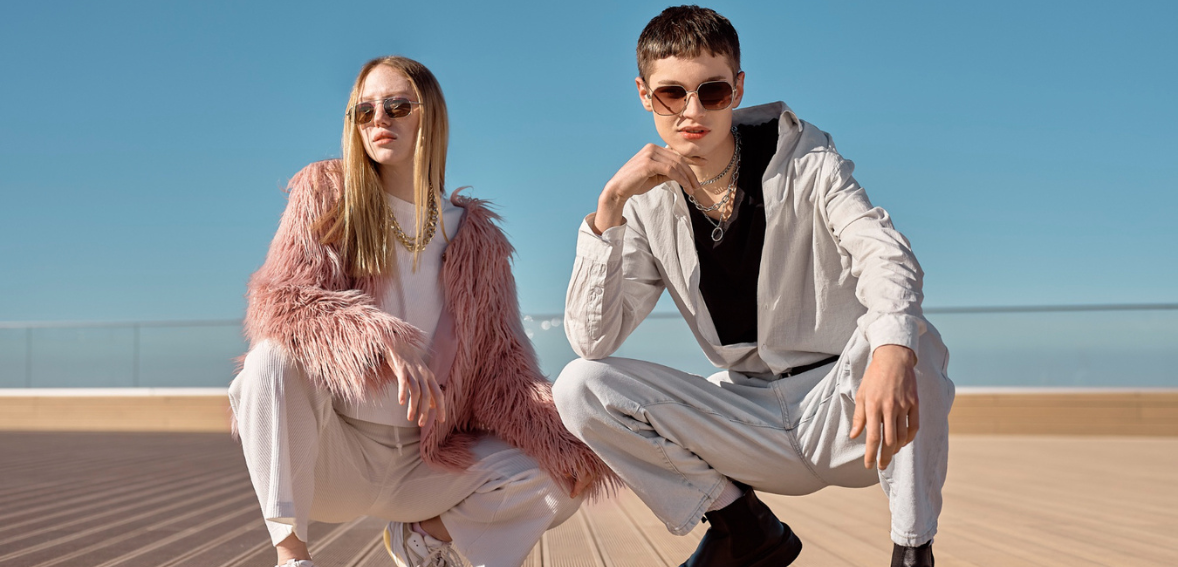
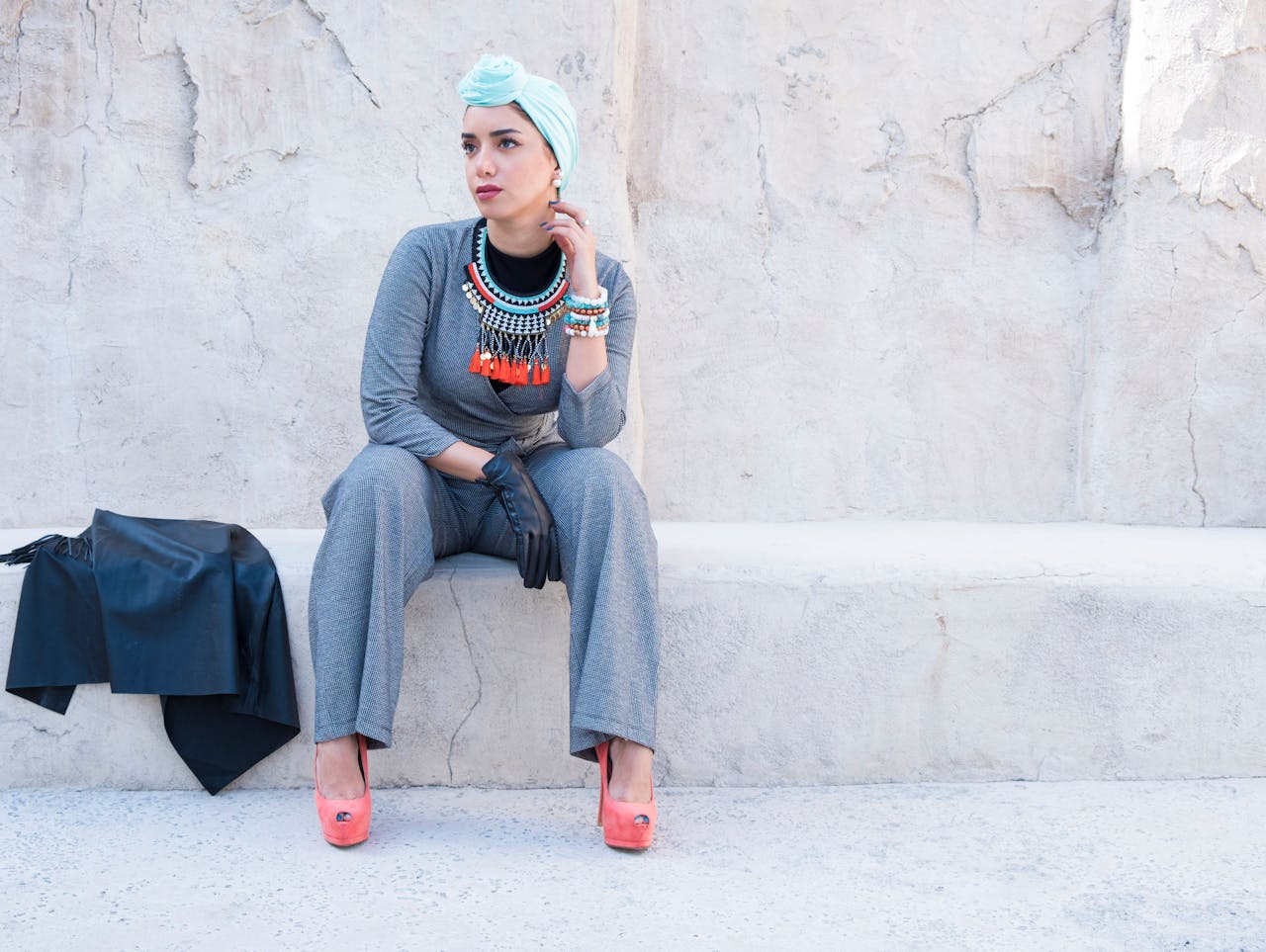
Fashion has long been a potent tool for societal change, cultural representation, and self-expression. The industry has undergone a substantial transformation in recent decades, primarily due to the growing interconnectedness of cultures. This phenomenon, which is sometimes called “fusion fashion,” is the result of combining various cultural elements to create distinctive hybrid styles that go beyond the bounds of conventional fashion. From the busy streets of Tokyo to the Parisian runways, multicultural design has emerged as a key feature of contemporary fashion.
As globalization continues to shape consumer preferences and industry trends, cross-cultural fusion has led to a harmonious fusion of textiles, patterns, and aesthetics.
The Historical Roots of Fusion Fashion
Fashion has never been confined to a single culture or region. Over centuries, it has evolved through interactions, trade, and artistic inspiration across borders. As people traveled, settled in new lands, or engaged in commerce, they brought with them their distinct styles, which were embraced, adapted, and transformed into new hybrid forms. This continuous evolution laid the groundwork for modern fusion fashion, where diverse cultural elements blend seamlessly into contemporary design.
Ancient Influences on Cross-Cultural Fashion
Cross-cultural fusion in fashion is not a recent phenomenon. Throughout history, civilizations have exchanged fabrics, dyes, and embroidery techniques through trade and conquest. The Silk Road, which connected Asia, the Middle East, and Europe, played a crucial role in this exchange. Chinese silk, Indian cotton, and Persian embroidery found their way into European garments, influencing both royal and everyday attire.
Throughout the colonial era, European powers adopted local styles while also bringing their own fashion sensibilities to the areas they controlled. For instance, the bandhgala, a combination of Indian traditional clothing and Western tailoring, was made popular by British soldiers stationed in India in the 19th century and is still a mainstay of contemporary men’s fashion.
20th Century: The Birth of Hybrid Fashion
The 20th century saw an acceleration in the fusion of global fashion. In the 1960s and 70s, the hippie movement embraced bohemian styles inspired by Indian and African textiles. Designers like Yves Saint Laurent incorporated Moroccan motifs into their collections, creating a globalized aesthetic that continues to influence fashion today.
By the late 20th century, designers such as Issey Miyake and Jean Paul Gaultier were experimenting with multicultural designs, merging Eastern and Western silhouettes to create avant-garde ensembles. This period laid the foundation for the global influence that defines today’s fashion landscape.
The Rise of Multicultural Design in Contemporary Fashion
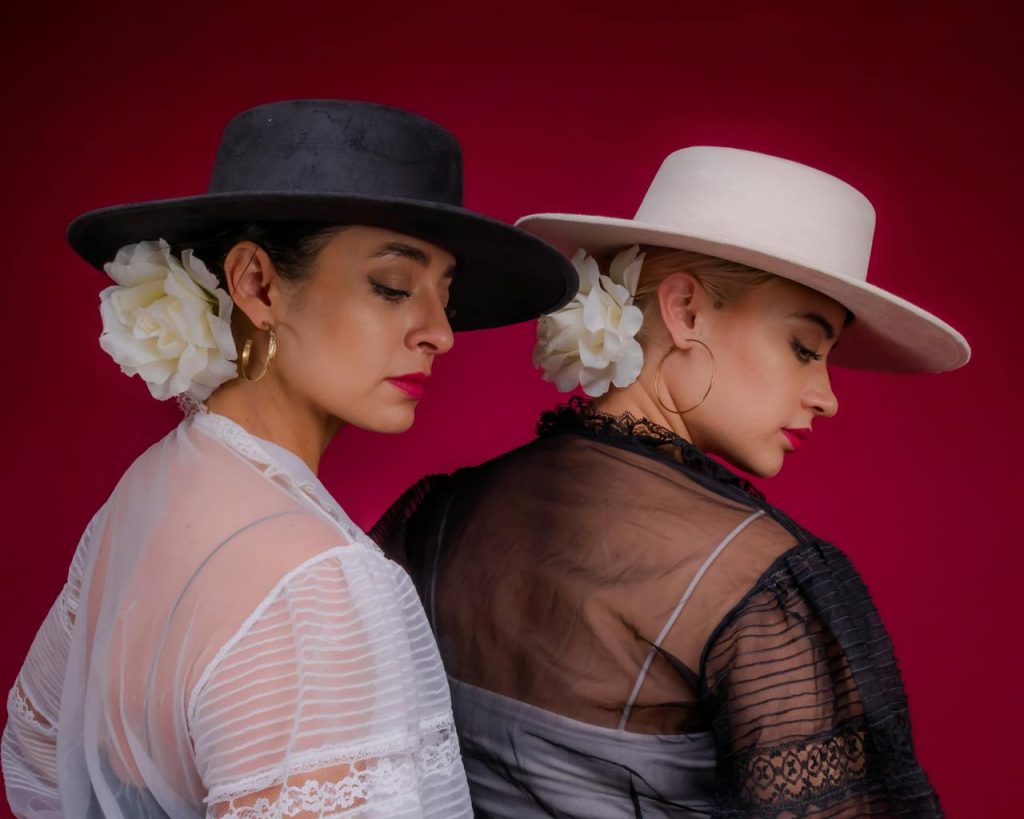
The increasing globalization of the fashion industry has allowed diverse cultural aesthetics to merge, creating dynamic and innovative designs. Today, designers are drawing inspiration from various cultures, combining traditional craftsmanship with modern trends to cater to a more interconnected world. This evolution reflects not only a shift in fashion but also a growing appreciation for diversity and inclusivity in the industry.
The Role of Globalization and Social Media
The advent of the internet and social media has accelerated cultural exchange in fashion. Platforms like Instagram and TikTok allow designers and influencers to showcase styles from different parts of the world, leading to a greater appreciation of diverse aesthetics. Traditional garments such as the kimono, qipao, and kaftan are no longer confined to their countries of origin but are reimagined in modern fashion collections.
Multiculturalism has also been embraced by luxury brands. For example, Dior has taken inspiration from Indian embroidery techniques, while Gucci has integrated African prints into its luxury designs. Customers’ desire for distinctive, meaningful fashion items is reflected in this change, which also reflects a growing demand for authenticity and craftsmanship.
Celebrity Endorsement and Pop Culture Influence
Celebrities play a pivotal role in the popularity of fusion fashion. Stars like Rihanna, Beyoncé, and Priyanka Chopra frequently wear outfits that blend elements from different cultures, sparking global trends. The rise of K-pop and Bollywood on the international stage has also contributed to the increasing visibility of Asian-inspired designs in Western fashion.
Fashion collaborations between Eastern and Western brands further highlight the blending of cultures. For example, Louis Vuitton’s partnership with Japanese artist Yayoi Kusama brought a distinctive fusion of Western luxury and Japanese artistry, reinforcing the power of multicultural design.
Key Elements of Hybrid Fashion
Hybrid fashion is a testament to the beauty of cultural fusion, where traditional elements blend seamlessly with modern aesthetics. By embracing a mix of global influences, designers create pieces that reflect the diversity of the world. These elements not only make fashion more inclusive but also tell stories of cultural heritage and artistic ingenuity.
Fabrics and Textiles
One of the most notable aspects of hybrid fashion is the use of diverse fabrics. African wax prints, Indian brocades, and Japanese silks are now commonly found in global fashion collections. These textiles not only add richness to designs but also highlight the craftsmanship of different cultures.
Silhouettes and Styles
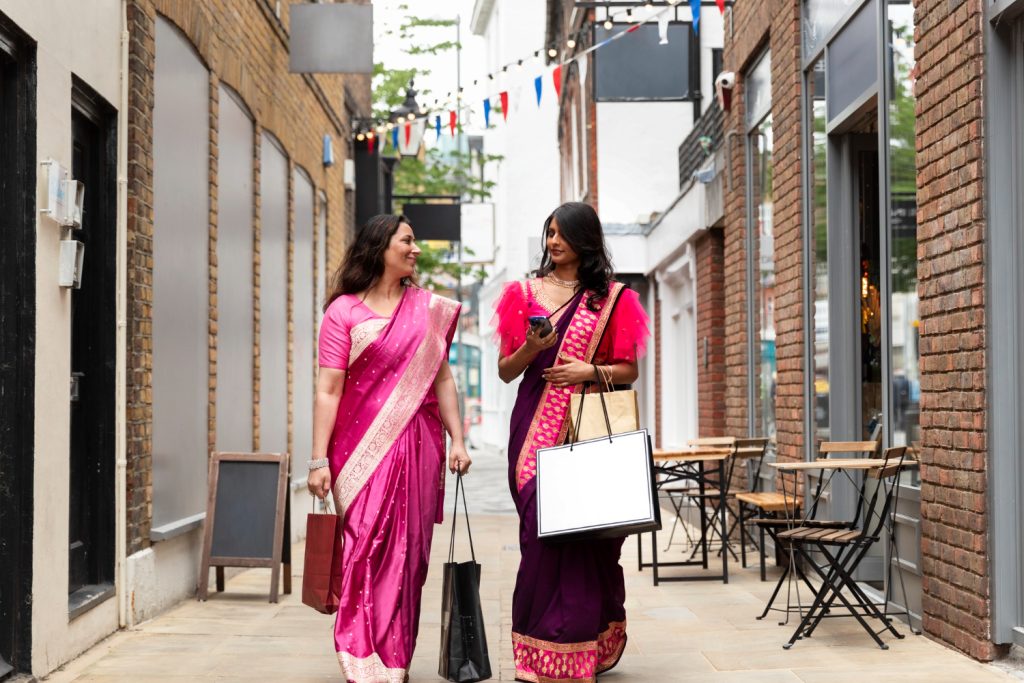
Designers often combine modern cuts with classic silhouettes to produce one-of-a-kind clothing. The sari-gown, for example, blends the sophistication of an Indian sari with the functionality of a Western evening gown. Bomber jackets with elaborate embroidery from Middle Eastern customs have also gained popularity and become a mainstay of streetwear.
Accessories and Embellishments
Accessories play a crucial role in fusion fashion. Statement pieces such as Turkish evil eye jewelry, Indian jhumkas, and Maasai beaded necklaces add cultural depth to modern outfits. Embellishments like intricate beading, mirror work, and hand-painted motifs further enhance the cross-cultural appeal of fashion.
The Cultural and Ethical Considerations of Fusion Fashion
Cultural fusion in fashion has brought immense creative opportunities, allowing designers to push boundaries and experiment with diverse styles. However, this blending of traditions also calls for thoughtful engagement with cultural heritage. Understanding the history and significance of different fashion elements is crucial to ensuring that cultural expressions are honored rather than exploited. When done respectfully, fusion fashion can serve as a bridge that fosters deeper cross-cultural appreciation and dialogue.
The Fine Line Between Appreciation and Appropriation
While multicultural design celebrates diversity, it also raises concerns about cultural appropriation. When fashion brands use traditional garments or motifs without understanding their cultural significance, it can lead to controversy. For example, Victoria’s Secret faced backlash for using Native American headdresses as mere fashion accessories.
Many designers now work with craftspeople from the cultures they are inspired by in order to overcome this, guaranteeing ethical sourcing and fair representation. Companies like Ethical Fashion Initiative and Stella McCartney collaborate closely with artisans in underdeveloped nations to promote ethical fashion while preserving traditional methods.
Supporting Local Artisans and Sustainable Fashion
The rise of hybrid fashion has also increased awareness about sustainable and ethical practices. Many brands now prioritize fair trade, using locally sourced materials and supporting indigenous craftsmanship. This approach not only fosters cultural exchange but also promotes environmental sustainability in an industry known for its high carbon footprint.
The Future of Fusion Fashion
As the fashion industry continues to evolve, fusion fashion is expected to gain even more prominence. With increasing cross-border collaborations and the rise of digital platforms, designers are no longer confined to regional influences but can integrate styles from across the globe. This interconnectedness is fostering an era where traditional attire is reimagined in modern contexts, allowing for greater cultural appreciation and innovation.
Technological Innovations in Cross-Cultural Design
Advancements in technology are set to further revolutionize fusion fashion. 3D printing, AI-driven design, and digital textiles allow designers to experiment with multicultural patterns in new and exciting ways. Virtual fashion shows and AR are also making global fashion more accessible to audiences worldwide.
The Impact of Cultural Diversity in Fashion Education
Students are being encouraged to explore multicultural design by fashion schools’ growing integration of global studies into their curricula. The next generation of designers will embrace inclusivity and innovation because of the courses on cross-cultural influences offered by institutions like Central Saint Martins and Parsons School of Design.
Consumer Demand for Authenticity
Today’s consumers are more conscious than ever about the origins of their clothing. There is a growing demand for transparency, craftsmanship, and cultural respect in fashion. As a result, designers who genuinely honor and collaborate with diverse communities are gaining more recognition.
Conclusion
The rise of fusion fashion is a testament to the power of cultural exchange in shaping global aesthetics. As designers and consumers embrace the beauty of multicultural design, fashion becomes more than just clothing—it becomes a celebration of heritage, diversity, and creativity.
Even though issues like sustainability and cultural appropriation still exist, the sector is progressing toward a more moral and inclusive future. With the help of technology, teamwork, and education, hybrid fashion will keep developing, breaking down boundaries and redefining international style.
In a world where borders are becoming increasingly fluid, fashion remains a universal language that connects us all. Whether through traditional craftsmanship or cutting-edge innovation, the fusion of cultures in fashion is here to stay, enriching the industry and inspiring generations to come.