




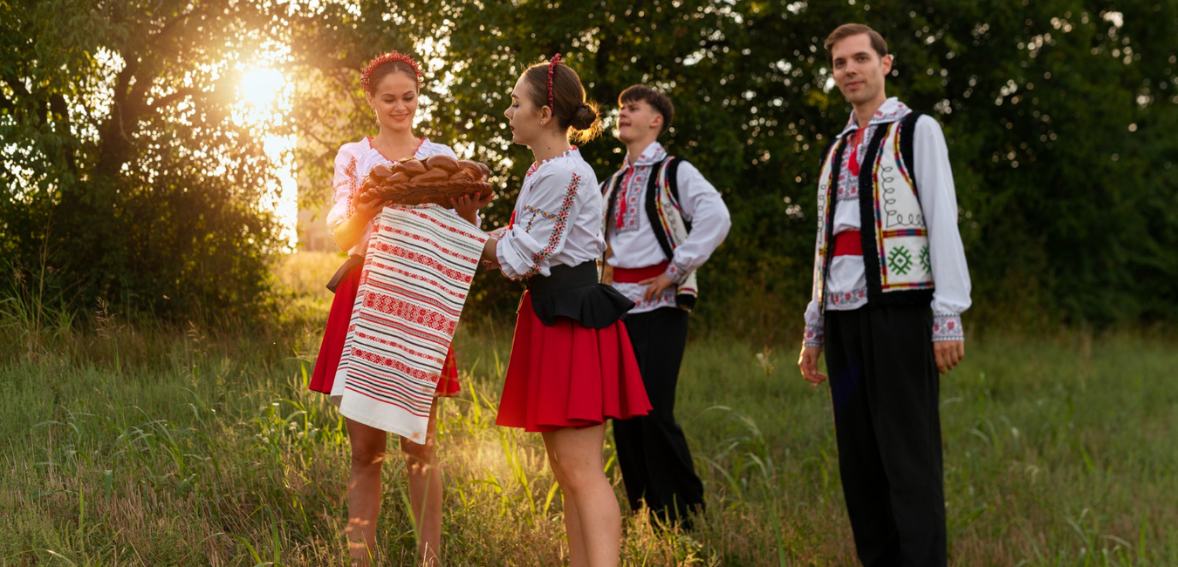






Colonialism’s Threads: How Historical Influences Still Dictate Fashion Today
Fashion has always been a mirror of history, reflecting the socio-political, economic, and cultural shifts that shape societies. Among the most enduring influences on global fashion is colonialism, an era that reshaped entire cultures and economies. While colonial empires may have faded into history, their impact lingers in the fabrics, silhouettes, and aesthetics of contemporary style.
The Origins of Colonial Fashion
Fashion and history are closely related, and colonial rule had a significant impact on how people dressed in both colonizing and colonized societies. A hybrid fashion culture was produced by combining European influences with indigenous styles, and this culture is still evident in modern designs. This section explores how fashion changed in different parts of the world due to colonial expansion, which had a lasting effect that went well beyond the colonial era.
European Expansion and Textile Trade
Colonialism was not just about political control; it was also about economic domination, particularly in the textile and garment industries. European powers such as Britain, France, Spain, and Portugal sought to exploit the textile traditions of their colonies, incorporating indigenous styles, fabrics, and techniques into their own fashion. The 18th and 19th centuries saw the rise of luxurious materials like Indian muslin, Chinese silk, and African indigo-dyed textiles, all of which were coveted by European elites.
The Influence of Dress Codes
Both colonizers and colonized were subject to dress codes enforced by colonial administrations. While indigenous clothing was frequently suppressed or altered to conform to colonial tastes, Western-style suits, military uniforms, and aristocratic gowns came to represent power and control. As a result, the hierarchy of power was reflected in colonial fashion, which governed how people dressed over large areas.
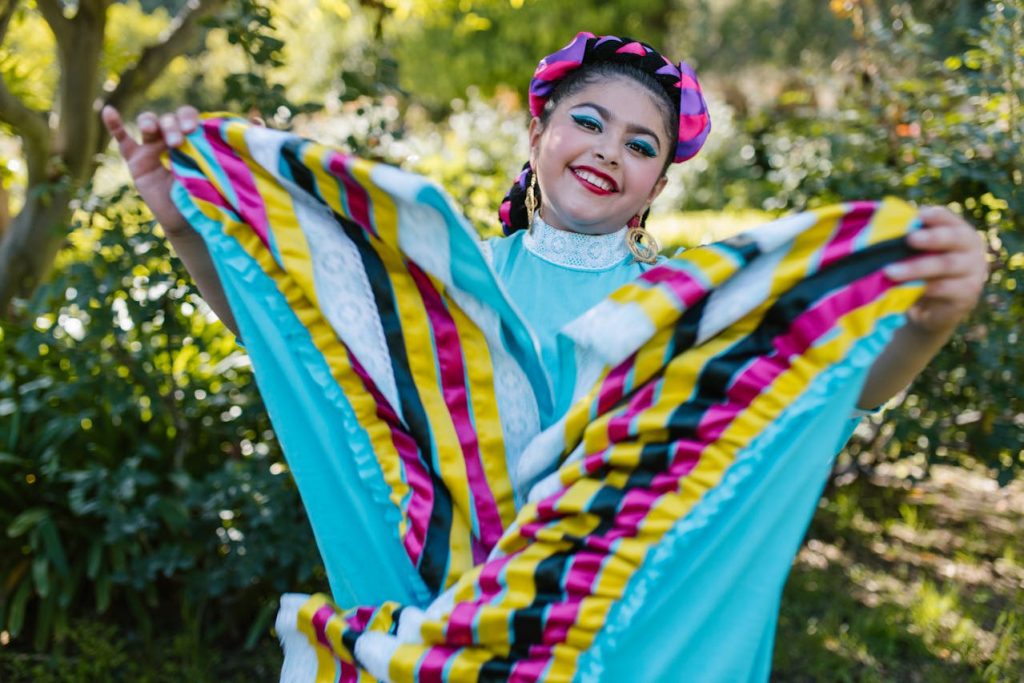
Post-Colonial Influence on Modern Fashion
The impact of colonial rule did not disappear with the end of imperial governance; rather, it left a lasting imprint on fashion that continues to evolve in post-colonial societies. The blending of traditional and Western styles in contemporary clothing reflects a complex relationship between heritage and modernity. Designers and fashion enthusiasts alike navigate this legacy, often finding ways to redefine and reclaim cultural aesthetics while adapting to global trends.
Traditional Attire in Contemporary Styles
As a result of colonial influence, many former colonies still wore clothing with Western influences after getting independence. But there has also been a post-colonial influence, as communities and designers have reclaimed indigenous craftsmanship, embroidery, and textiles in contemporary ways. Indigenous weaves, South Asian embroidery, and African prints are now embraced as components of national identity while also leaving their mark on international fashion shows.
Colonial Silhouettes in Everyday Wear
Certain silhouettes, such as the Victorian corset, military-style jackets, and safari suits, have a direct lineage to colonial fashion. These styles, once reserved for colonial officers and aristocrats, have now been reinterpreted into everyday fashion, sometimes without acknowledgment of their historical context.
Cultural Appropriation vs. Appreciation
Fashion is an evolving expression of culture, yet it often borrows from histories that are not its own. While cross-cultural influences have existed for centuries, the way in which colonial-era dress has been adopted and reinterpreted today raises questions about ethical responsibility and respect. Understanding the difference between genuine appreciation and harmful appropriation is essential in fostering a more inclusive and aware fashion industry.
When Fashion Borrows Without Acknowledgment
Colonial fashion’s legacy of cultural appropriation is among its most contentious features. Without giving due credit, a lot of designers and companies have borrowed ideas from post-colonial and indigenous styles. Traditional clothing that once represented cultural pride or resistance is now often reduced to purely fashionable items, which raises ethical concerns.
The Fine Line Between Inspiration and Exploitation
While appreciation involves respectful collaboration and acknowledgment, cultural appropriation happens when fashion brands profit from styles without engaging with the cultures they originate from. The commercialization of elements such as the Indian sari, the Mexican huipil, or Native American headdresses by high fashion brands exemplifies this ongoing issue.
Historical Dress and the Power Dynamics in Fashion
Fashion has long been intertwined with systems of power, reflecting societal hierarchies and reinforcing authority. The colonial era solidified this relationship, using dress as a tool for both oppression and identity assertion. Clothing was not only a marker of class and status but also a visual representation of colonial rule. The influence of these historical power dynamics remains evident in modern fashion, where remnants of colonial-era dress codes still dictate professional and formal attire.
Clothing as a Symbol of Authority
Authority has been established through fashion throughout history. As a sign of submission, native populations were frequently forced to wear Western clothing, while colonial officers wore distinctive uniforms to demonstrate their dominance. A Western standard of professionalism is still reflected in business attire like suits and ties, highlighting the power dynamics that have been carried over from the colonial era.
The Enduring Legacy of Colonial-Era Dress Codes
The impact of colonial dress codes persists, particularly in former colonies where Western-style suits and formal dresses are considered appropriate for work and ceremonial occasions. Traditional garments are often relegated to cultural events, highlighting the colonial legacy of defining what is considered “modern” or “appropriate.”
Resistance and Reclamation in Fashion
The evolution of fashion in post-colonial societies is not just about adaptation but also about reclaiming identities that were once suppressed. Through the resurgence of indigenous craftsmanship, designers are rewriting narratives that celebrate rather than erase cultural heritage. This reclamation is a form of resistance against the homogenization of fashion imposed by colonial histories.
The Rise of Indigenous and Post-Colonial Designers
Indigenous textiles, motifs, and techniques are being incorporated into contemporary fashion by an increasing number of designers from former colonies, who are reclaiming their heritage. By embracing their traditional aesthetics, designers from South Asia, Africa, and Latin America are challenging Eurocentric notions of beauty and fashion.
The Role of Sustainable and Ethical Fashion
The movement toward sustainable fashion is also challenging colonial-era exploitation in textile production. Historically, colonies provided raw materials while European powers controlled manufacturing and profits. Today, ethical brands emphasize fair wages, local craftsmanship, and sustainability, thereby dismantling exploitative systems rooted in colonial history.
The Globalization of Colonial Fashion
The spread of colonial fashion influences across the world has led to an intertwined relationship between history and modern trends. While many elements of colonial dress have been absorbed into mainstream fashion, the origins of these styles often go unacknowledged. As a result, contemporary fashion reflects a blend of cultural exchange, power dynamics, and economic interests that continue to shape global trends today.
The Western Standard of Beauty and Style
With European features, textiles, and styles dominating international fashion trends, colonial fashion has contributed to a Western-centric ideal of beauty. Lighter skin, Eurocentric fashion, and Western-style formality are still deeply embedded as aspirational, even across cultural boundaries.
Fashion Capitals and Their Colonial Pasts
The dominance of Paris, Milan, London, and New York as global fashion capitals is not coincidental. These cities flourished during colonial times, accumulating wealth and cultural capital that enabled them to dictate global fashion trends. Meanwhile, fashion hubs in former colonies are still fighting for equal representation on the world stage.
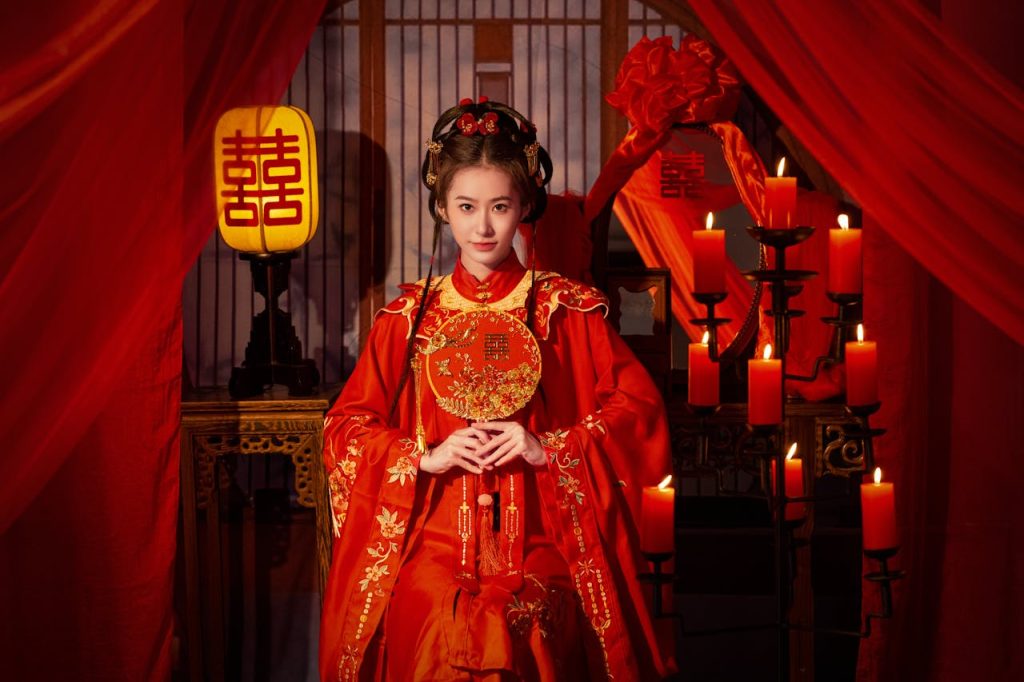
Moving Beyond Colonial Influences in Fashion
The conversation around decolonizing fashion is gaining momentum, pushing for a more conscious and respectful approach to design. By recognizing how historical power imbalances shaped fashion, industry leaders and consumers alike can work toward a system that values cultural heritage rather than exploits it. From supporting local artisans to challenging outdated beauty standards, the future of fashion depends on inclusivity and acknowledgment of the past.
Embracing Cultural Diversity in Design
Greater inclusivity and a focus on acknowledging and appreciating various cultural influences are essential for the future of fashion. In order to ensure that their work is acknowledged and fairly compensated, designers are increasingly working with artisans from underrepresented communities.
A More Equitable Fashion Industry
To move beyond colonial legacies, the fashion industry must support independent designers from former colonies, promote ethical sourcing, and challenge Eurocentric standards. Education about colonial influences in fashion can also encourage consumers to make informed choices about the brands they support.
Conclusion
The influence of colonialism on fashion is clear, affecting aspects such as fabrics, shapes, and the dynamics of industry power. Although post-colonial impact has facilitated a degree of reclamation and reinterpretation of historical garments, issues such as cultural appropriation and ongoing power dynamics continue to exist. As the fashion industry evolves, it has the opportunity to move toward a more inclusive and ethical future that acknowledges its past while celebrating a truly diverse global heritage. By recognizing the threads of colonial history woven into our clothing, we can foster a more respectful and representative fashion landscape.